


Mental health is a major concern for retailers today. With crime and violence in retail on the rise, retail employees may be more likely than ever to suffer from PTSD or other mental health issues as a result of events they witness in the workplace.
“Retail associates are on the front lines dealing with customers who are sometimes angry or abusive,” says Kevin Darnell, senior business development manager at Hanwha Vision Americas. “This can be extremely stressful and upsetting, leading to anxiety, depression and even PTSD.”
Darnell points to a confluence of factors that could be creating a perfect storm for mental health issues in retail.
- Increased violence: Retail employees are faced with aggressive or violent customers more than ever before. These incidents can be extremely traumatic, and the constant threat of violence can lead to hypervigilance and anxiety, symptoms commonly seen in PTSD.
- Stressful work environment: Staffing shortages, high turnover, and long working hours combine to create a chronically stressful work environment. This constant pressure can lead to mental exhaustion, a key factor in the development of PTSD.
- Repeated exposure to traumatic events: Even if not every interaction is violent, constantly dealing with angry or abusive customers can take a toll. Repeated experiences like these can lead to cumulative trauma, another factor that can lead to PTSD.
“We’re seeing more and more retail employees coming forward with PTSD,” says Jason Swanson, a new addition to Hanwha’s business development team who has worked in loss prevention for decades. “Workplace violence is a huge challenge and a scary thing. It’s a problem that everyone is aware of, and Hanwha is aware of it too. We’re here to help provide solutions to make it better for everyone. Traditionally, people think of the solutions that companies like Hanwha provide as security measures or catching bad guys, but they’re actually holistic solutions that make business better, and part of making business better is making sure that employees feel safe and that they can provide great service to customers.”
Hanwha Vision has combined a number of IP surveillance technologies with artificial intelligence to reduce the pressure and stress on store employees. Retail store employees already have enough administrative work without having to respond to every detected incident. Combining AI with video surveillance systems Addresses the growing need for more accurate AI-based detection of people, objects and vehicles, reducing false alarms and enabling more effective and precise forensic search results.
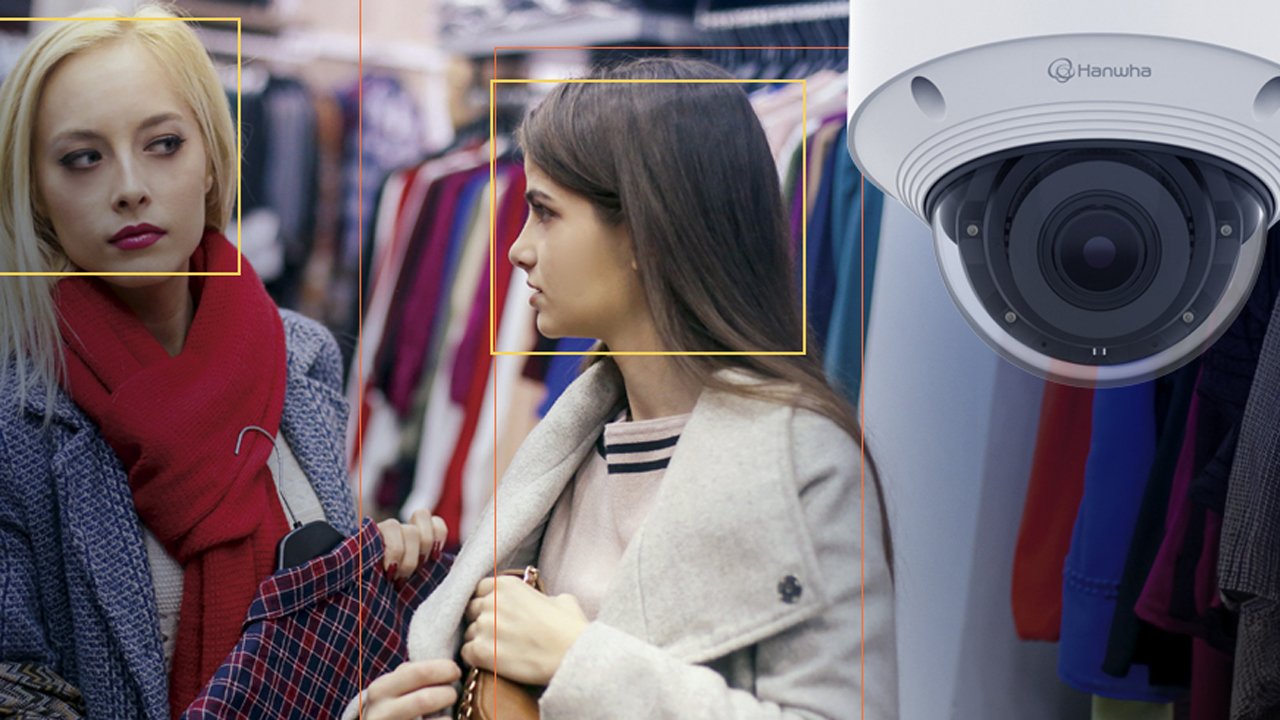
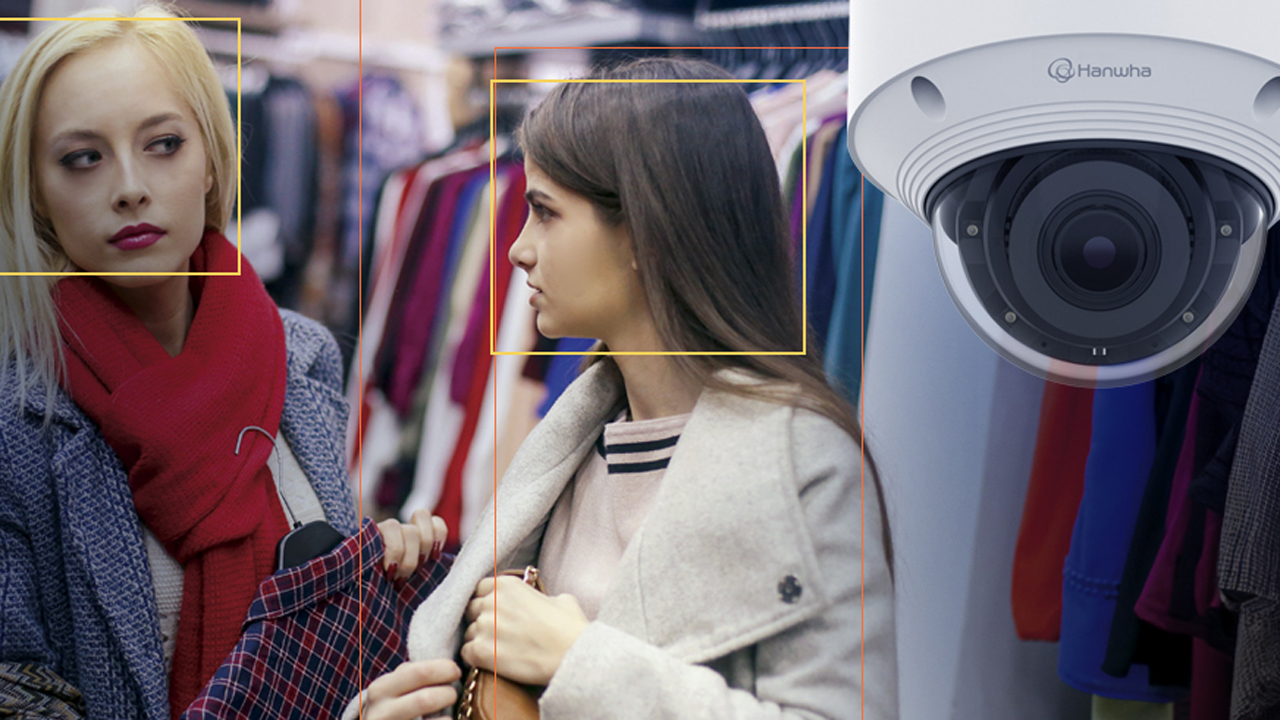
Hanwha also offers cameras with built-in white LED lights that, combined with advanced AI analytics, provide highly accurate detection of objects, vehicles and people. The white lights not only provide a brighter and safer environment, but also act as a deterrent by shining a bright light on any wandering persons or suspicious activity in progress.
Hanwha also offers IP-based audio systems that can be linked with a store’s video surveillance system to broadcast real-time or pre-recorded messages to proactively address suspicious or criminal activity. For example, the surveillance system can detect if a person is getting too close to other customers and issue an audio warning to maintain an appropriate distance. In perimeter or perimeter monitoring applications, an audio warning can be issued if a possible intrusion is detected or if the system senses human activity that may violate the perimeter.
In retail stores, IP audio systems can help prevent theft, for example, by using “dwell time triggers” that can detect individuals lingering in a retail space for a suspiciously long period of time, indicating a possible shoplifter. The system can broadcast an audio alert instructing a sales associate to call for help, thus clearly communicating to potential shoplifters that their actions are being monitored.
“I was an LP operator, and I’m back with a very common sense approach,” Darnell says. “Why is mental health important? First, we want our employees to have a happy, positive work environment and we want to bring that into customer service. If everyone is struggling mentally, the business won’t thrive. We want to make sure productivity and customer service are good, but most importantly, our job is to protect the assets of the company, and our No. 1 assets are our employees, our customers, our shareholders, and our community. We want to protect our employees. We want to provide them with a safe and enjoyable environment.”
“Hanwha can help provide resources to retailers so they can shop with confidence,” Swanson added.
Hanwha’s business development team is made up of experts across industries, and after hearing retailers’ concerns about mental health, they have helped create analysis to help stores address the issue.
And they want to know more. If there’s insights retailers are looking for that Hanwha doesn’t currently provide, Hanwha is committed to helping them solve their problems and creating solutions that really work.
“At Hanwha, we don’t have the answers to mental health issues, but we want to be able to provide a mechanism to help ease retailers’ anxieties. Having cameras in stores creates a deterrent to reassure people and let them know the company is doing something for them,” Darnell added. “All vendors are helping in some way, whether they know it or not, because we’re providing tools to prevent this from happening in the first place. Solution providers need to understand the situation and think carefully in developing and creating products to prevent bad things from happening, because employees are already going through enough pain.”
To learn more about how Hanwha can help you, visit hanwhavisionamerica.com
