

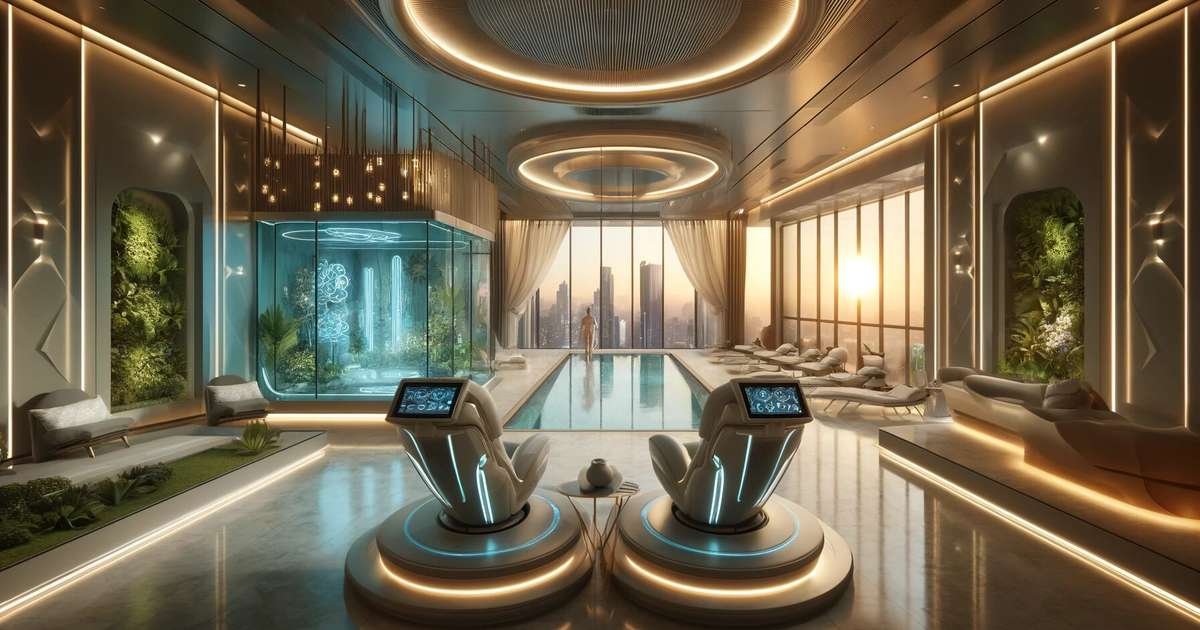
Wellness hospitality is not a trend
It is a new benchmark for lifestyle, leisure, wellness and premium hospitality. This article explores the growing employee tensions in the hospitality market, especially the aspirations of service workers and providers in the spa and wellness sector. A new generation of hospitality is coming of age amidst major organizational change on a global scale. This article explores the key pressure points and accelerating challenges this market currently faces. It also explores actionable solutions, untapped tactics and nuances that can help drive change in this vital hospitality personal care sector.
Increased retention and resilience
Talent retention has long been a challenge across the hospitality industry. The market has experienced fantastic new growth, with new vertical and horizontal movements and unique opportunities galore. This diversity and dynamism has enriched the industry and made it what it is today. Traditional talent retention is a two-sided issue. Long-term employment, once the golden rule of career and life, is often accompanied by an outdated and slow-to-change workplace culture, creating the risk of professional stagnation. On the other hand, short hiring cycles of turnover are costly and create a series of other operational and guest issues.
The spa and wellness hospitality sector is experiencing strong growth, accompanied by record annual performance year over year and a widespread hunger for pipeline growth and program expansion. While these are positive developments for both hospitality and the growth of the spa and wellness industry within it, recent years have seen notable shifts across leisure, tourism, meetings and groups, and guest demand markers.
Fast forward to today, and a new era of wellness hospitality has emerged before our eyes, with a new generation of workforce coming of age in a time of great unknowns. The ease of finding, hiring, training and retaining new talent has become a global challenge. As the hospitality market grows, so must its practices and standards. Expanding business standards around retention and resilience is part of this.
“As the hospitality market grows, its practices and standards must grow too. Broadening business standards around sustainability and resilience is part of this.”
Employee Structure
We live in the midst of new and rapid market changes that are true for almost everything. HR is essential in facilitating and differentiating between great and disappointing employee experiences. Its function is crucial for employee management. HR enables care and systematic success within the company.
As key employee benefits and external organizational factors begin to change broadly, the structure of the systems within these departmental structures will also need to change significantly. These changes could relate to insurance types and health and medical programs. These will be reflected in a new set of compensation benefits that are more appropriate for the company and more personalized for employees. With rising insurance premiums and changing investment preferences, the benefits of doing this for companies will become increasingly clear. In addition to traditional workplace wellness programs, we expect prevention and employee wellness to become increasingly important.
As we can see, spa and wellness employment rose before declining in 2021. Since then, employee engagement has recovered, approaching 2019 staffing levels. Overall, these workforce metrics appear adequate as demand for these offerings has increased significantly and the number of employees returning to work has also increased, meaning a return to normalcy is on the horizon. Meanwhile, the integration of spa and wellness programs and services has improved and expanded significantly compared to 2019 program offerings. That said, staffing levels are still highly inadequate and in many cases are not enough to meet the current demands of the market.


Support Systems and Talent Ecosystem
For excellence to exist in any workforce, curiosity and a new generation of talent must persist. The importance of establishing and nurturing the support systems required to nurture this talent needs to be radically increased, not incrementally. The wellness hospitality sector is set to see significant growth in the coming years. Establishing a new framework for employee compensation, incentives and benefits packages is crucial.
As the spa and wellness market continues to grow at a rapid pace, building a thriving talent ecosystem can be challenging for a variety of reasons, with the typical “who,” “what,” and “how” thought process often applying.
Who
This is an industry-wide responsibility, including professional spa and wellness industry associations, hotel and resort companies, individuals passionate about cultivating the next generation of service, as well as human resources management, professional and trade advocacy groups, spa, wellness and travel enthusiasts, and anyone interested in building stronger, more vibrant wellness hospitality career programs.
what
Motivating the younger generation by attending career fairs and raising interest in the industry early in high schools and vocational schools are obvious ways to do this. This paves the way for curiosity and learning that can lead to internships and mentorship programs later on. Opening the way for interested and talented people to understand the different options available to them across the industry is often under-discussed and under-explored.
how
We all know that great relationship building is the foundation of the hospitality industry. Creating the right mix of engagement incentives, continuing education, and vertical relationship building opportunities can be challenging. But building stronger, more effective outreach programs can be highly effective and is much needed.
leadership
After all, service and personal care services contain a core value of helping people, which means different things to different people. Moreover, it is driven by helping people live better, travel comfortably, and feel cared for. A well-thought-out guest experience is the DNA of hospitality. This is shared with guests through beautiful experiences that uplift and inspire them through various offerings during their stay. Applying some of the same principles to emerging talent pools can go a long way in fostering a new, more satisfying employee experience and an inspired workforce.
Leaning into a strong leadership development program is another way to strengthen the company and employee fabric. Alain Leo Landry, president and co-founder of WellnessConsience, says, “To provide memorable experiences for customers, collective intelligence within a company becomes essential and individuals (customers and employees) must be placed at the center of strategic thinking. Establishing a human-centered think tank in a psychologically safe culture led by one or more mindful leaders is a guarantee of success. Fostering collective intelligence improves the circulation of ideas, solves complex situations and problems, and increases multiple learning, motivation, commitment, and a sense of belonging.”
In many ways, now is the time for more innovation from the top. Building new systems in any company requires vision, courage, and resourcefulness. Corporate culture has changed dramatically from what it was in the past. We often see sentiment on social media about people’s love for their community and coworkers. Work relationships often become a second family. Leading by example with self-awareness and empathy spreads goodwill throughout the team and instills values of high integrity. These are powerful management attributes that inspire others. These traits also motivate an up-and-coming generation of employees to build meaningful relationships and find joy in doing great business.
Conflict between economy and lifestyle
In addition to broader employment issues, recent issues such as inflation, workplace insecurity and rising costs of living play a bigger role than ever before. Depending on a company’s location, this can limit access to both the quality and quantity of potential employees. A variety of factors are driving companies to consider creating and implementing employee housing options to help alleviate some of these ongoing staffing challenges.
For many people, the way they think about work and lifestyle values has changed dramatically. More people are willing and interested in combining travel with work. Unlocking the value of mobility for seasonal and contingent employees creates a range of opportunities that extend far beyond seasonal or short-term employment cycles.
Technology adoption
As technological thrust continues to grow, there are undeniable benefits to the best and optimal integration of new technologies and AI applications. These technologies will undoubtedly impact multiple areas related to staffing and employee benefit packages. They will also significantly improve employee engagement and operational capabilities.
Today, it’s important to stay ahead of the curve and stay on top of what’s happening and how it will impact your business overall. This concerns everything from your supply chain and materials to your employees and guests. I often say, “Be a lighthouse.” People need lighthouses. I explore these ideas in more detail in my article, “Choices and Senses for Stability and Growth through 2026.”
Final thoughts
People have experienced many hardships in recent years. The need to creatively reinvent employment structures is essential to successful transformation in the coming years. Wellness hospitality is far-reaching. Your willingness to tackle and embrace these changes with genuine effort will make the difference between building a great employee ecosystem or failing. These adjustments require a shift in perspective and the courage to implement vibrant new employee systems. Developing these with clear goals and meaningful intentions will support the agility your workforce needs to work and sustain.
