

MCCC
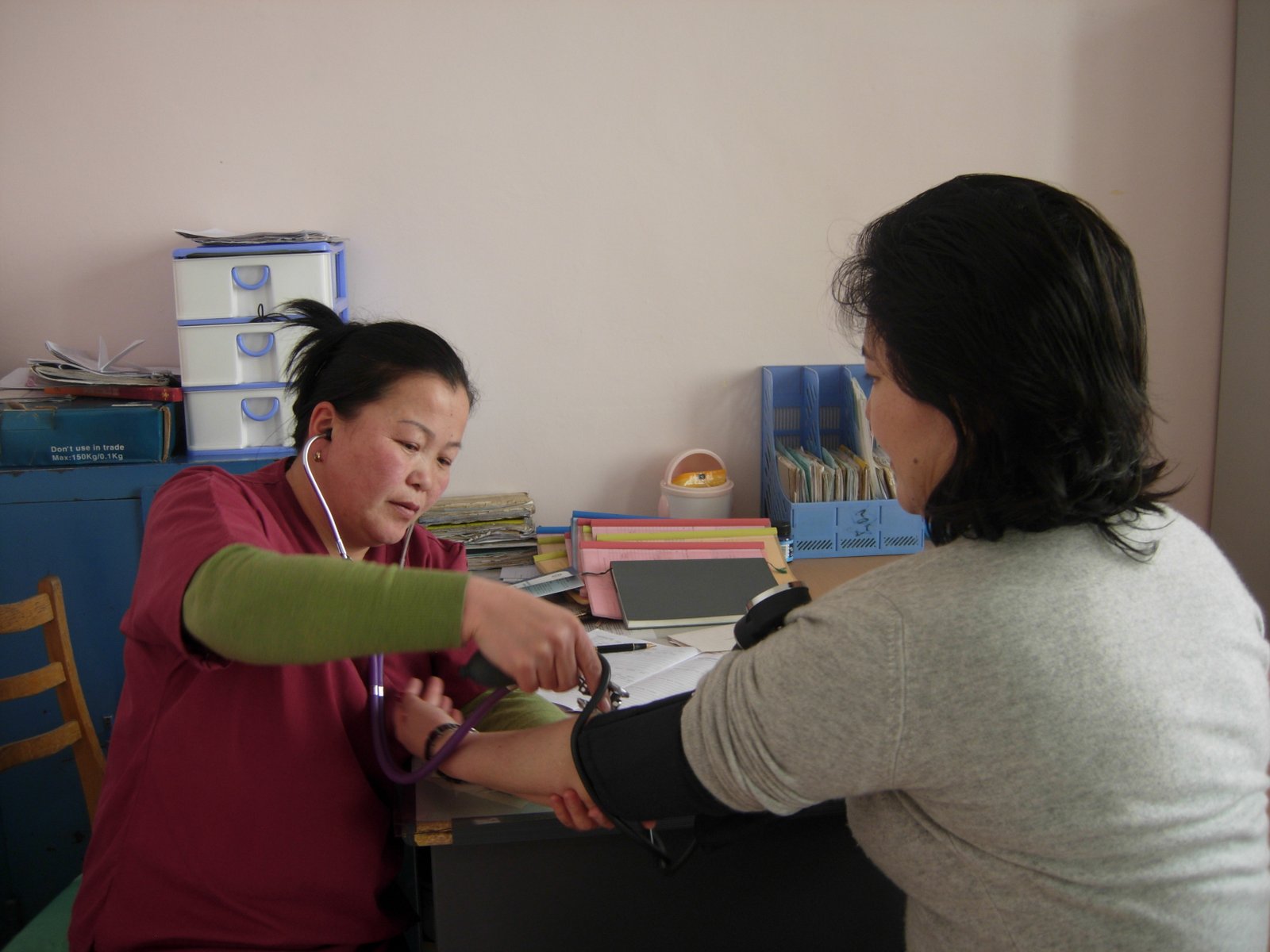
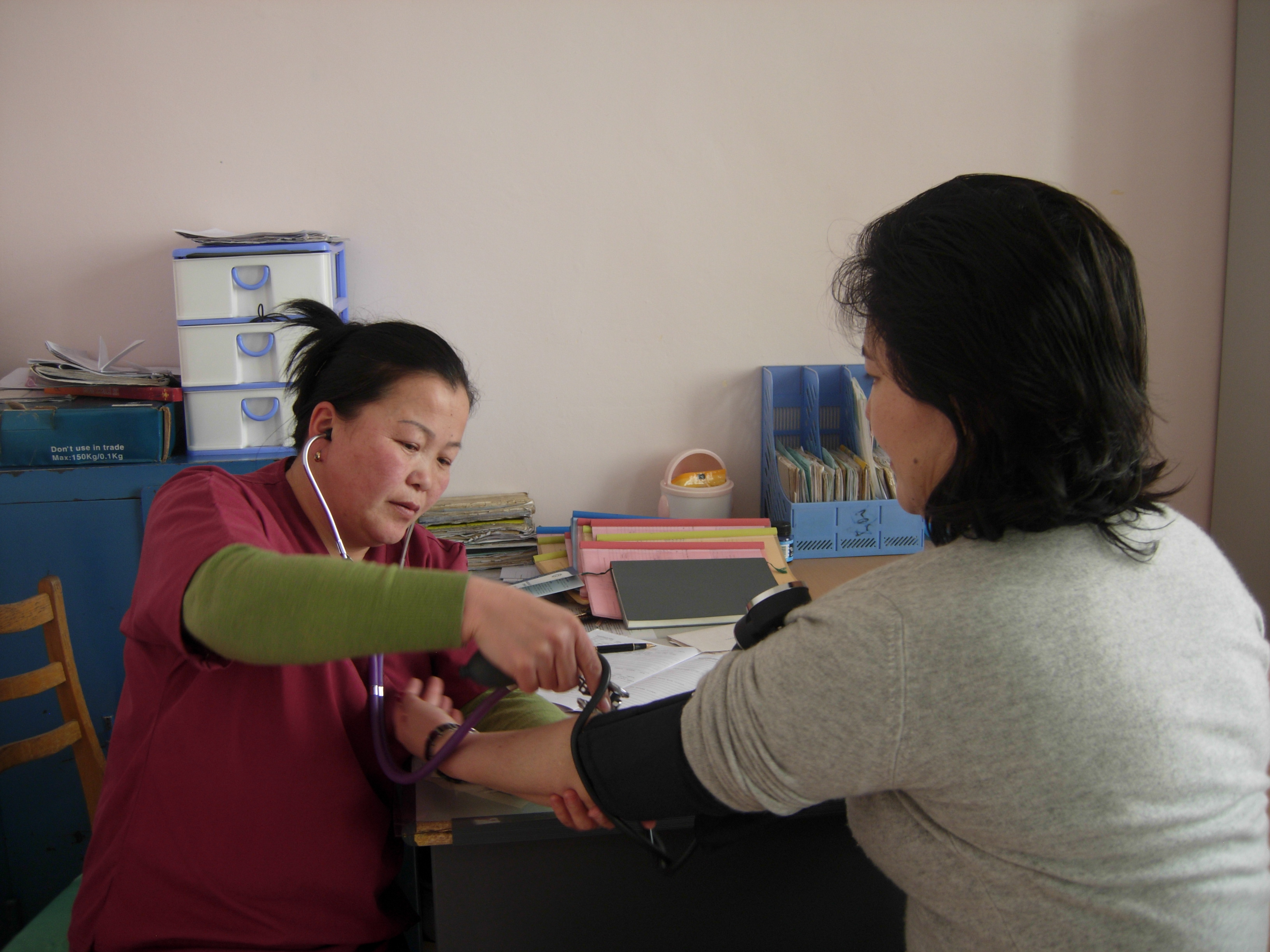
A Mongolian medical worker checks a patient’s blood pressure as part of the Mongolia Agreement signed in 2007 to address the high and growing incidence of non-communicable diseases and promote better health for the population, in collaboration with the private sector, which led to the reduction of salt, sugar and fat in popular food brands.
Nutrition is fundamental to development and intimately linked to all aspects of human growth and functioning, yet the challenge of achieving a hunger-free world remains daunting and complex. Research shows that by 2022, approximately 2.4 billion people, mostly women and rural residents, will lack stable access to nutritious, safe and sufficient food.
Since 2004, MCC has invested more than $5 billion in programs addressing the multiple causes of food insecurity around the world, and now, MCC is pleased to launch a new resource to support the adoption of nutrition-sensitive approaches in development programs across a wide range of sectors: the MCC Nutrition Investment Toolkit.
The enormous development challenge of eradicating world hunger is by no means simple. It is driven by a variety of interconnected factors that need to be addressed through a holistic development approach. For example, energy projects can increase access to electricity and improve food storage and preservation, enabling families to eat more nutritious diets all year round; projects that reduce greenhouse gas emissions can improve resilience to climate shocks that threaten food security and nutrition; and agricultural projects that support food processing and packaging facilities can increase the availability of nutritious foods.
On the other hand, projects planned without considering their nutritional impacts can have unintended consequences. New roads may increase the transportation of agricultural products, but lead to more nutritious products being shipped to distant markets and less consumed within the country. Higher incomes can lead to increased consumption of less nutritious processed foods, leading to weight gain, obesity and associated chronic diseases. Processing plants contribute to environmental pollution that pollutes air, water and soil, which can affect the resulting crops.
With this complexity in mind, the MCC Nutrition Investment Toolkit provides a powerful resource for project designers to use when considering how to incorporate nutrition benefits into poverty reduction projections and project economic return calculations. Economic and poverty reduction impacts are greater when interventions are intentionally designed to improve nutrition or mitigate adverse nutrition impacts. For example, nutrition-sensitive education programs aimed at strengthening women’s education also reduce chronic malnutrition in children. Providing nutrition-focused social and behavioral changes to farmers who use irrigation increases dietary diversity. And building roads for the transport of perishables such as fruits and vegetables reduces post-harvest losses and preserves nutritional value.
The Nutrition Investment Toolkit is designed to help MCC teams and others working in international development understand a systems approach to project design that will ensure that interventions across sectors with the potential to improve nutrition actually lead to improved nutrition.
Three guiding principles across the toolkit tie into this approach:
- Engage individuals with nutrition expertise and include data and evidence on the determinants of nutrition outcomes early in the project design and development process.
- Where relevant, add clear nutrition targets to signal to project implementers to continue maximizing nutrition impact throughout the investment lifecycle. Targets should be linked to specific short- and medium-term outcomes (e.g. dietary diversity for mothers and children, exclusive breastfeeding, intake of fortified foods, etc.) that are embedded in monitoring and evaluation plans.
- It uses an impact pathways approach based on existing evidence and helps identify different program entry points across all sectors that could help improve nutritional status.
Those in the international development sector can use this toolkit to understand how to better design nutrition-sensitive and nutrition-specific interventions that contribute to both economic growth and improved nutrition. The toolkit provides the case for investing in nutrition and shows how nutrition-sensitive education, water, sanitation, hygiene and especially agriculture projects can be designed to generate positive nutrition impacts. The toolkit also provides guidance on monitoring nutrition projects and calculating economic rates of return.
Today, as the world recognizes 28 May 2024 as World Nutrition Day, this new MCC tool will help design better projects that intentionally improve nutrition while reducing poverty through economic growth.
