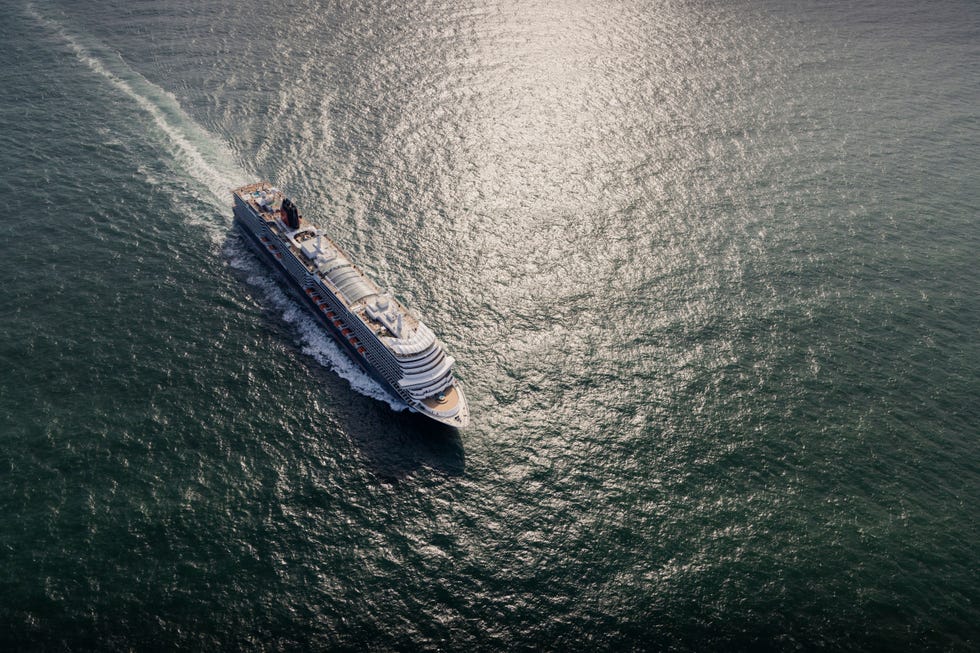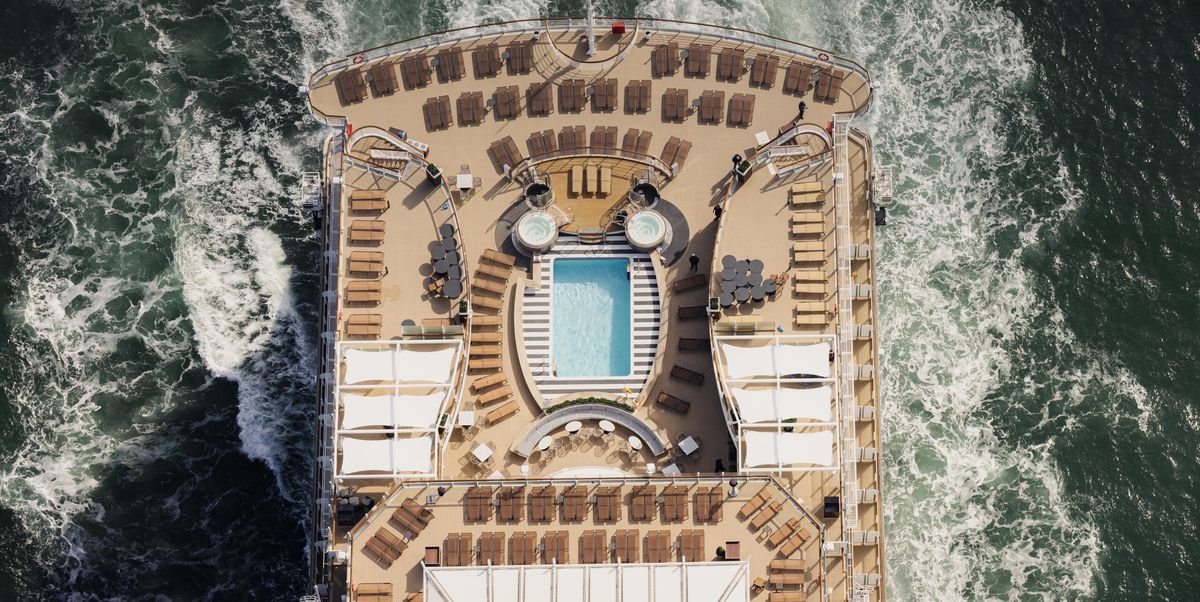
You’ve probably considered (but never actually booked) a wellness getaway, be it an overnight stay at a spa hotel or a week-long wellness-focused retreat. But have you ever considered taking that getaway in the middle of the ocean? The wellness cruise concept is becoming increasingly popular, featuring trips with floating spas, fresh sea air, and plenty of Vitamin D on the sundeck.
One such luxury liner is Cunard’s Queen Anne. Harper’s Bazaar We are collaborating with the Wellness at Sea program, which consists of three luxurious spa packages specially designed to revitalize the skin, body and mind, featuring a balanced menu of treatments, products and nutrition.
At the Queen Anne launch event, Bazaar‘s Beauty Director, Katie Young hosted an at-sea wellness panel in conversation with nutritionist Dr Federica Amati, sleep expert Dr Lindsay Browning and Cunard’s Senior Brand Manager Frances Fred, where the group explored the benefits of being at sea and what this means for health.
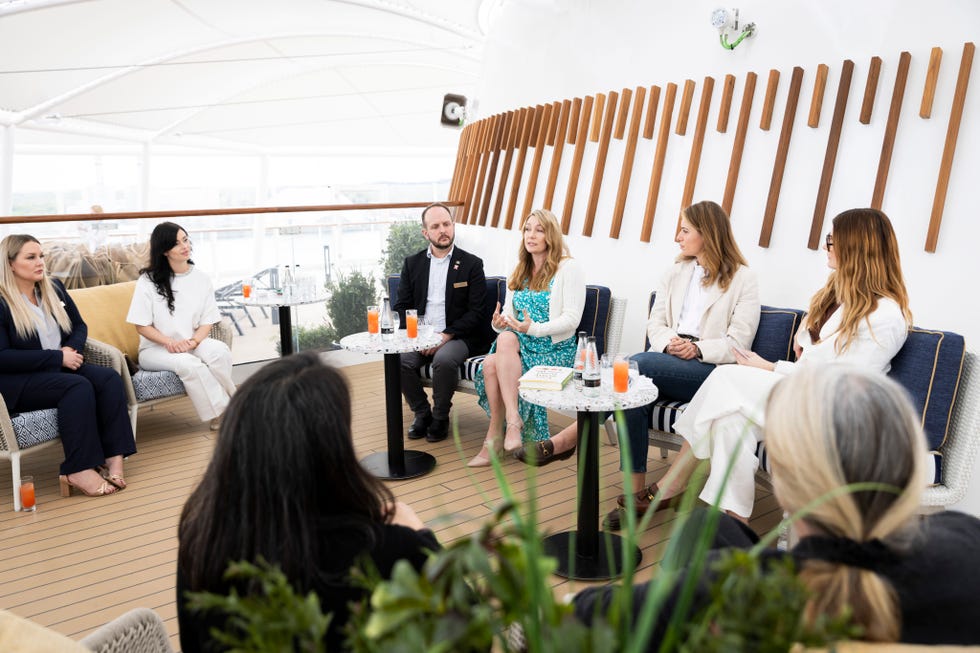
“Queen Anne is a milestone in a journey we’ve been on as a brand for the past few years,” Fred said of Cunard’s efforts to harness the “energizing and relaxing” power of the sea. “In 2018 we began our journey to create Mariel Wellness and Beauty, inspired by the ocean. Mariel, in Norwegian, means radiance and energy that comes from the sea, and we’ve been working with our partners to develop spa and wellness experiences that incorporate this into our ships and holiday experiences.”
Read on for highlights from the panel discussion and discover more about the health benefits of being at sea.
Facilities that invite quality sleep
Sleep disorders are widespread, with 9 in 10 people reporting poor quality sleep. Queen Anne offers all guests a sleep concierge service and a pillow concierge service with 9 pillow options to choose from. Our top suites also feature a bed concierge to ensure the ultimate in comfort and rest.
“Going on vacation is a great time to prioritize sleep and make some changes,” says Dr. Browning. “For example, you might have the opportunity to try a different pillow or experience a better mattress. Cruise ships often have thicker blackout blinds and curtains because they sail into the sun, so they might block out more light than you have at home. And when you get home, you might realize that your mattress isn’t as comfortable. Mattresses only last a limited time — they can only last up to eight years, and many of us are still using the same mattress we bought in the early 2000s. You might decide to buy a pillow or two that you tried out, or realize that you could use some new curtains at home. The idea is to take some of the experiences you had on board back home and make the good sleep you had while on vacation the norm, leading to more energy and better health the rest of the year.”

Finding nutritional balance
As Young points out, it’s easy to fall into the pattern of not eating too much before traveling and then overeating during, so it’s important to find a balance.
“It’s important to find an eating pattern that you can enjoy and take with you wherever you go,” Dr. Amati explains. “Many people have strict rules and routines that they follow when they’re at home, but they don’t necessarily enjoy it. Naturally, if you have the opportunity to try something new and find more joy, you jump at it. So my advice is to create moments every day, at home, at work, wherever you are, that actually allow you to enjoy the food you’re eating and develop a better relationship with food. That way, when you’re traveling, you’re not suddenly like, ‘Yay! Let’s take it easy!’ You can approach food on vacation with an emphasis on how it makes you feel and how it’s good for your health.
“We also tend to drink more alcohol during the holidays, which has a direct impact on our overall wellbeing, sleep and gut health, so I always say: have fun, but don’t beat yourself up over the top.”
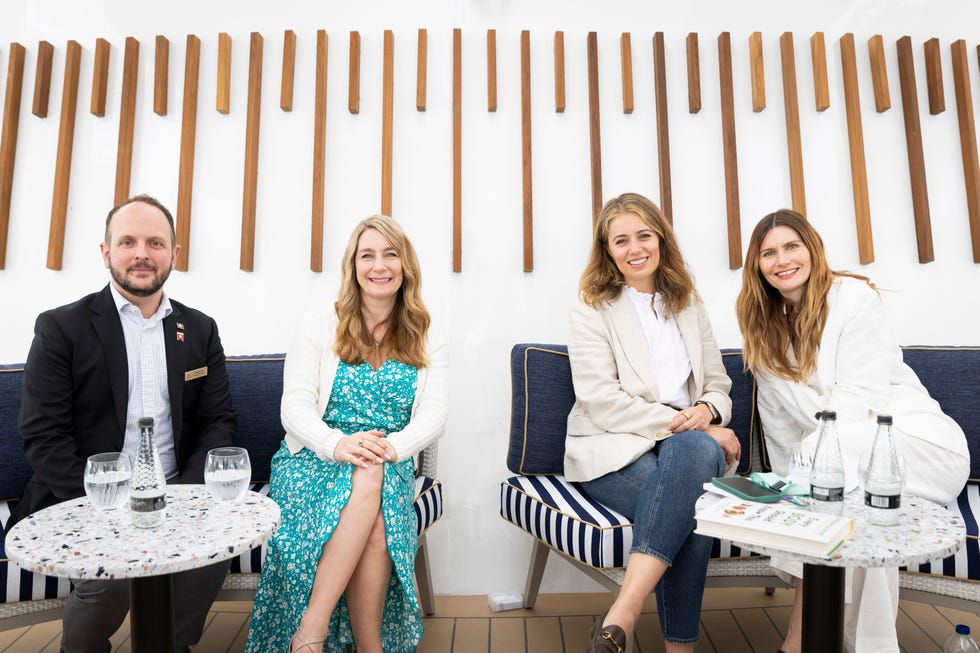
From left to right: Cunard’s Francis Fred, sleep specialist Dr Lindsay Browning, nutritionist Dr Federica Amata, BazaarKatie Young
Changes in daily life
When you remove the stresses of everyday life and take time for yourself, you’ll likely sleep better and feel more rested and relaxed overall while on vacation.
“Sleep tourism, with its focus on sleep itself, is big business now,” Dr Browning says. “It gives people the opportunity to take a break and make some changes to their daily routine.” [It’s much easier] “When you’re not at home, there are no screaming kids, you don’t have to get up and get ready for work, you don’t have to take the time to get better quality sleep. If you’re in an environment where you can do relaxation, yoga, meditation, or learn a new skill, you can still work on that after you’re gone.”
Beating jet lag
In contrast to the harsh effects of long-distance flying, traveling on a cruise ship is much kinder to your circadian rhythms.
“Jet lag occurs when you travel between time zones. Our bodies can’t adapt to more than an hour a day, so if you fly to a place with a five-hour time difference, it will probably take you five days to catch up,” Dr Browning added. “If you take a cruise, it’s easier to get used to it than flying – you pass through each time zone gradually; if the ship is traveling east, the time will change at midday, and if traveling west, it will change at midnight, so you barely notice it.”
Another tip to combat fatigue and jet lag is to “expose yourself to as much bright light as possible during the day, as this will also help you sleep better at night.”
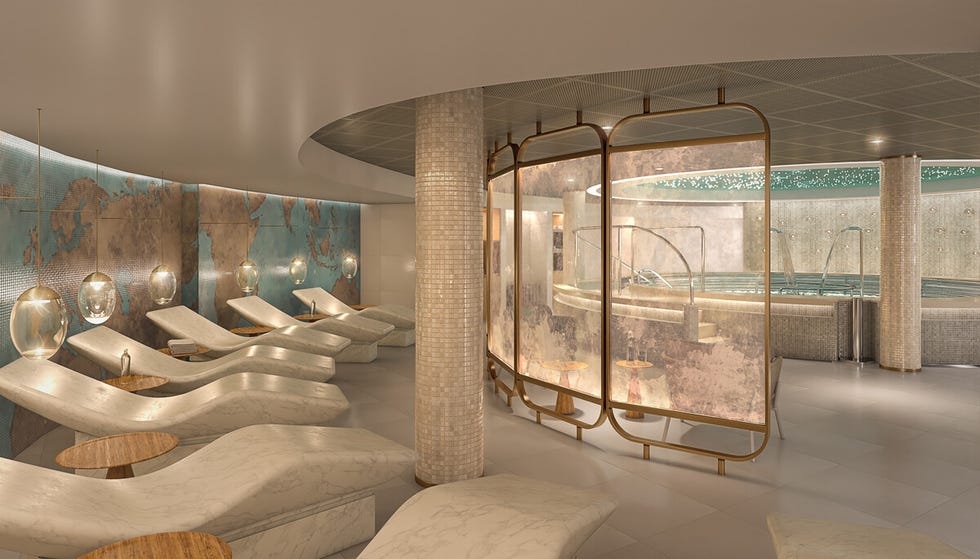
Customizable menus
“People are always looking for healthy, customizable options,” Fred says. “Even regular buffets cater to special diets, and I think it’s becoming the norm now. People want more options for breakfast, brunch, lunch and dinner. Look for the Malir seaweed symbol throughout our restaurants; it signifies more thoughtful options on the menu.”
“Our wellness café serves a vegan menu with protein options, meaning guests can customise their meals on the spot to suit their tastes and needs. We also have a juice bar, offering juice blends and mixers for low- and non-alcoholic cocktails to help guests make more informed choices.”
Freedom of movement
Cruise ships offer the luxury of space and the opportunity to walk, stretch, and take part in activities while traveling, all of which have health benefits.
“When you travel, especially when you travel by car or plane, you are at higher risk for things like constipation. [caused by] “This can be due to a variety of factors, including changes in your daily routine, not being able to go to the toilet when you need to, not drinking enough water, and sitting for long periods of time,” says Dr. Amati. “Taking care of your gut, drinking plenty of fluids, and most importantly, staying moving throughout the day can really help prevent constipation. No one wants to be constipated while on holiday!”
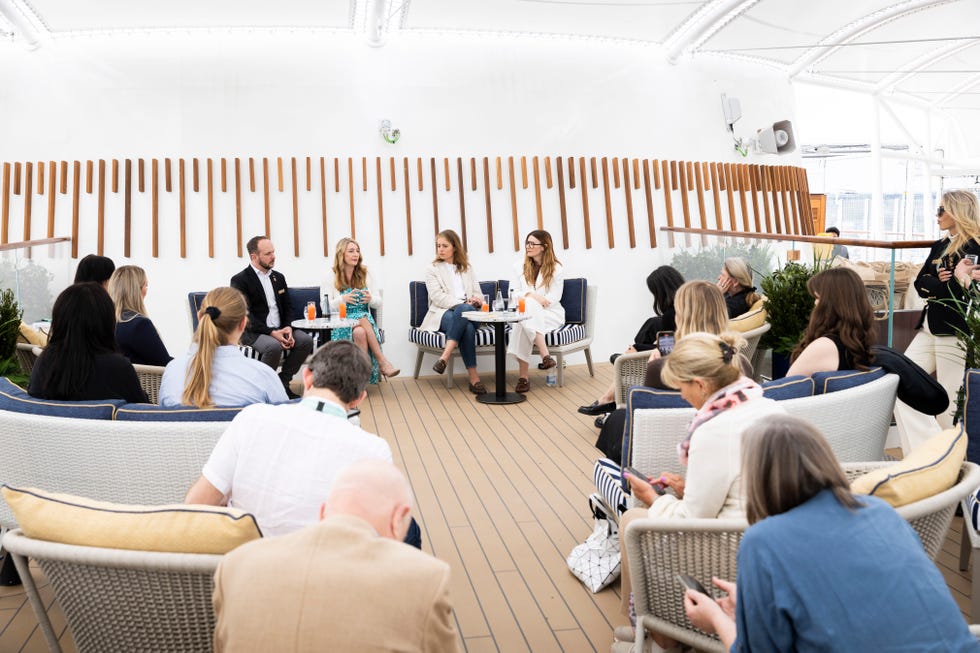
Wellness at Sea Panel at the Queen Anne Launching Ceremony
Get educated about food
Luxury cruise ships offer a wide variety of dining options, giving you the opportunity to try new things and consume a variety of fiber-rich fruits and vegetables.
“There are some really simple ways to feed your gut,” says Dr. Amati. “Firstly, fibre. Focus on fibre-rich foods. It can be any plant. I don’t mean you have to eat a bowl of salad leaves, it can be what my husband sometimes calls ‘rabbit food.’ It can be mushrooms. It can be nuts and seeds. The foods that are really going to help improve your health and reduce your risk of premature death are whole grains, nuts and seeds, legumes and fruit. Fruit has been demonised, but eating whole fruit is really good for you, so we should be getting more of those foods into our diet.”
“I love the idea of having animal products as a side dish – it’s really good for us. Think about the plant first, and then, ‘What side dish would I serve with that?’ We should aim to enjoy a rich variety of plants – ideally, 30 different plants a week. Vary them – five a day can get a bit monotonous. Also, add flavour to them with spices, herbs, pine nuts – not only is it better for you, it makes your food taste better too.
“Plus, fermented foods are natural probiotics. They’re full of live microorganisms that often live in a symbiotic relationship, so foods like sauerkraut contain both fiber and live bacteria. Add them to your diet, and avoid eating them late at night – your gut needs a rest.”