

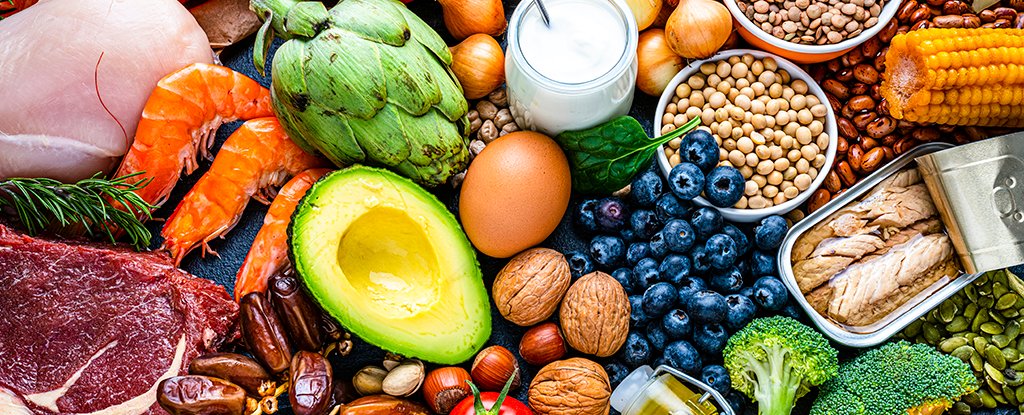
Understanding the biological processes behind aging could help us live longer and be healthier in old age, and new research points to a link between how quickly the brain ages and the nutrients we eat.
Researchers from the University of Illinois and the University of Nebraska-Lincoln mapped the brain scans and nutritional intake of 100 volunteers aged 65 to 75 to explore whether certain diets could be linked to slower brain aging.
The researchers identified two distinct types of brain aging, and the slower type was associated with consuming nutrients similar to those found in the Mediterranean diet, which previous studies have shown to be one of the best for our bodies.
“We looked at specific nutritional biomarkers, such as fatty acid profiles, that are known in nutritional science to have potential health benefits,” says neuroscientist Alon Barbey of the University of Illinois at Illinois.
“This is consistent with the extensive research in this field demonstrating the positive health effects of the Mediterranean diet, which emphasizes foods rich in these beneficial nutrients.”
Importantly, the researchers didn’t rely on study participants’ reports of what they ate — instead, they analyzed blood samples to look for nutritional biomarkers that provide hard scientific evidence of what older people were eating and drinking.
Among the beneficial biomarkers identified were fatty acids found in fish and olive oil, antioxidants such as vitamin E found in spinach and almonds, and carotenoids, plant pigments found in carrots and pumpkin, which have been shown to reduce inflammation in the body and protect cells from damage. Another beneficial biomarker linked to delayed aging in the study was choline, which is found in high concentrations in egg yolks, organ meats and raw soybeans.
The researchers assessed brain aging through both MRI brain scans and cognitive assessments, a dual approach that revealed a picture of actionable mental agility along with more nuanced details of neuronal makeup.
“This will allow us to build a more robust understanding of the relationships between these factors,” Barbey says.
“We simultaneously investigated brain structure, function and metabolism and demonstrated a direct link between these brain properties and cognitive ability.”
There is now growing evidence that nutrition plays a key role in brain aging, and each new study provides greater insight into how the brain is intimately connected to every other part and function of the body.
The study only captured a snapshot in time and isn’t comprehensive enough to prove causation, but a 2023 study reached a similar conclusion, following participants for 12 years and also finding an association between the Mediterranean diet and reduced cognitive decline.
The team next wants to explore longer-term clinical trials to see how diet and nutrition affect brain aging, suggesting that small changes to what we eat could potentially reduce our risk of neurodegenerative diseases such as Alzheimer’s.
“This study identifies a promising pattern of specific nutrient biomarkers that are favorably associated with indicators of cognitive performance and brain health,” Barbey said.
This study npjAging.
