

With mental illnesses like depression, anxiety and addiction on the rise, Metropolitan State University of Denver is partnering with Kaiser Permanente and the National Council on Mental Health to address the state’s severe mental health workforce shortage.
The consortium developed an accelerator program that connects graduates to clinical training and other support they need to become licensed professionals.
MSU Denver’s Gina and Frank Day Health Institute is securing clinical hour placements and supervision for pre- and post-master’s associates working in community provider settings serving vulnerable populations. The institute is also establishing peer cohorts and providing learning materials, while the Kaiser Permanente grant of $4.2 million is earmarked for scholarships, supervision, operations and program analysis.
The effort comes amid a growing demand for mental health care: One in five Coloradans needs mental health care services, but fewer than a third receive that care, said Dr. Emily Matusiewicz, director of development and partnerships at the Health Institute.
RELATED: Infrastructure bill takes aim at Colorado’s health care worker shortage
Obtaining the required clinical hours, study materials and exam costs can be barriers for those seeking to become licensed mental health professionals. For many mental health graduates, the additional hurdles and costs stop their careers before they even get started, especially for minority groups who don’t have established social networks within the industry, Matusiewicz said.
“We’re breaking down barriers to bring more qualified health care workers into the field who reflect the populations we serve,” she said.
The Colorado Department of Behavioral Health estimated that the state will have more than twice as many mental health job openings in 2022 as comparable areas nationwide.
Although unlicensed mental health practitioners can treat Medicare patients, certification would allow them to treat more people and help providers stay in business.
“To effectively address the local impacts of the national mental health crisis, we need to develop a region-wide mental health workforce that effectively represents the communities hardest hit,” said Mike Ramseyer, president of Kaiser Permanente Colorado.
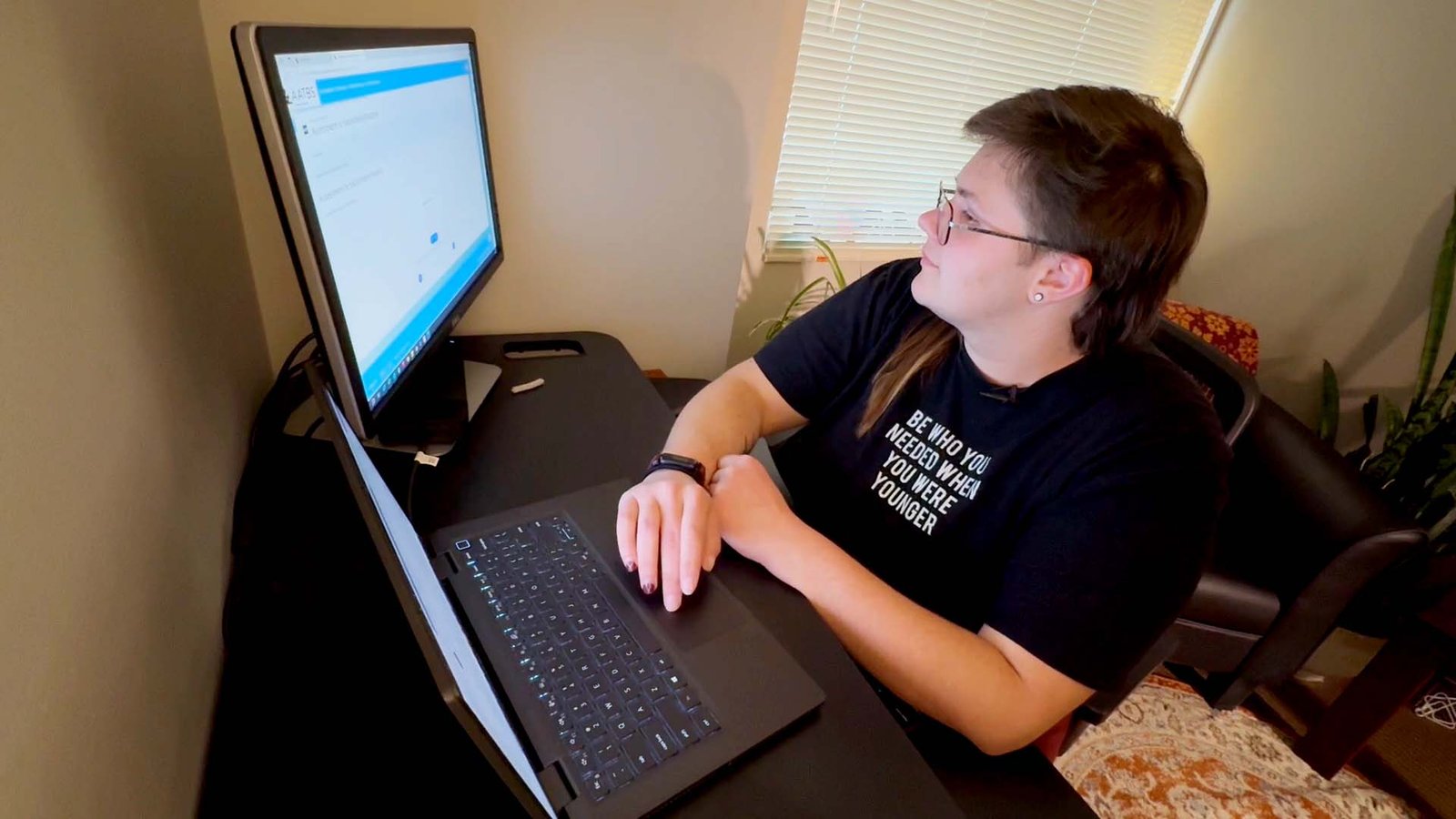
Kian Brieske, a participant in the collaborative’s first cohort, received clinical hours through Diversus Health of El Paso County. The collaborative paid Brieske’s salary through a Kaiser Permanente grant.
Community Provider
The program’s first cohort has reserved placements for 33 participants, with priority given to nonprofit and public organizations that serve vulnerable and underserved populations. Community providers currently accepting participants include: Denver/Boulder/Aurora metropolitan area area
Southern Colorado
Northern Colorado
|
Brieske completed her master’s degree in 2021, but won’t receive her official certification until mid-year. UMass Denver helped her clear some hurdles, including providing free study materials that would have otherwise cost hundreds of dollars, Brieske said. The cohort provided an important platform for participants to navigate sometimes confusing eligibility paperwork and other hurdles.
“Some of my classmates in graduate school gave up because they couldn’t afford a year of free clinical training,” she says. “This program has been extremely beneficial.”
The program is part of Kaiser Permanente’s overarching goal to improve members’ lives by providing evidence-based, outcomes-driven mental health and addiction treatment at the right time and in the right setting, said Jeff Krawcheck, MD, executive medical director and president of Kaiser Permanente Colorado Medical Group.
The program also furthers Kaiser Permanente’s longstanding commitment to supporting the social needs of our communities by providing access to housing, food and healthy living options, as well as mental health care options.
“To meet the health needs of our entire communities, we must remove as many barriers as possible for people who want to do that work,” Krawczek said. “This community-based approach will provide support to many areas of Colorado where the need is greatest.”
Aspiring mental health workers across the country will soon be able to enjoy similar benefits: The Colorado collaborative is part of a national effort to launch a similar accelerator in Georgia.
