

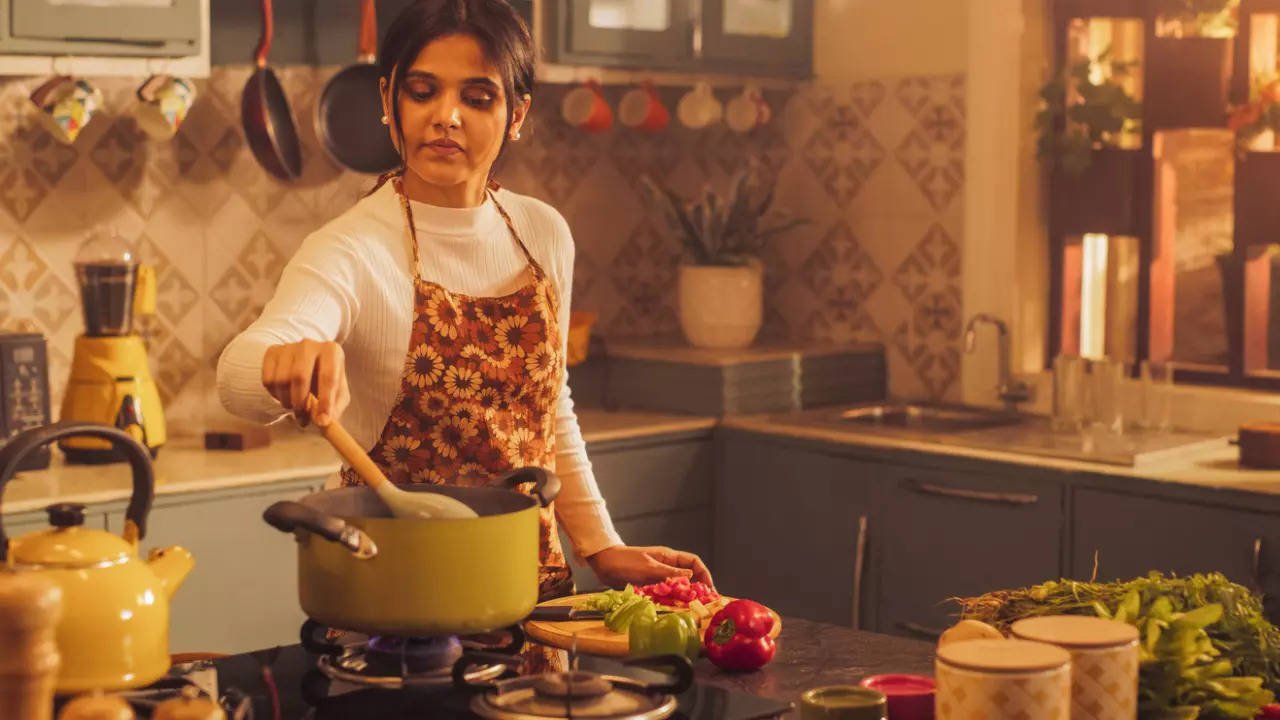
Cooking is a perfect blend of art and science. Creating the right taste is an art, but using the right cooking methods and utensils is a science. A recently released guidelines report by the Indian Council of Medical Research (ICMR) lays a lot of emphasis on science and cooking. The dietary guidelines for Indians, led by the apex health research institute, National Institute of Nutrition (NIN), Hyderabad, talks about the importance of adopting proper food preparation and cooking methods at home. Scroll down to read more.
What are the pre-cooking processes and why are they important?
As the name suggests, it refers to the preparations that are done before cooking a dish and includes washing, cutting, grinding, fermenting, sprouting, etc. These steps are important as they help the dish cook and help maintain the nutritional value of the dish. However, they should be done in a controlled manner to avoid loss of nutrients. For example, excessive washing of rice and pulses will cause the loss of certain minerals and vitamins. Also, cutting vegetables into small pieces exposes a larger surface area of the food to air, which causes loss of vitamins due to oxidation.[oatbecausetheyhelpinthecookingofthedishalsohelpsmaintainthenutritionalvalueofsofthedgedButitshouldbedoneinacontrolledmannertoavoidthelossofnutrientsForinstanceexcessivewashingofriceandpulseswillresultinlossofcertainmineralsandvitaminsAlsocuttingvegetablesintosmallpiecesexposesalargersurfaceareaofthefoodstufftotheatmosphereresultinginlossofvitaminsduetooxidation[oatbecausetheyhelpinthecookingofthedishandalsohelpsmaintainthenutritionalvaluesofthedishButitshouldbedoneinacontrolledmannertoavoidthelossofnutrientsForinstanceexcessivewashingofriceandpulseswillresultinlossofcertainmineralsandvitaminsAlsocuttingvegetablesintosmallpiecesexposesagreatersurfaceareaofthefoodstufftotheatmosphereresultinginlossofvitaminsduetooxidation
How to process food at home to improve and preserve its nutrients
According to ICMR, soaking, popping, puffing, germination, malting and fermentation are some of the methods to improve the digestibility and bioavailability of nutrients in whole grains and pulses.
Also read: Why ICMR doesn’t recommend cooking with non-stick pans
The correct way to germinate
The guidelines neatly outline the correct way to germinate, which also helps boost gut health without compromising on nutritional value. It is recommended to place the washed grains in a colander, rinse well and then drain. Then fill a bowl with extra water, submerge the grains and leave at room temperature overnight or for at least 12 hours. Drain the water in a colander and rinse well. Place the grains in a damp muslin cloth and loosely cover the grains to allow air to circulate. Store at room temperature away from direct sunlight and they will sprout in 1-3 days.
The ICMR recommends steaming vegetables rather than blanching as this retains nutrients better.
Healthy cooking tips from ICMR
The importance of cooking: According to ICMR, cooking most foods improves their digestibility. Cooking makes foods softer and easier to chew. Proper cooking methods improve the appearance, taste, flavour and texture of foods, making them more palatable and increasing their acceptability.
Cooking with the lid open vs. closed: It is said that cooking with the lid open will cook the food longer and will result in quicker loss of nutrients due to exposure to air, whereas cooking with the lid closed will cook the food faster and retain the nutrients better due to the shorter cooking time.
Read also: ICMR diet chart for women who do not exercise regularly
Boiling and Pressure Cooking: According to ICMR, boiling or pressure cooking is the best method to increase the nutritional value of pulses as anti-nutritional factors are destroyed during boiling and pressure cooking. Hence, these methods increase digestibility and enhance protein availability.
Steaming: In contrast to boiling, during the steaming process, food is simply exposed to steam, making it an excellent cooking method for increasing the levels of both antioxidants and polyphenols in vegetables and leafy greens.
Fried food: ICMR said that the high temperatures encountered during frying process result in changes in nutrients such as proteins and vitamins. The main drawback of frequent use of this method is the increased consumption of fats and oils, which are linked to an increased risk of heart disease, stroke and type 2 diabetes. Repeated use of oil used for deep frying should also be avoided, ICMR said. Moreover, oil already used should not be reused by mixing it with new oil.
Shallow frying: There is a greater loss of nutrients: Food is exposed to ambient oxygen for a much longer period compared to deep frying, which, combined with high temperatures, causes fats and oils to deteriorate significantly, according to ICMR.
Stir-fry: This method preserves nutrients compared to cooking in liquids: Rapid cooking locks in nutrients, but heat-sensitive vitamins begin to degrade.
Read also: According to the ICMR, consuming this amount of sugar every day is safe.
Microwave cooking: Microwaves have minimal nutritional impact on proteins, lipids, vitamins and minerals. We recommend using glass or microwave-safe ceramic containers and avoiding plastic containers.
Roasting: By keeping the oven temperature constant at 150-150°C throughout the cooking time, less cooking loss will occur than if you started at a higher temperature.
BBQ and Grill: If not done properly, these cooking methods can produce harmful compounds such as polycyclic aromatic hydrocarbons (PAHs) and advanced glycation end products (AGEs).
Slow Cooking: This breaks down the cell walls during cooking, releasing the vegetables’ powerful antioxidants, making them more available to your body.
Air fry: It gives fried foods a kick without using too much oil. Air frying also significantly reduces the amount of oil absorbed into the food compared to deep frying. Less oil means fewer calories, which can reduce the risk of weight gain and obesity.
Thumbnail and embedded image courtesy of istock
What are the pre-cooking processes and why are they important?
As the name suggests, it refers to the preparations that are done before cooking a dish and includes washing, cutting, grinding, fermenting, sprouting, etc. These steps are important as they help the dish cook and help maintain the nutritional value of the dish. However, they should be done in a controlled manner to avoid loss of nutrients. For example, excessive washing of rice and pulses will cause the loss of certain minerals and vitamins. Also, cutting vegetables into small pieces exposes a larger surface area of the food to air, which causes loss of vitamins due to oxidation.[oatbecausetheyhelpinthecookingofthedishalsohelpsmaintainthenutritionalvalueofsofthedgedButitshouldbedoneinacontrolledmannertoavoidthelossofnutrientsForinstanceexcessivewashingofriceandpulseswillresultinlossofcertainmineralsandvitaminsAlsocuttingvegetablesintosmallpiecesexposesalargersurfaceareaofthefoodstufftotheatmosphereresultinginlossofvitaminsduetooxidation[oatbecausetheyhelpinthecookingofthedishandalsohelpsmaintainthenutritionalvaluesofthedishButitshouldbedoneinacontrolledmannertoavoidthelossofnutrientsForinstanceexcessivewashingofriceandpulseswillresultinlossofcertainmineralsandvitaminsAlsocuttingvegetablesintosmallpiecesexposesagreatersurfaceareaofthefoodstufftotheatmosphereresultinginlossofvitaminsduetooxidation
How to process food at home to improve and preserve its nutrients
According to ICMR, soaking, popping, puffing, germination, malting and fermentation are some of the methods to improve the digestibility and bioavailability of nutrients in whole grains and pulses.
Also read: Why ICMR doesn’t recommend cooking with non-stick pans
The correct way to germinate
The guidelines neatly outline the correct way to germinate, which also helps boost gut health without compromising on nutritional value. It is recommended to place the washed grains in a colander, rinse well and then drain. Then fill a bowl with extra water, submerge the grains and leave at room temperature overnight or for at least 12 hours. Drain the water in a colander and rinse well. Place the grains in a damp muslin cloth and loosely cover the grains to allow air to circulate. Store at room temperature away from direct sunlight and they will sprout in 1-3 days.
The ICMR recommends steaming vegetables rather than blanching as this retains nutrients better.
Healthy cooking tips from ICMR
The importance of cooking: According to ICMR, cooking most foods improves their digestibility. Cooking makes foods softer and easier to chew. Proper cooking methods improve the appearance, taste, flavour and texture of foods, making them more palatable and increasing their acceptability.
Cooking with the lid open vs. closed: It is said that cooking with the lid open will cook the food longer and will result in quicker loss of nutrients due to exposure to air, whereas cooking with the lid closed will cook the food faster and retain the nutrients better due to the shorter cooking time.
Read also: ICMR diet chart for women who do not exercise regularly
Boiling and Pressure Cooking: According to ICMR, boiling or pressure cooking is the best method to increase the nutritional value of pulses as anti-nutritional factors are destroyed during boiling and pressure cooking. Hence, these methods increase digestibility and enhance protein availability.
Steaming: In contrast to boiling, during the steaming process, food is simply exposed to steam, making it an excellent cooking method for increasing the levels of both antioxidants and polyphenols in vegetables and leafy greens.
Fried food: ICMR said that the high temperatures encountered during frying process result in changes in nutrients such as proteins and vitamins. The main drawback of frequent use of this method is the increased consumption of fats and oils, which are linked to an increased risk of heart disease, stroke and type 2 diabetes. Repeated use of oil used for deep frying should also be avoided, ICMR said. Moreover, oil already used should not be reused by mixing it with new oil.
Shallow frying: There is a greater loss of nutrients: Food is exposed to ambient oxygen for a much longer period compared to deep frying, which, combined with high temperatures, causes fats and oils to deteriorate significantly, according to ICMR.
Stir-fry: This method preserves nutrients compared to cooking in liquids: Rapid cooking locks in nutrients, but heat-sensitive vitamins begin to degrade.
Read also: According to the ICMR, consuming this amount of sugar every day is safe.
Microwave cooking: Microwaves have minimal nutritional impact on proteins, lipids, vitamins and minerals. We recommend using glass or microwave-safe ceramic containers and avoiding plastic containers.
Roasting: By keeping the oven temperature constant at 150-150°C throughout the cooking time, less cooking loss will occur than if you started at a higher temperature.
BBQ and Grill: If not done properly, these cooking methods can produce harmful compounds such as polycyclic aromatic hydrocarbons (PAHs) and advanced glycation end products (AGEs).
Slow Cooking: This breaks down the cell walls during cooking, releasing the vegetables’ powerful antioxidants, making them more available to your body.
Air fry: It gives fried foods a kick without using too much oil. Air frying also significantly reduces the amount of oil absorbed into the food compared to deep frying. Less oil means fewer calories, which can reduce the risk of weight gain and obesity.
Thumbnail and embedded image courtesy of istock
