

WASHINGTON — Democrats and Republicans on the U.S. House Agriculture Committee were at odds late Thursday night over funding for food and nutrition programs as part of the GOP’s comprehensive proposal for a new five-year farm bill.
The committee’s $1.5 trillion omnibus farm bill would set policy and funding levels for agriculture and conservation programs, as well as food and nutrition programs for needy families, for the next five years.
House Agriculture Chairman Glenn “GT” Thompson, a Pennsylvania Republican, introduced the long-awaited bill last week, and his committee made marathon amendments on Thursday. The committee is expected to vote on a series of amendments and the bill around midnight Eastern time.
The bill has been stalled by disagreements between Democrats and Republicans over a funding calculation that would place limits on the formula for calculating benefits for the Supplemental Nutrition Assistance Program (SNAP), the food assistance program formerly known as food stamps.
Democrats said Thursday that the bill would lead to cuts to SNAP and would also destroy future bipartisan support for a farm bill that’s needed to pass the Senate.
“There’s no way we can get a farm bill passed unless we address this issue. This is the crux of the problem,” Rep. David Scott of Georgia, the committee’s top Democrat, said of SNAP’s funding mechanism.
As the House committee debated the bill, Senate Agriculture Committee Chairwoman Debbie Stabenow, a Michigan Democrat, said in an interview Thursday that there was no chance the bill would pass the Senate.
“This bill would destroy the agriculture and food coalition and it doesn’t have the votes to pass it in the House, certainly not in the Senate,” Stabenow said. State newsroom.
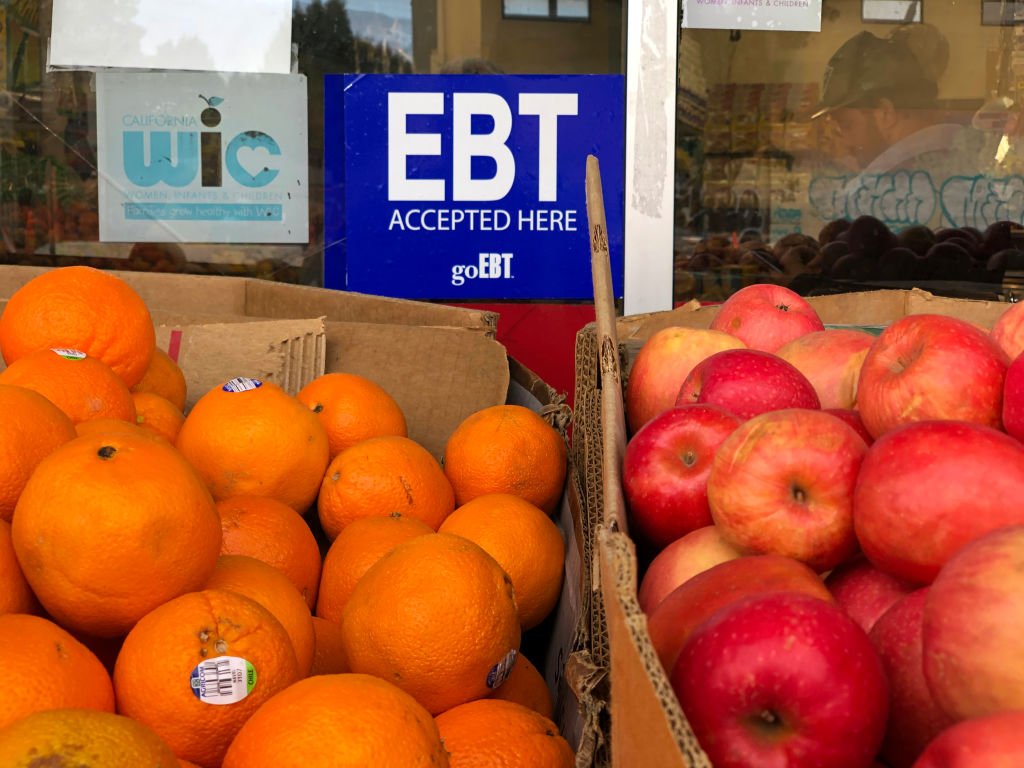
The bulk of the Farm Bill’s spending goes to nutrition programs, where more than 41 million people receive SNAP benefits, according to the USDA.
Democrats criticize SNAP funding changes
Thompson’s bill would limit future updates to the Thrifty Food Plan, the formula that calculates SNAP benefits, which lawmakers say would result in spending cuts of nearly $30 billion over 10 years, according to Congressional Budget Office estimates.
Democrats argue that this would significantly reduce the food-buying power of struggling Americans.
“Any effort that takes food away from hardworking families will not get my vote,” said Rep. Gabe Vazquez, a Democrat from New Mexico.
“If we want to pass a farm bill with the level of bipartisanship necessary to get it through this committee, we need to go back to the negotiating table and remove this provision,” said Rep. Yadira Carabeo, D-Colorado.
Rep. Jahana Hayes, D-Connecticut, offered an amendment to roll back the program changes, but after more than two hours of heated debate on the issue Thursday night, the amendment failed on a party-line vote of 25-29.
“It makes no sense to us to once again attack the most vulnerable people in this country – the people who are hungry,” Hayes told the committee. “There are some promising parts of this bill, but it shouldn’t come at the expense of the most vulnerable.”
Republicans defend new approach
The fundamental issue is the cost projections for the farm bill over the next 10 years: Because the farm bill must remain budget neutral, lawmakers must base their proposals on how much the government would spend if the current farm bill were extended.
Republicans argue that the SNAP changes are cost calculations and don’t actually cut food assistance to poor families. The changes wouldn’t take effect until 2027 and wouldn’t directly cut current SNAP levels. Rather, they would freeze the list of products families can buy with benefits and the amount they can buy, except for inflationary increases.
As such, the limits would make it more difficult for the USDA to add new items to SNAP or provide more assistance to certain categories, like the Biden administration did in 2021 when it increased benefits for fruits and vegetables.
Rep. Marc Molinaro, R-New York, said it was “disingenuous” to portray the changes as a cut to SNAP benefits, while Rep. Dusty Johnson, R-South Dakota, said benefits on SNAP electronic benefit cards would not be reduced.
But Democrats pointed to CBO cost estimates that project federal spending on SNAP would be reduced if the bill becomes law.
“Rather than letting people believe this is not a big deal, it is a very big deal … we have to do more,” said Rep. Jim McGovern, D-Massachusetts.
Salud Carbajal, a California Democrat, said Republicans are “trying to have it both ways.”
“If the commission views this as a fee, it takes funds away from hungry families,” Carbaja said.
The Farm Bill provides funding for 12 separate programs over five years. This massive bill combines assistance to agricultural producers, farm energy and conservation programs, and food and nutrition programs for struggling families.
Agriculture Secretary Tom Vilsack expressed concern this week that Republican proposed adjustments to SNAP benefits would threaten that coalition.
The Republican bill would increase farm “safety net” payments for some crops, expand eligibility for disaster assistance and provide more money for specialty crop, organic and dairy farmers.
It is expected to cost $1.5 trillion over 10 years. A title-by-title summary of the 942-page bill can be found here.
Jennifer Shutt contributed to this report.
