

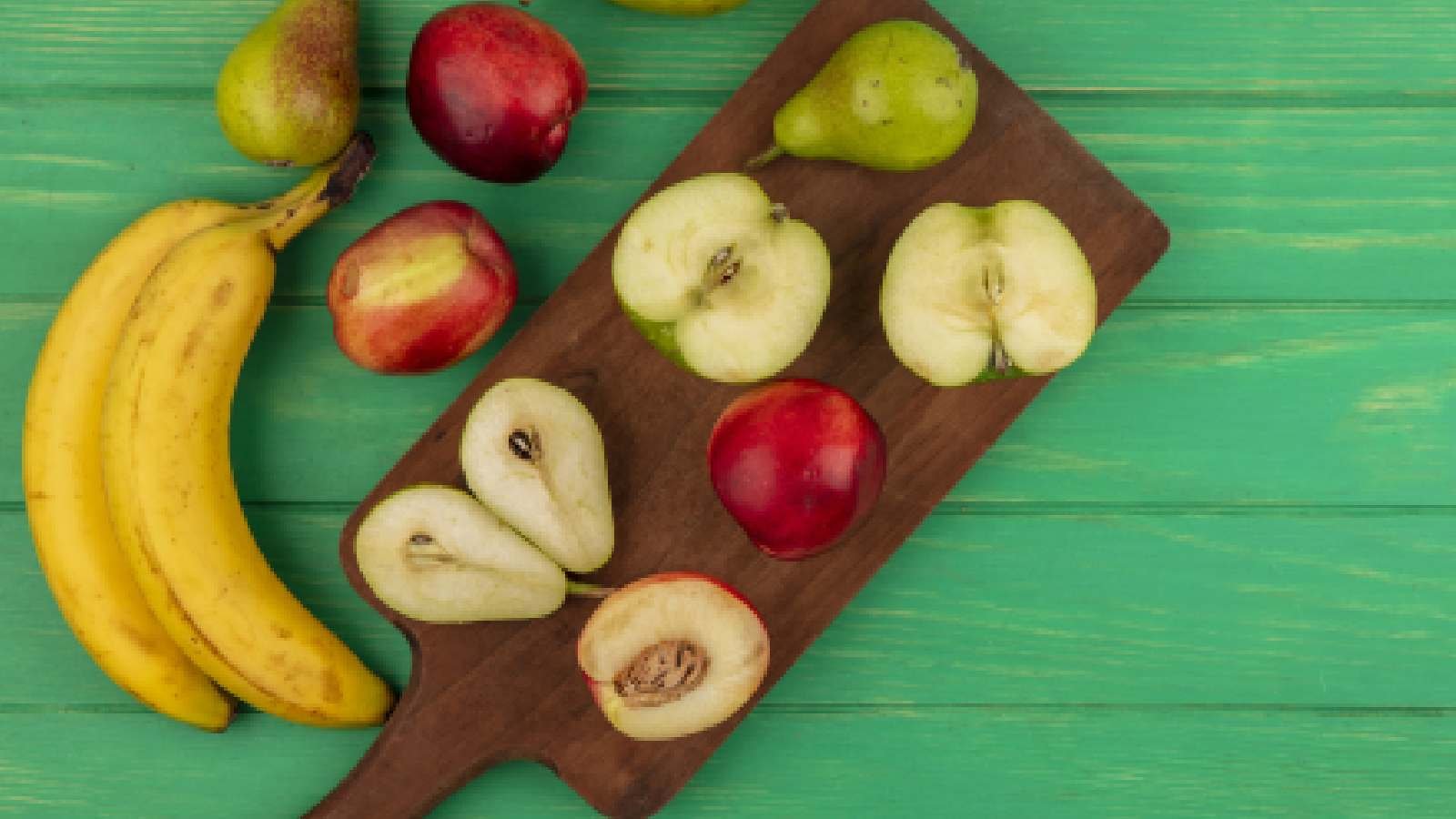
Fresh fruits should be included in your diet. Although fruits are healthy, some fruits can cause bloating. Here is a list of fruits that cause bloating:
Bloating is a digestive problem characterized by a feeling of fullness, pressure, or swelling in the abdomen. This sensation may be accompanied by gas, causing discomfort and pain. This often occurs when gas builds up in the digestive tract. There are many factors that can cause bloating, one of which is diet. Beans and cruciferous vegetables such as cabbage and cauliflower are most often cited as the culprits for this digestive problem. However, there are also fruits that cause bloating.
What is bloating?
If you’re feeling full and uncomfortable, you might have abdominal bloating. According to the UK’s National Health Service, if your stomach feels larger than usual, you have stomach pain or discomfort, stomach rumbling, or you’re farting more than usual, you could have abdominal bloating.
Which fruits cause bloating?
Here are some fruits that may cause bloating:
1. Apple
Apples are a popular healthy snack because they’re rich in fiber, vitamin C, and antioxidants, but eating large amounts can cause bloating, says nutritionist Charu Dua. Apples contain high amounts of fructose and fiber that can be fermented in the large intestine, which can lead to bloating and gas, according to a 2020 study published in the journal Nutrition.
2. Watermelon
A popular summer fruit, watermelon is highly hydrating and rich in vitamins A and C. Watermelon contains high concentrations of fructose and polyols, which contribute to fermentation and gas production.
3. Peach
Peaches have health benefits thanks to their vitamin A and C content and dietary fiber content. But they also contain high amounts of fructose, which can ferment and ultimately lead to bloating. According to the United States Department of Agriculture, 100 grams of peaches contain 8.39 grams of sugar, including fructose.
4. Plum
Plums are a common fruit that many people like to eat with a little salt. They contain sorbitol, a sugar alcohol, and dietary fiber, both of which can cause bloating, experts say.
5. Mango
Mangoes are rich in vitamins A, C and dietary fiber, making them a popular summer fruit. In addition to eating the yellow fruit, you can also make mango shakes and summer salads. Mangoes contain a lot of fructose, which is poorly absorbed and can cause gas.
6. Grapes
Grapes are widely consumed both fresh and dried (raisins) and are a staple fruit in many households. Grapes are rich in vitamin C, vitamin K and antioxidants, says Dua. Grapes contain fructose, which can cause bloating in the human body.
7. Banana
High in potassium and fiber, bananas are a popular snack or breakfast option. According to the USDA, about 100 grams of a ripe banana contains a total of 4.62 grams of fiber. Fiber can ferment in the intestines, producing gas and causing bloating.
Customize your feed by choosing the topics that interest you.
Customize now
8. Apricot
Apricots are rich in vitamins A and C and dietary fiber, and they also contain sorbitol, which experts say can lead to fermentation and gas production.
Who is more likely to feel bloated after eating fruit?
People with certain gastrointestinal conditions may experience more abdominal bloating when eating high-fiber fruits. This includes:
- People with irritable bowel syndrome (IBS) often experience sensitivity to gas production and intestinal bloating.
- Those who cannot absorb fructose effectively may experience significant bloating.
- People with sensitive digestive systems may also be more susceptible to abdominal bloating.
How can I prevent bloating after eating fruit?
To minimize bloating while still enjoying these fruits, consider these tips:
- Eat small portions to reduce your fiber and fructose intake.
- Pairing these fruits with protein and fat may slow digestion and reduce bloating.
- Experts suggest that cooking these fruits breaks down the fiber and sugars, making them easier to digest.
You can also choose other fruits like strawberries, blueberries and oranges to get the nutritional benefits while preventing bloating.
When should I consult a doctor?
See a doctor if bloating persists, is severe, or is accompanied by any of the following symptoms:
- abdominal pain
- Diarrhea or constipation
- Unexplained weight loss
Experts say such symptoms could be a sign of an underlying condition like IBS, small intestinal bacterial overgrowth (SIBO), or other gastrointestinal disorders.
Fruit is an important part of a balanced diet, but certain types can cause bloating. Understanding which fruits tend to cause bloating and working to manage it can help you enjoy the benefits of fruit without the discomfort.
