




Anti-inflammatory foods are foods that contain nutrients and bioactive substances that reduce infection in the body. Chronic inflammation is interconnected with various health conditions such as heart disease, diabetes, arthritis, and even cancer.
A diet rich in anti-inflammatory foods supports overall health and minimizes the risk of chronic disease.


Below we have listed the 5 healthiest anti-inflammatory foods that are essential for your nutrition. They are rich in omega-3, antioxidants, polyphenols, fiber and healthy fats. Scroll down to see which foods you should include in your diet.
Anti-inflammatory foods: oily fish
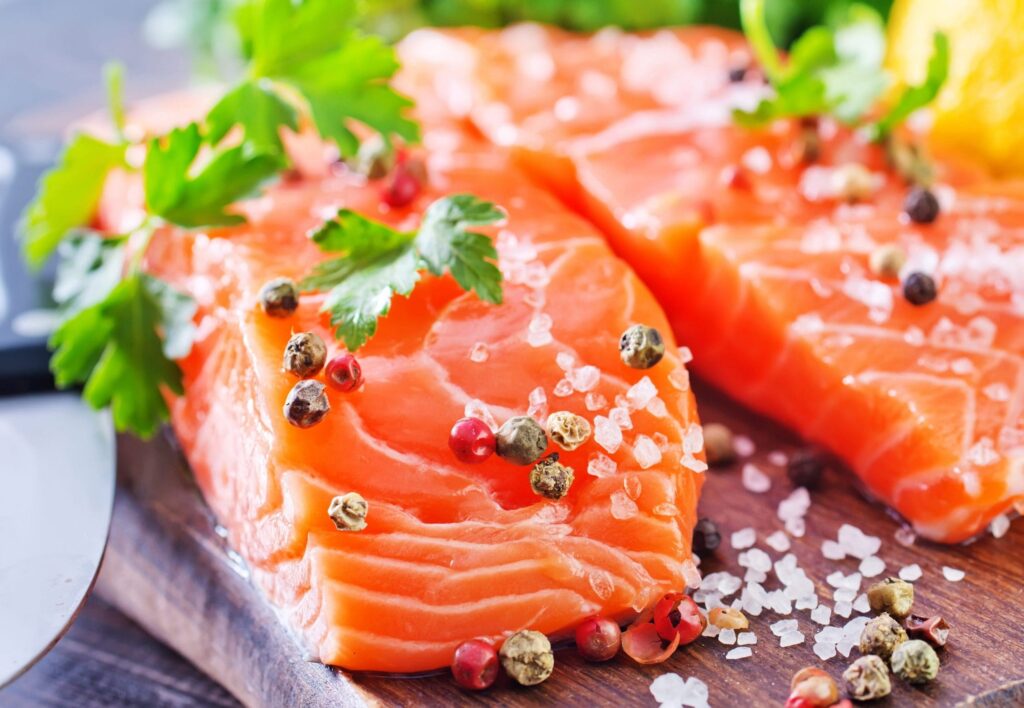
Oily fish are rich in omega-3s, especially EPA (eicosapentaenoic acid) and DHA (docosahexaenoic acid), known for their anti-inflammatory properties. Check out these fish species that are highest in omegas:
- salmon
- mackerel
- sardine
- herring
- Anchovies

There are two types of fatty acids that are essential for the body to function – omega-3 and omega-6 – but it’s important to consume them in the right balance. Vegetable oils and processed foods are rich in omega-6 fatty acids, but they are clearly consumed in excess in the Western diet.
We are lacking omega-3 fatty acids due to a decrease in oily fish intake, but balance is important to reduce inflammation. EPA and DHA are the basis for the synthesis of eicosanoids. Once these acids are part of the cell membrane, they are converted into eicosanoids by enzymes.
These (especially EPA) compete with omega-6 fatty acids (such as arachidonic acid) for the enzymes involved in the synthesis of eicosanoids, resulting in a reduced pro-inflammatory effect when consumed in high amounts, as opposed to omega-6.
EPA-derived eicosanoids exhibit distinct biological activities from arachidonic acid-derived eicosanoids. The former are generally less proinflammatory and less potent than the latter in acting as mediators of inflammation. EPA and DHA also act as precursors to specialized proinflammatory mediators that actively resolve inflammation and promote tissue repair.
These mediators orchestrate the resolution of inflammation, ensuring that the response is controlled and does not become chronic. Omega-3 fatty acids alter the immune response, influencing the activity of immune cells (macrophages, T cells, B cells), a way of reducing excessive inflammation by promoting a more balanced and controlled immune response.
For best results, try to include oily fish in your diet at least two to three times a week. Whether you eat it as a main dish or in a salad, sandwich, wrap or soup, it will have amazing health benefits. Of course, be sure to prepare your fish using healthy cooking methods like grilling, baking or broiling to preserve the fish’s natural flavor and nutrients.
Fatty fish has an excellent effect on cardiovascular disease as it lowers triglycerides and blood pressure. It also benefits rheumatoid arthritis sufferers by reducing joint pain and stiffness. The omega-3 found in fatty fish has a positive effect on inflammatory bowel diseases such as Crohn’s disease and ulcerative colitis.
Anti-Inflammatory Foods: Berries
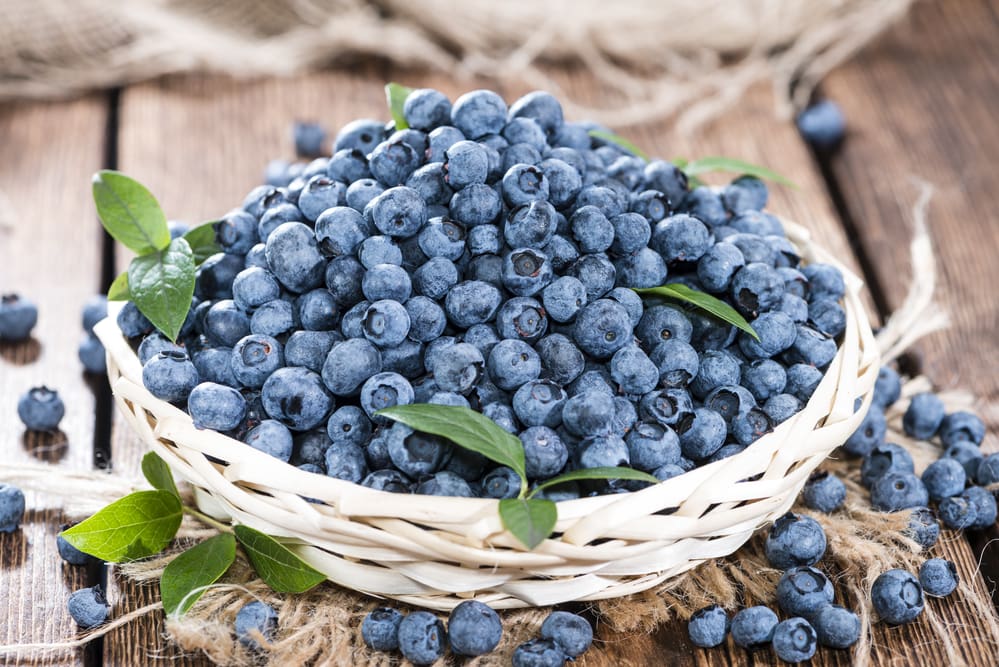
Berries are known to have powerful anti-inflammatory properties thanks to their high content of antioxidants and other bioactive compounds. They are rich in vitamin C, flavonoids and anthocyanins, which help neutralize harmful free radicals in the body by reducing inflammation and oxidative stress. All of these plant compounds are polyphenols, which have strong antioxidant properties.

Flavonoids inhibit inflammatory pathways in the body by reducing the production of inflammatory cytokines and enzymes. Cytokines actually play a key role in initiating and amplifying the inflammatory response, and flavonoids, by inhibiting cytokine production, reduce inflammation and repair tissues.
Anthocyanins, the pigments that give berries their vibrant color, inhibit the activity of enzymes involved in the production of pro-inflammatory mediators, i.e. they can stop the activity of enzymes responsible for the synthesis of pro-inflammatory eicosanoids.The next important mechanism is the modulation of inflammatory signaling pathways.
Anthocyanins synchronize the expression of genes involved in inflammation and immune response by reducing the production of cytokines and chemokines that tend to cause infection. Since inflammatory cytokines play a key role in initiating and enhancing the response, anthocyanins’ inhibition of their production directly calms inflammation.
Anthocyanins are potent enough to neutralize reactive oxygen species that are produced during the inflammatory process. These species are highly reactive molecules that have the ability to damage cells and tissues, causing stress and inflammation. By scavenging these species, anthocyanins protect cells from their harmful effects.
Ellagic acid is another important polyphenolic compound with similar anti-inflammatory properties, inhibiting inflammatory pathways and reducing the production of pro-inflammatory molecules.
As mentioned above, berries also contain vitamin C. Vitamin C protects cells and tissues from oxidative stress caused by free radicals, boosts immune function, and improves the body’s defenses against infection.
Stimulating the production and activity of white blood cells, lymphocytes, and phagocytes is essential for fighting pathogens in the body. Getting enough vitamin C is important for maintaining a strong immune system and reducing inflammation.
It is also an essential component for wound healing and tissue repair, as it promotes collagen production, which helps prevent infection and inflammation during the healing process, and promotes iron absorption, which is essential for healing infections.
There are many benefits to including a variety of berries in your diet, such as blueberries, strawberries, blackberries, raspberries, cranberries, acai berries, and blackcurrants. Berries are most nutritious when fresh, but making jams and juices from them is also a good idea.
Berries are incredibly effective against diabetes and insulin resistance because they reduce inflammation, which contributes to type 2 diabetes and insulin resistance. With that in mind, berries can help reduce the risk of certain cancers, especially breast, colon, and prostate cancer.
Anti-inflammatory foods: Ginger
Ginger has been one of the most popular ingredients in folk medicine for centuries due to its anti-inflammatory properties. Ginger contains interesting bioactive compounds such as gingerols, paradols and shogaols that stop the production of inflammatory cytokines and enzymes. These compounds regulate important inflammatory pathways in the body.
Gingerols, in particular, inhibit the synthesis of prostaglandins and leukotrienes, mediators of inflammation. By inhibiting the action of enzymes, ginger limits the production of these molecules.
Ginger’s antioxidant properties neutralize harmful free radicals that damage tissue and cause inflammation. In addition to its anti-inflammatory properties, ginger has analgesic properties, helping to relieve pain caused by inflammation. Traditionally, ginger aids in digestion, relieving nausea, indigestion, and bloating.


Ginger reduces swelling, which makes it great for treating arthritis, muscle pain, and menstrual cramps. It can easily be incorporated into your diet in the form of ginger tea, ginger lemon water, smoothies, and ginger shots. It can also be added to a variety of sweet and savory dishes.
Anti-inflammatory foods: avocado
Avocados are a superfood and one of the healthiest sources of fat. They are rich in monounsaturated fatty acids, especially oleic acid, which is known for its anti-inflammatory properties. Oleic acid regulates anti-infective pathways and gene expression, so consuming them reduces the levels of inflammatory markers in the blood.
Avocados contain a variety of polyphenols, including flavonoids, carotenoids, and phenolic acids. These are all antioxidants that neutralize free radicals, reduce oxidative stress, and inhibit the progression of inflammation. Avocado polyphenols are so powerful that they may protect against inflammation-related diseases, including diabetes and cancer.

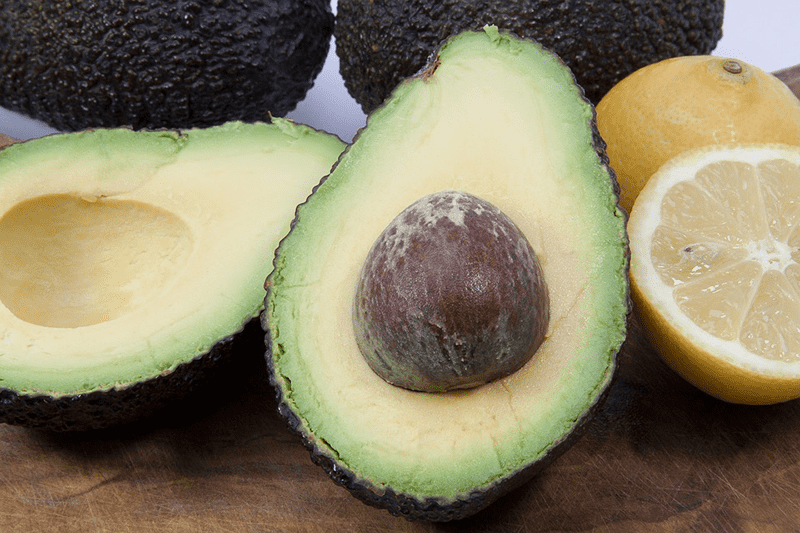
Avocados are also a good source of vitamin E, which helps protect cells and tissues from oxidative damage and inflammation, and inhibits the production of cytokines and enzymes that promote infection.
They’re also rich in soluble fiber, which helps regulate blood sugar levels, promotes satiety, and encourages the growth of good bacteria.
The next most abundant are phytosterols, which lower cholesterol levels, reduce vascular inflammation, and improve cardiovascular health. All these facts combined make avocados a great anti-inflammatory ingredient to include in your diet.
Regular consumption of avocados may help combat chronic inflammation linked to a variety of illnesses, including heart disease, arthritis, diabetes, and cancer.
Anti-inflammatory foods: Matcha
Matcha has become so popular recently that we see it everywhere, in drinks and desserts. Finely ground green tea leaves are not only beautiful to look at and incredibly tasty, but they are also packed with bioactive compounds that have anti-inflammatory properties. To be more precise, matcha and green tea come from the same plant (Camellia sinensis), but are grown in different ways.
Matcha leaves grow in the shade, giving them their vibrant color and being rich in chlorophyll, an antioxidant green pigment, and amino acids, which neutralize free radicals and act as a detoxifier.
Chlorophyll helps remove toxins from the body and directly reduces inflammation. It also has wound-healing effects by promoting tissue regeneration, relieving infections, and inhibiting the growth of harmful bacteria in wounds. By promoting the growth of beneficial bacteria in the intestines, chlorophyll may alleviate the symptoms of inflammatory bowel disease.
Matcha is rich in cathine, a powerful antioxidant that inhibits the production of inflammatory cytokines and enzymes. Like berries, matcha contains polyphenols known for their anti-infective and antioxidant properties. Finally, the amino acid L-theanine reduces stress-induced inflammation by harmonizing neurotransmitter and immune cell activity.
While matcha won’t cure you, it can help ease chronic inflammation associated with diabetes, cardiovascular disease, arthritis and cancer. It also promotes overall health and well-being, and lifts your mood.
