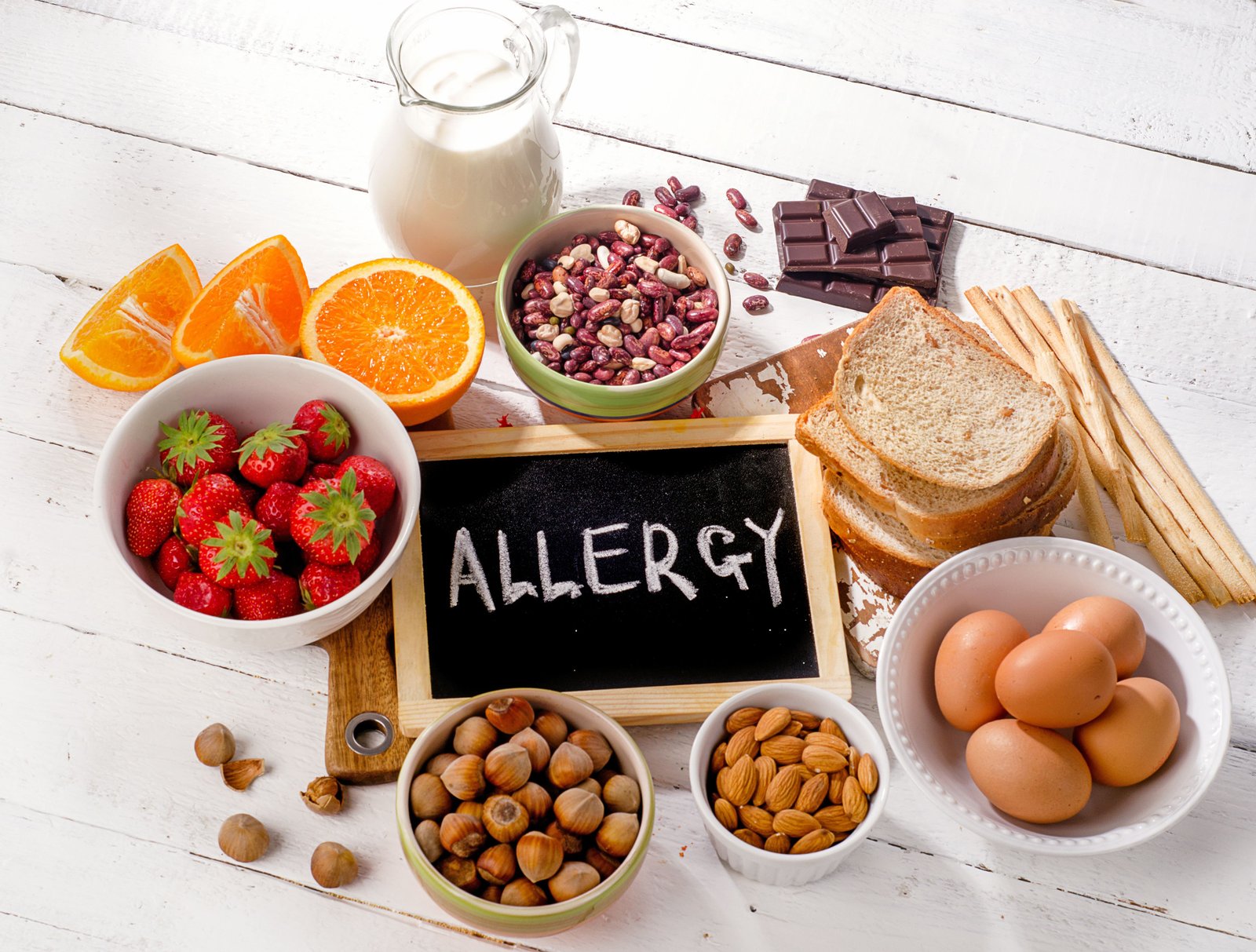
In the United States, approximately 6.2% of adults and 5.8% of children are reported to have a food allergy.1 According to the American College of Allergy, Asthma and Immunology, 90% of food allergies are caused by eight foods, including eggs, dairy products, peanuts, fish, shellfish and wheat.2 Because food allergy is a significant public health concern, it is important to understand how it affects patients’ quality of life and how it can be managed.
References
1. More than a Quarter of U.S. Adults and Children Have At Least One Allergy. News Release. CDC. January 26, 2023. Accessed May 23, 2024. https://www.cdc.gov/nchs/pressroom/nchs_press_releases/2022/20220126.htm
2. Food Allergy Overview. Report. American College of Allergy, Asthma and Immunology. Accessed May 23, 2024. https://acaai.org/allergies/allergic-conditions/food/
3. Casale TB, Warren C, Gupta S, et al. “The mental health burden of food allergy: Insights from patients and their caregivers from the Food Allergy Research and Education (FARE) Patient Registry.” World Allergy Journal. 2024;17(4):100891. Published March 23, 2024. doi:10.1016/j.waojou.2024.100891
4. Venter C, Meyer R, Bauer M, et al. Identifying children at risk for growth and nutritional deficiencies in a food allergy clinic. Journal of Allergy and Clinical Immunology. 2024;12(3):579-589. doi:10.1016/j.jaip.2024.01.027
5. Banerjee A, Wood R, Dunlop J, et al. Rates of new onset and discontinuation of allergies following introduction of peanut in high-risk infants. Journal of Allergy and Clinical Immunology. 2024;12(3):645-651.e1. doi:10.1016/j.jaip.2023.11.035
Source link