

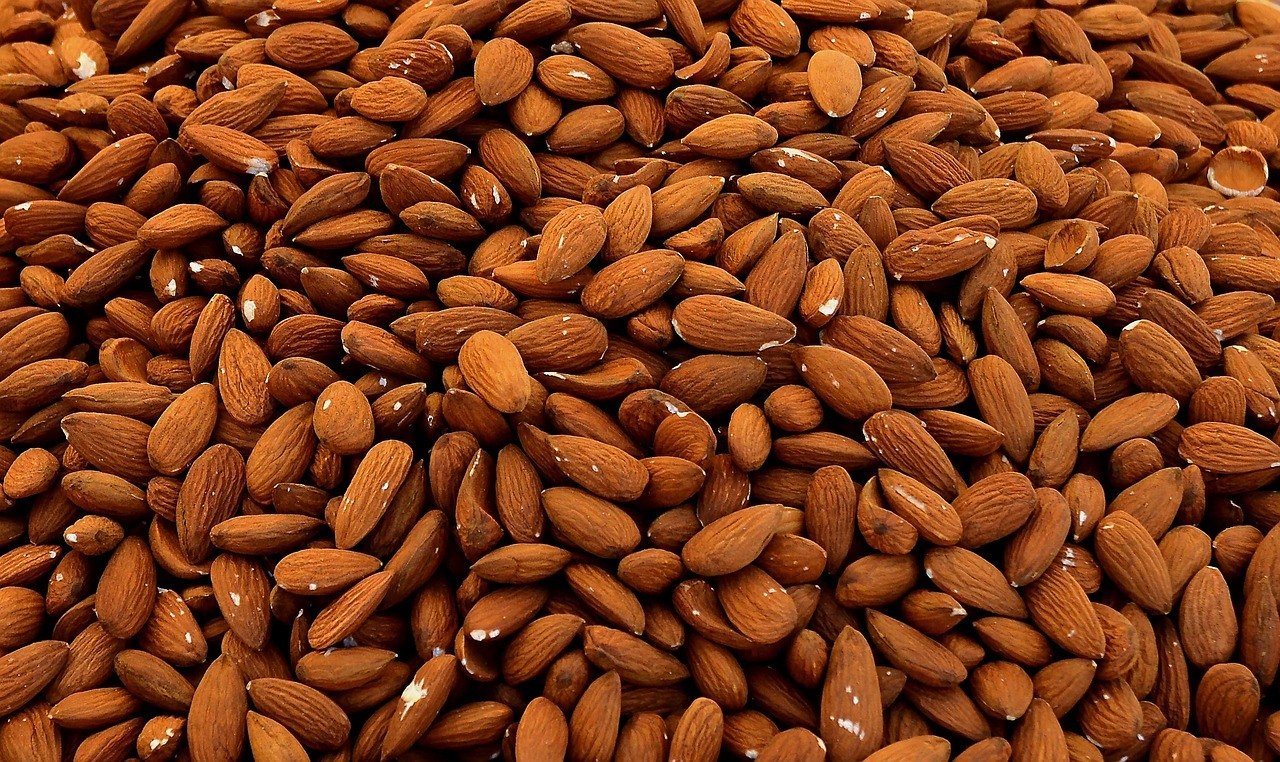
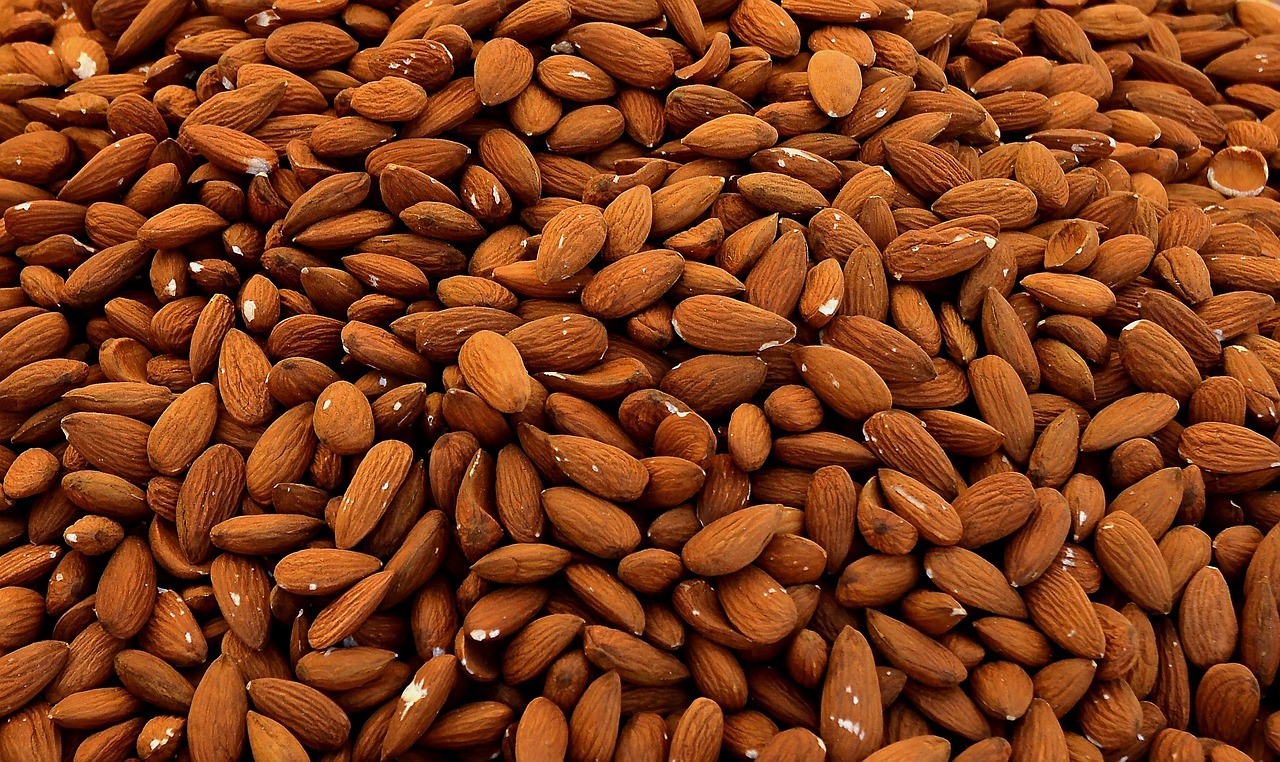
Almonds are the fruit of a tree native to the Mediterranean region. Historically, almond trees grew there and were cultivated as early as 3000 BC. Almonds are also mentioned in the first book of the Bible, Genesis, as a precious food given as a gift. The edible part of an almond is actually the seed of the stone fruit, and the outer shell and shell layers are usually the inedible fruit. After the almond seeds are extracted, the shell and husk are often used as livestock feed and bedding material.
sauce
One serving of almonds is 1 ounce, which is equal to about 23 almonds or 1/4 cup. In addition to being high in calories, they are also highly nutritious because most of the fat is monounsaturated. One ounce contains approximately 165 calories, 6 grams of protein, 14 grams of fat (80% monounsaturated, 15% polyunsaturated, 5% saturated), 6 grams of carbohydrates, and 3 grams of fiber.
Almonds and health
Almonds have been suggested to reduce the risk of heart disease by lowering total and LDL cholesterol and exerting anti-inflammatory and antioxidant properties. The plant sterols in almonds may interfere with the absorption of cholesterol and bile acids, and the high amount of unsaturated fats in almonds may help improve lipid profiles, especially when this food replaces other foods high in saturated fats and refined carbohydrates. Almonds also contain phytonutrients that support the growth of beneficial gut microbes. Controlled trials have shown that general nut consumption reduces inflammation, promotes vascular health, and reduces insulin resistance. [1]
Interestingly, even though nuts are high in calories, research does not support a link between nut intake and weight gain. In fact, because their fat and fiber content help improve feelings of satisfaction and fullness, they are thought to be associated with reduced weight gain and a lower risk of obesity. [1]
There is limited evidence examining almond intake in large populations. Small controlled trials have looked at almonds specifically, whereas large observational studies tend to look at nuts in general, as intakes of individual nuts are relatively low in populations. An observational study looking at nut intake found that people who ate nuts at least four times a week had a significantly lower risk of heart disease. [2] Small randomized controlled trials have shown that diets supplemented with nuts, including almonds, are consistently effective in reducing blood total and LDL cholesterol.
A large-scale epidemiological study conducted by medical experts that looked at common nut intake found that eating tree nuts, including almonds, at least twice a week was associated with a 13% lower risk of overall cardiovascular disease and a lower risk of coronary heart disease. It was found that the risk was reduced by 15%. [1] Another large prospective study of Swedish adults found that those who ate nuts once or twice a week had a 12% reduced risk of a heart rhythm abnormality called atrial fibrillation, and those who ate nuts three or more times a week It was found that the risk was reduced by 18%. With adults who don’t eat nuts. [4] Also, people who ate nuts once or twice a week had a 20% reduced risk of heart failure compared to people who didn’t eat nuts.
A meta-analysis found that higher nut intake was associated with a lower risk of total cardiovascular disease, total cancer, and all-cause mortality. These studies had conflicting results in terms of showing protective effects of nut consumption against diabetes, respiratory disease, stroke, and infections. [5-8]
Previous scientific evidence suggested that eating nuts might have a beneficial effect on heart disease, so in 2003 the U.S. Food and Drug Administration gave approval for manufacturers to state on food labels that eating 1.5 ounces per day of most nuts as part of a diet low in saturated fat and cholesterol may reduce the risk of heart disease. [9]
purchase
Almonds are available raw, blanched, dry roasted, and oil roasted. They can be purchased whole, sliced, chopped, or shredded. They are most often found plain or salted, but also come in flavors such as honey roasted, barbecue, chili, and chocolate covered, many of which can increase calories, sodium, and sugar. Raw almonds are nutritionally equivalent to dry roasted. Almonds are best stored in a cool, dark, dry place. Almonds can last for approximately two years when stored at temperatures below 40°F.
- Almond milk. This dairy-free plant milk is cholesterol and lactose free, so it may be appealing to those following a low-cholesterol diet or those with lactose intolerance. Crush the almonds with water and strain to remove the almond pulp. The remaining liquid is fortified with nutrients such as calcium and vitamins A and D. The best choice is unsweetened almond milk, but many products have added sweeteners, so be sure to check the nutrition panel.
- Almond butter. Almond butter has a similar consistency to peanut butter, but can serve as a substitute for people with peanut allergies. Jarred almond butter is typically more expensive than peanut butter, with prices ranging from $5 to $15.
- For a less expensive option, try DIY almond butter. Grind 1 pound of dry roasted almonds in a food processor or high-powered blender, starting on low speed and gradually increasing the speed. Pause to scrape the sides of the processor to break down any larger pieces. It may take a few minutes for the consistency to turn into a paste. The longer you blend, the more oils will be released and the smoother the paste will become. You can also add spices like cinnamon, nutmeg, vanilla extract, or curry for a unique flavor. Store in the refrigerator for 2 to 3 weeks.
- Almond flour or almond meal. Made from finely ground almonds, this flour substitute is gluten-free and low-carb. Almonds have been blanched with their skins removed, giving them a finer texture. Although it is more nutritious than wheat flour, it is also higher in calories and fat. Almond flour has a higher moisture content than all-purpose flour, so more is usually needed when using it in place of other flours in recipes. Generally, ¾ cup of all-purpose flour is equivalent to about 1 ½ cups of almond flour. Store it in an airtight container, as the excess moisture in almond flour can cause baked goods to spoil or grow mold. Almond flour can be stored in an airtight container in the refrigerator for up to 6 to 9 months. Freezing may extend the shelf life even further.
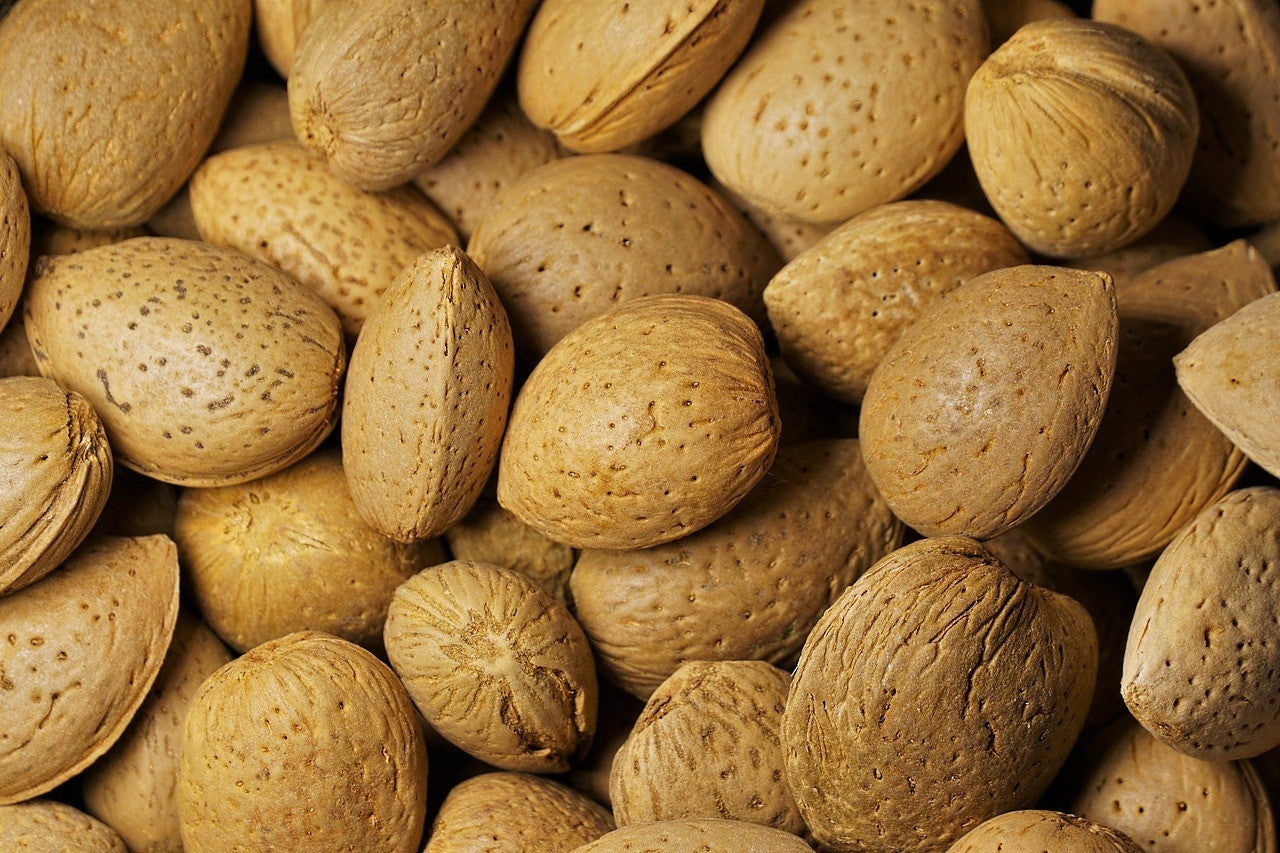 Almonds are available raw, blanched, dry roasted, and oil roasted. They can be purchased whole, sliced, chopped, or shredded. They are most often found plain or salted, but also come in flavors such as honey roasted, barbecue, chili, and chocolate covered, many of which can increase calories, sodium, and sugar. Raw almonds are nutritionally equivalent to dry roasted. Almonds are best stored in a cool, dark, dry place. Almonds can last for approximately two years when stored at temperatures below 40°F.
eat
- Chopped or shredded unsalted almonds can be found in the baking aisle and are an easy topping for hot and cold cereals, salads, and baked goods.
- Spread almond butter on sliced apples or whole wheat toast. For a richer-tasting oatmeal, add 1 tablespoon of almond butter as soon as the oatmeal is cooked and stir.
- Instead of less-healthy snacks like chips and pretzels, try almonds for their crunch and nutritional value.
- Try using almond flour in place of all-purpose flour in baked goods or battering fish.
- More recipe ideas and presentation suggestions using almonds:
Did you know that?
- California is the world’s largest almond producer, producing 80% of the world’s almond supply.
- Almond trees are completely dependent on honey bees and wild bees for flower pollination and almond drupe growth.
- Of all almond products, almond milk and almond butter are experiencing the greatest growth in consumer demand. Almond milk sales increased by 250% between 2011 and 2015, and almond butter production tripled since 2011. [10]
related
Heart-healthy nuts
terms of service
The content on this website is for educational purposes only and does not provide personal medical advice. You should seek the advice of your physician or other qualified health provider with any questions you may have regarding a medical condition. Never disregard professional medical advice or delay in seeking it because of something you have read on this website. Nutrition Source does not endorse or recommend any products.
