

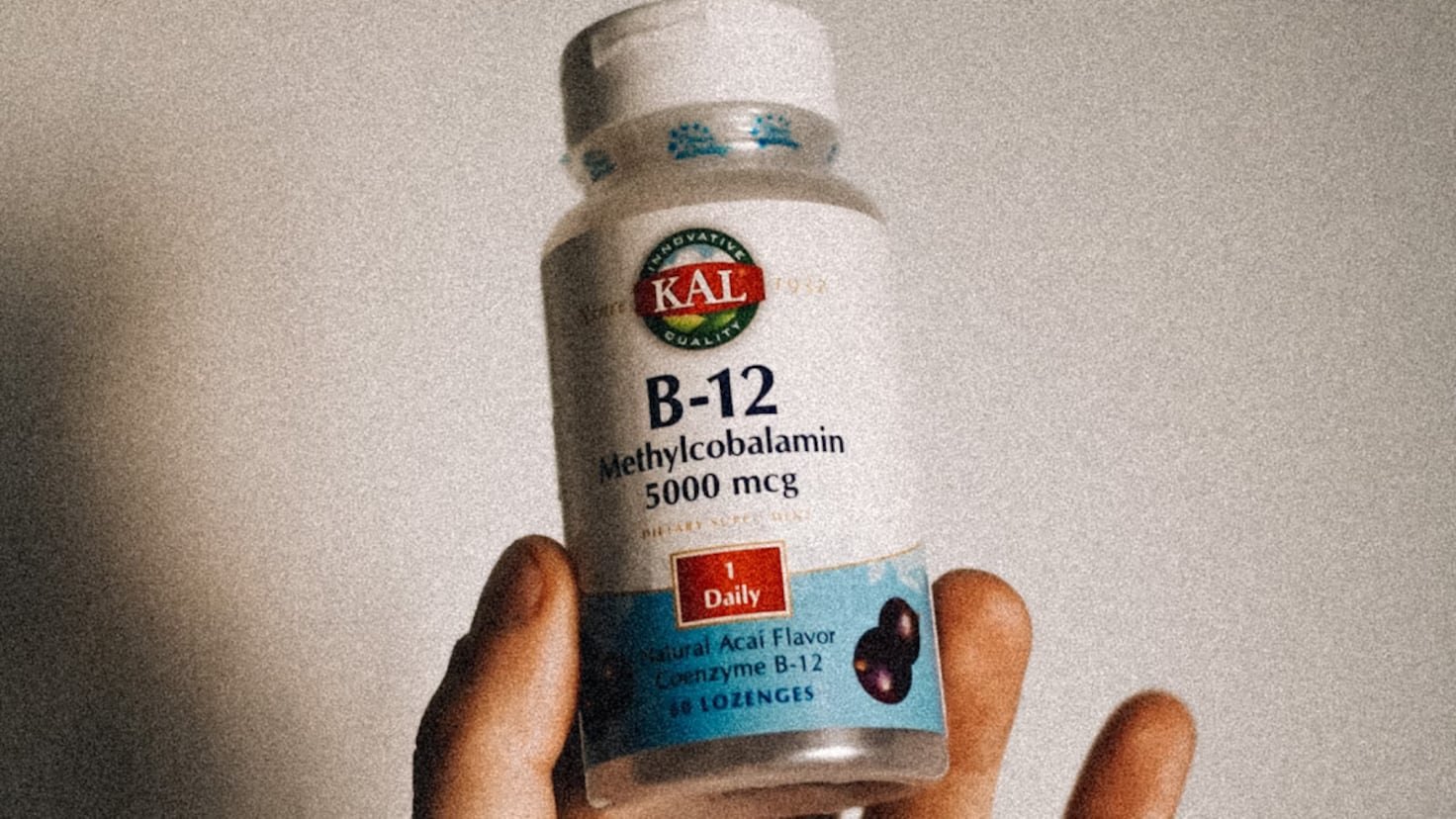
Due to factors such as an unbalanced diet and stress, humans often fall short of the recommended minimum amount of vitamins they need.in the case of vitamin B12, Additionally, a deficiency can be a serious problem.
Vitamin B12 is “transcendental” Formation of red blood cells and maintenance of the central nervous system, explain Maria Aguirre, nutritionist at BluaU de Sanitas; Furthermore, the role is The “key” in cellular metabolism and DNA and RNA synthesis, She added:
Given the role this substance plays in the body, Aguirre asserts that ensuring adequate supply is “critical.” balanced diet Includes foods such as meat, fish, dairy products, eggs, or through supplements if medically recommended.
Foods containing vitamin B12
As detailed by nutritionists, vitamin B12 is It is produced primarily by microorganisms present in the soil and in the digestive tracts of animals such as cows and sheep. These microorganisms synthesize it from compounds such as cobalt and other nutrients present in the environment. Therefore, animals that consume food containing these microorganisms or graze on cobalt-rich soils Absorbs vitamin B12 and stores it in tissues and organs.
When humans consume animal foods containing vitamin B12, this substance is absorbed in the small intestine and transported to the liver where it is stored. From there it is distributed to organizations. Foods containing vitamin B12 teeth:
- meat: The liver is an “excellent” source of vitamin B12, Aguirre details. Additionally, red meats such as beef, chicken, and pork also contain this substance.
- fish: This vitamin is abundant in salmon, trout, and tuna.
- dairy products: Milk, cheese, and yogurt are “good sources” of vitamin B12.
- egg: Contains a “significant” amount of this substance.
but, For those following a vegetarian or vegan diet, it may be “more difficult” to get the vitamin B12 you need. Nutritionists warn that you get it from natural sources. In these cases, it is “important” to consider using supplements or fortified foods.
Excess vitamin B12
As we have seen, vitamin B12 is essential for the proper functioning of the body, so the benefits of vitamin B12 are numerous. However, too much vitamin B12 can cause some “mild” side effects, such as: Headache, nausea, vomiting, diarrhea, stomach upset. of course, Although they are usually “very rare” symptoms, Showing nutritionist.
Additionally, in “very rare” cases or people with “certain medical conditions” such as kidney disease, Excessive accumulation of vitamin B12 It can cause the following symptoms in the body:
- disorders of the nervous system,
- changes in blood coagulation,
- Cardiovascular complications.
Vitamin B12 deficiency
A lack of vitamin B12 can result in: Megaloblastic anemia (abnormally large red blood cells) or Irreversible neurological damage. ” To prevent this, Aguirre says, you should consider that the recommended daily intake of vitamin B12 “varies depending on age, gender, and other individual conditions.”
For “most adults” The recommended daily intake is at least 2.4 micrograms. (mcg) However, during pregnancy and lactation, these requirements may increase slightly to 2.6 and 2.8 mcg, respectively. Vitamin B12 deficiency Common signs may appear:
- Malaise,
- muscle weakness,
- Numbness or tingling in the hands and feet,
- memory and concentration problems,
- Changes in mood (depression, irritability, etc.).
