

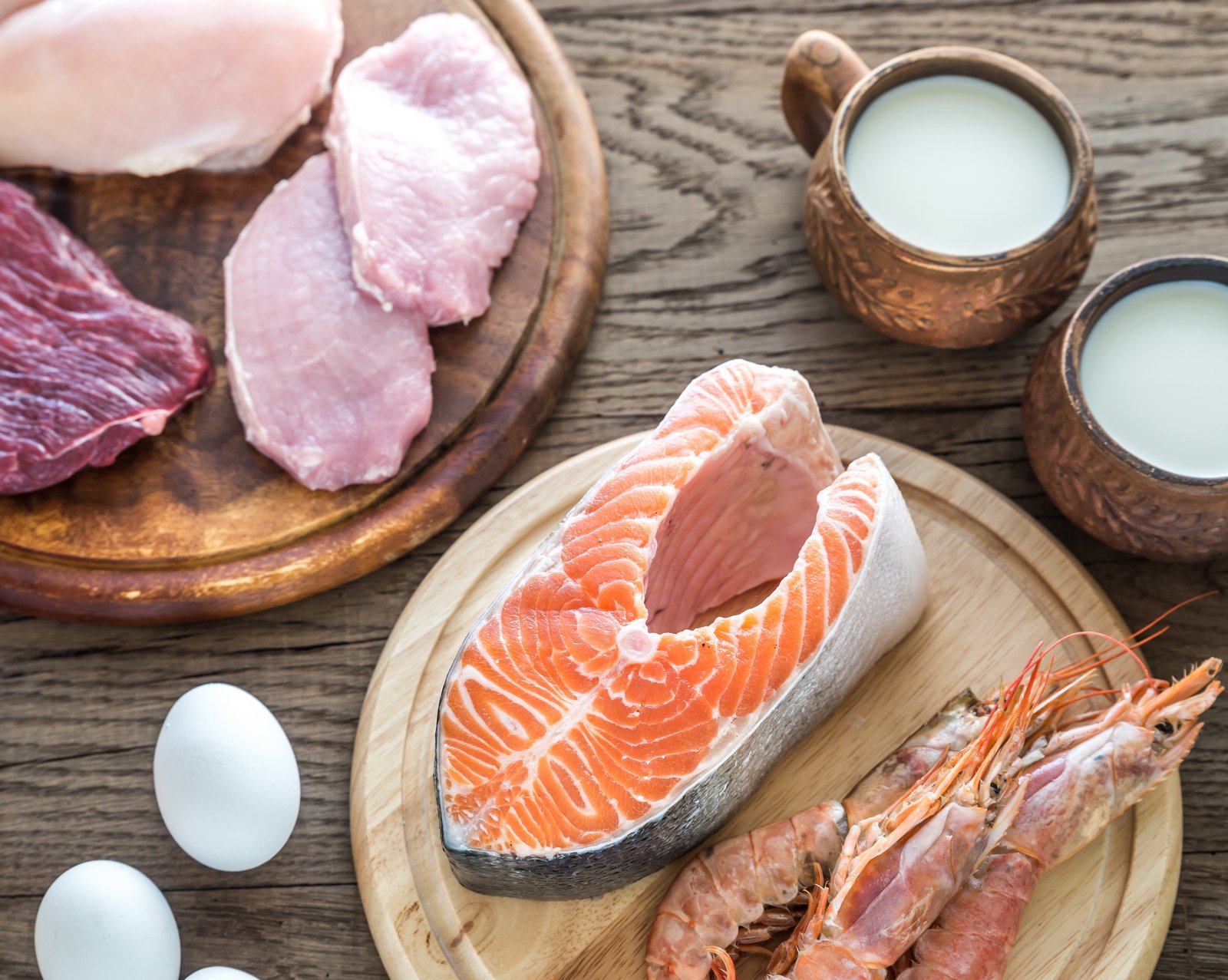

Vitamin B12, or cobalamin, occurs naturally in animal foods. It can also be added to foods and supplements. Vitamin B12 is required for the formation of red blood cells and DNA. It also plays an important role in the function and development of the brain and nerve cells.
Vitamin B12 binds to proteins in the foods we eat. In the stomach, hydrochloric acid and enzymes unbind vitamin B12 to its free form. From there, vitamin B12 binds to a protein called intrinsic factor, allowing it to be further absorbed in the small intestine.
Supplements and fortified foods contain free B12, which may be more easily absorbed. A variety of vitamin B12 supplements are available. Some claim that certain forms, such as sublingual tablets or liquids that are placed under the tongue and absorbed through the tissues of the mouth, are better absorbed than traditional tablets, but studies have not shown a significant difference. Vitamin B12 tablets are available in high doses that far exceed the recommended dietary allowance, but these high doses are not necessarily the amount that will be absorbed, since sufficient amounts of intrinsic factor are also required. not. In cases of severe vitamin B12 deficiency (pernicious anemia) due to a lack of intrinsic factor, your doctor may prescribe intramuscular injections of vitamin B12.
Recommended amount
RDA: The recommended dietary allowance for men and women over the age of 14 is 2.4 micrograms (mcg) per day. During pregnancy and breastfeeding, the amount increases to 2.6 and 2.8 micrograms per day, respectively. [1]
UL: The tolerable upper intake level (UL) is the maximum daily dose that is unlikely to cause adverse side effects in the general population. There is no established toxicity level for vitamin B12, so no upper limit has been set. However, there is also evidence to suggest that taking more than 25 mcg of supplements per day may increase the risk of bone fractures. [2]
Vitamin B12 and health
food source
Signs of deficiency and toxicity
deficiency
Measuring blood vitamin B12 is not the best way to determine if you are deficient, because some people who are deficient in vitamin B12 may have normal blood vitamin B12 levels. Blood levels of the protein breakdown products methylmalonic acid and homocysteine are good markers of actual vitamin B12 activity. These values increase with vitamin B12 deficiency. It is estimated that up to 15% of the general population is vitamin B12 deficient. [1]
Factors that can cause vitamin B12 deficiency:
- Avoid animal foods. People who don’t eat meat, fish, poultry, or dairy products are at risk of vitamin B12 deficiency, as it occurs naturally only in animal foods. Studies have shown that vegetarians have lower blood levels of vitamin B. [5] For this reason, people who follow a vegetarian or vegan diet should include vitamin B12-fortified foods or vitamin B12 supplements in their diet. This is especially important for pregnant women because the fetus requires sufficient vitamin B12 for nervous system development and deficiency can lead to permanent nervous system damage.
- Lack of intrinsic factors. Pernicious anemia is an autoimmune disease that can attack and destroy intestinal cells such that intrinsic factor, which is essential for the absorption of vitamin B12, is absent. When vitamin B12 deficiency occurs, other types of anemia and neurological disorders can occur. Using high doses of B12 supplements will not solve the problem because intrinsic factor is not available to absorb B12.
- Insufficient stomach acid or drugs that lower stomach acid. A more common cause of B12 deficiency, especially in older adults, is a lack of stomach acid. This is because stomach acid is required to liberate vitamin B12 from food. An estimated 10-30% of adults over the age of 50 have difficulty absorbing vitamin B12 from food. [1] People who regularly take medications to suppress stomach acid (such as proton pump inhibitors, H2 blockers, and other antacids) for conditions such as gastroesophageal reflux disease (GERD) or peptic ulcers may be advised to reduce Vitamin B12 may be difficult to absorb. These drugs may slow the release of stomach acid or reduce stomach acid production. In theory, this could prevent the vitamin from being released into a freely usable form in the stomach. However, studies have not shown an increased prevalence of deficiencies in people using these drugs. People who have been using these drugs for a long time and who are at risk for vitamin B12 deficiency for other reasons should be closely monitored by a doctor. You may also choose to use fortified foods and supplements that contain vitamin B12. This is because these forms are usually well absorbed and do not require stomach acid.
- Intestinal surgery or digestive disorders that cause malabsorption. Surgery that affects the stomach, where intrinsic factor is made, or the ileum (the last part of the small intestine), where vitamin B12 is absorbed, can increase the risk of vitamin B12 deficiency. Certain diseases that negatively affect the gastrointestinal tract, such as Crohn’s disease and celiac disease, also increase the risk of deficiency.
- Drugs that interfere with absorption. Long-term use of metformin, a commonly prescribed drug for type 2 diabetes, is strongly associated with vitamin B12 deficiency and low folate levels, as it can inhibit absorption, and is associated with increased homocysteine levels. May lead to cardiovascular disease risk. [6] Proton pump inhibitors and histamine blockers, which are prescribed to reduce stomach acid, are also associated with decreased vitamin B12 levels.
Signs of deficiency include:
- Megaloblastic anemia – A condition in which red blood cells are larger than normal in size and in lower than normal quantity. This occurs due to lack of vitamin B12 in the diet or insufficient absorption.
- Pernicious anemia – a type of megaloblastic anemia caused by inability to absorb vitamin B12 due to a lack of intrinsic factor
- fatigue, weakness
- Nerve damage with numbness or tingling in the hands and feet
- memory loss, confusion
- dementia
- depression
- seizure
toxicity
Vitamin B12 is a water-soluble vitamin, so the unused amount is excreted from the body in the urine. It is generally considered safe to take up to 1000 mcg per day in oral tablets to treat deficiencies. The Institute of Medicine states that “no adverse effects have been reported from excessive intake of vitamin B12 from foods or supplements in healthy people.” [1] However, it’s important not to start any high-dose supplements of any kind without checking with your doctor first.
Did you know that?
- AB vitamin complex supplements are often touted to boost energy levels and mood. People who are deficient in vitamin B may feel an increase in energy levels after using the supplement, as vitamin B is directly involved in the production of healthy blood cells and can correct anemia if present. there is. However, there is no evidence that extra B vitamins are beneficial for people without deficiencies.
- Those eating a vegan diet are often told to include brewer’s yeast or nutritional yeast due to its B12 content. However, yeast does not contain this vitamin naturally, and only when it is fortified with the vitamin. Note that certain brands, but not all, contain B12.
- Nori, the dried edible seaweed used to make sushi rolls, is sometimes touted as a plant source of vitamin B12. It contains a small amount of active vitamin B12, but the amount varies depending on the type of seaweed, and some seaweeds do not contain it. Therefore, it is not considered a reliable food source.
related
vitamins and minerals
Last reviewed: March 2023
terms of service
The content on this website is for educational purposes only and does not provide personal medical advice. You should seek the advice of your physician or other qualified health provider with any questions you may have regarding a medical condition. Never disregard professional medical advice or delay in seeking it because of something you have read on this website. Nutrition Source does not endorse or recommend any products.
