

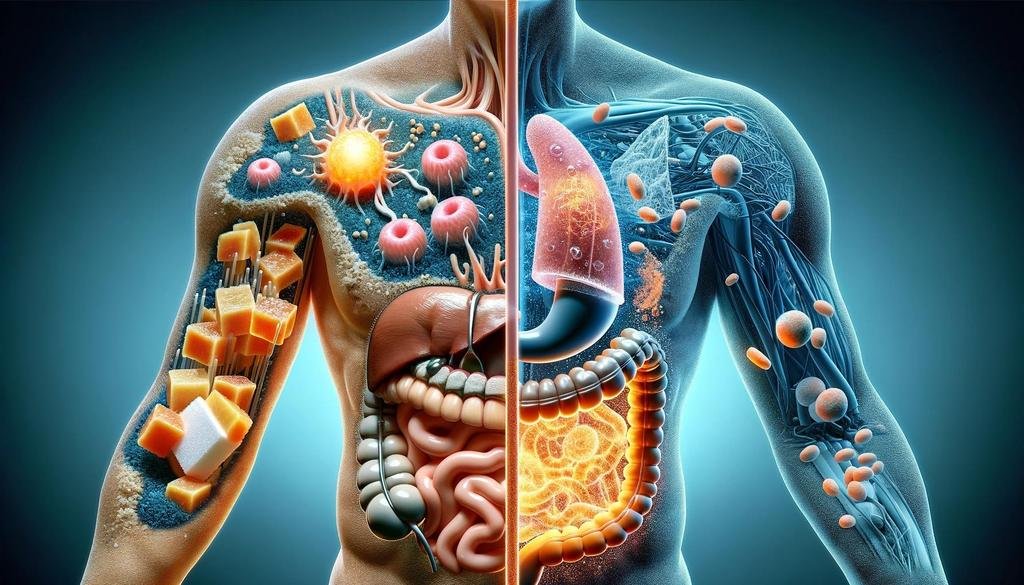
Recent groundbreaking research has revealed the complex role of sweet taste receptors, specifically TAS1R2-TAS1R3, in regulating glucose metabolism and influencing fat and sugar cravings. These findings shed light on how this receptor regulates insulin release and how the gut-brain axis transmits dietary signals, potentially targeting metabolic diseases such as diabetes and obesity. This could pave the way for innovative treatments. Understanding these mechanisms opens new frontiers in nutritional science and allows for personalized dietary strategies and therapeutic interventions to combat the health impacts of modern diets.

Sweet taste receptors: dual role in metabolism
In recent years, remarkable progress has been made in understanding the sweet taste receptors TAS1R2-TAS1R3 and their important role in regulating glucose metabolism. A study published in PLOS ONE in May 2024 reveals how this receptor influences not only taste buds but also the metabolic function of the intestines. This receptor promotes insulin secretion when stimulated by sweeteners such as sucralose, but can slow insulin release when inhibited by compounds such as lactisol. This dual action suggests that targeting these receptors may lead to novel treatments for metabolic disorders such as diabetes.
Appearance beyond the tongue
TAS1R2-TAS1R3 receptors are well known for their role in conveying sweet taste to taste buds. However, its presence in the intestine acts as a sugar sensor that facilitates glucose absorption. Overstimulation of this receptor by the common artificial sweetener sucralose has been shown to increase plasma insulin response during glucose tolerance testing in humans. Conversely, the sweet taste inhibitor lactisol lowers plasma glucose levels by inhibiting the activity of this receptor.
The fact that the activity of this receptor is bidirectional, that is, it promotes or inhibits glucose metabolism based on stimulation, opens up interesting possibilities for metabolic regulation. Researchers observed that people who found sucralose sweet tended to have greater insulin and glucose responses when the sweetener was part of their diet.
As stated by Rutgers University’s Dr. Paul Breslin, who led the study, manipulating these receptors could be an innovative way to manage metabolic diseases by enhancing the body’s ability to predict and process dietary glucose. approaches may be provided.
The enteric nervous system and gut microbiota: a complex network that drives cravings
Parallel to the findings regarding TAS1R2-TAS1R3 receptors, there is another notable finding that suggests that the enteric nervous system (ENS) and gut microbiota are involved in unhealthy food cravings. Countless published studies highlight the unique gut-brain pathways that dictate our appetite for fat and sugar, promote overeating, and lead to metabolic disorders such as obesity.
Communication between the gut and the brain
The intestine has a line that connects directly to the brain via the vagus nerve. This nerve serves as an important pathway for transmitting signals between the intestines and the central nervous system (CNS). It appears that the gut can detect the presence of fats and sugars and relay that information to the brain, thereby regulating our desire to consume more. This discovery was substantiated by experiments using genetically modified mice, which showed that appetite was reduced when certain gut-to-brain communication pathways were blocked.
This gut-brain axis involves neurons in the brainstem and enteroendocrine cells in the intestine, which release hormones in response to the presence of fats and sugars. These hormones interact with the gut microbiome and influence neurotransmitter production, which in turn influences mood and behavioral responses to food.
Connecting gut health and mental health
As new research highlights the profound impact that the gut microbiome has on overall health, one key area gaining attention is the link between gut health and mental health. Numerous studies have shown that the gut microbiota is crucial for the production of neurotransmitters such as serotonin and gamma-aminobutyric acid (GABA). These neurotransmitters are important regulators of mood and mental health. An imbalance in gut bacteria can disrupt the levels of these neurotransmitters, leading to mood disorders such as depression and anxiety.
The role of gut microbiota in mental health
The gut-brain axis is a complex communication system that connects the gastrointestinal tract and the central nervous system. This network indicates that the balance of the gut microbiota can have a profound impact on brain function. A healthy gut microbiome positively impacts mental health by supporting neurotransmitter production and reducing inflammation that is often associated with symptoms of depression.
Dietary interventions aimed at promoting a healthy gut microbiome, such as probiotics and prebiotics, not only boost metabolic health, but may also improve mental health. Probiotic supplements and fermented foods can increase levels of beneficial bacteria, which in turn boosts neurotransmitter production and stabilizes mood. Conversely, foods rich in prebiotics provide the essential nutrients needed for the growth of these beneficial bacteria.
Impact on health and nutrition
The synergistic insights gained from these studies suggest potential future applications that could revolutionize the way we approach nutritional and metabolic health. Understanding these pathways provides the basis for interventions that can reduce overconsumption of unhealthy foods and more effectively address metabolic disorders.
Potential therapeutic approaches to these findings
1. Therapeutic targeting of TAS1R2-TAS1R3 receptors:
Developing drugs and dietary interventions that modulate the activity of this receptor could enhance the insulin response and maintain blood sugar levels within a healthy range in people with diabetes. Additionally, manipulating this receptor may also help reduce insulin resistance, a common challenge in diabetes management. Targeted approaches based on a growing understanding of sweet taste receptors have the potential to achieve better metabolic control and improve the quality of life of diabetic patients.
2. Modulation of gut-brain signals:
Knowledge of the gut-brain axis could be used to develop new treatments to reduce cravings for high-fat and high-sugar foods, potentially helping in the fight against obesity. By interfering with the gut-to-brain signaling pathways that trigger these cravings, we may be able to reduce overeating and promote healthier eating habits. Understanding the communication pathways between the gut and brain regarding nutrient consumption is critical to devising effective methods to maintain a healthy balance of gut bacteria. This helps promote metabolic health and reduce risks associated with obesity.
3. Probiotics and prebiotics:
Given the important role of the gut microbiome in metabolic health, fostering a healthy gut microbiome through a diet rich in probiotics and prebiotics can help maintain a balanced metabolism and reduce IBD. It helps prevent diseases such as diabetes and type 2 diabetes. These dietary strategies can increase the amount of beneficial bacteria that are essential for proper digestive and immune function.
A healthier gut microbiome may influence the production of key neurotransmitters and hormones, further supporting overall metabolic health, and reducing depressive symptoms and other mood disorders.
- Probiotics for mood regulation: Incorporating probiotics into your diet can help restore a healthy balance of gut bacteria, which may reduce symptoms of depression and anxiety. Clinical research increasingly supports the use of certain probiotic strains in improving mental health.
- Prebiotics that strengthen intestinal function: Prebiotics support the growth of beneficial gut bacteria, promoting an environment conducive to the production of mood-regulating neurotransmitters. Fiber-rich foods such as fruits, vegetables, and whole grains serve as good sources of prebiotics.
4. Individualized nutrition plan:
Insights into individual differences in taste perception and metabolic responses to sweeteners could lead to personalized dietary recommendations aimed at optimizing metabolic health on a case-by-case basis. This personalized approach involves tailoring sweetener intake to how an individual’s TAS1R2-TAS1R3 receptors respond, thereby enhancing glucose control and eliminating negative metabolic effects. This may include minimizing.
Such customized meal plans may help address individual differences in appetite and insulin sensitivity, thereby leading to more effective prevention and management of metabolic disorders such as diabetes and obesity. By understanding and leveraging the relationship between gut health and mental health, you can develop personalized nutritional approaches to enhance both physical and mental health. This holistic view of health emphasizes the importance of maintaining a balanced gut microbiome to support overall well-being.
Health implications: sweet taste receptors and the relationship between the gut and the brain
A closer look at the complex relationship between sweet taste receptors and the gut-brain axis reveals deep connections and the profound impact that diet has on overall health. Ongoing research is revolutionizing our understanding of metabolic mechanisms and opening the door to innovative therapeutic interventions that promise to improve global health outcomes.
These collaborative research efforts are leading us to comprehensive solutions to reduce the health impacts of modern dietary patterns. This journey towards progress takes me into the future where scientific advances not only guide our dietary decisions, but also reveal how our bodies metabolize and respond to these choices. We are promoting our Ultimately, this knowledge aims to optimize our health and promote overall well-being.
