

This election season, politicians are freely promising freebies without considering where the money will come from.
If all resources are really used for prizes, will there be anything left for the development of the country? This is not the content of the Indian Sanaatana tradition.
Ancient India had a monarchy, but the king did not have absolute power. He had an advisory ministerial council that included spiritual advisors.
The eldest son does not necessarily become the king. The most worthy person was chosen as king. If the king had no qualified son, any prominent citizen could be approached to become king. The king himself and his council of ministers would do it.
Obviously, that system was very different from what we have today. Leaders did not have to beg for votes by promising freebies. They were free to work for the development of the country.
The king’s most important role was to ensure that the rule of law existed and extended to all parts of the country. All citizens, including the king himself, were subject to this law.
That was Rama Raja. That doesn’t mean everything was perfect. There was equality in the sense of equal opportunity to develop one’s talents and equal educational opportunities, which were free and subsidized by the state. People were free to follow any profession of their choice and even change professions if necessary.
Was it a utopia? No, there were restrictions, but the government focused on development. Everyone thought of the nation first. Unlike today, where vested interests are trying to tear the country apart.
Will we ever have a government that puts the nation first?
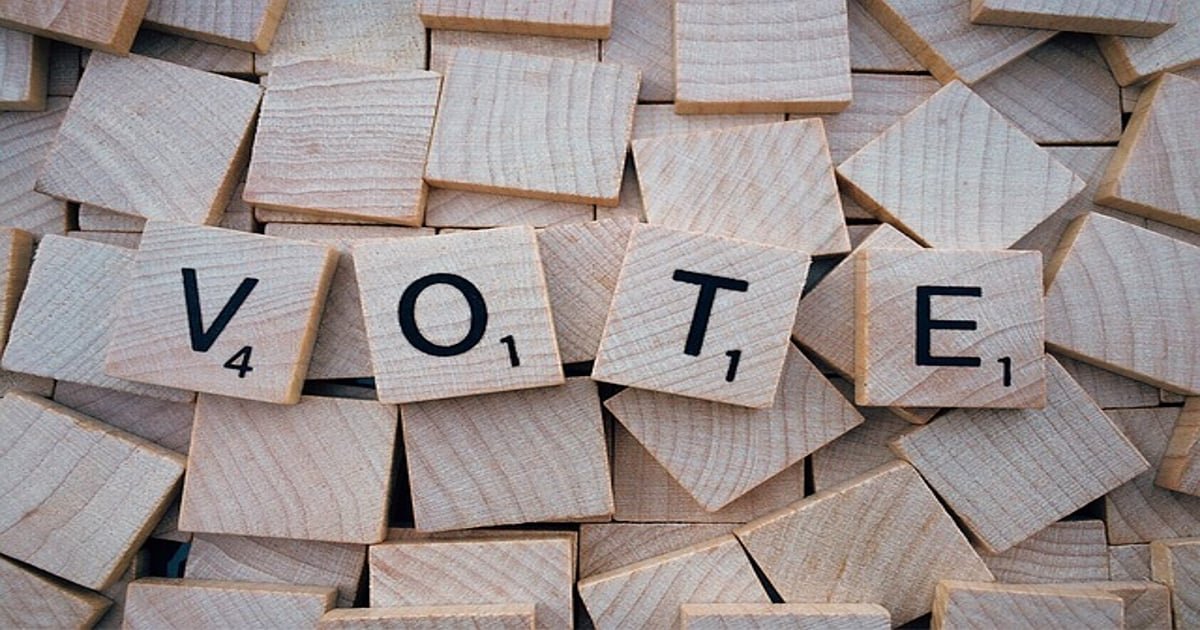
There are many ways everyone can get involved in politics, and each person needs to find the method that works for them. The bare minimum required is a vote.
It was not only a civic responsibility, but in ancient times it was also a religious and spiritual duty.
The author is the founder of Aarsha Vidya Foundation. Email us at aarshavidyaf@gmail.com.
Published on: Friday, May 17, 2024, 6:00 AM IST
