What is zazen?
There are many different forms of meditation that can foster stillness and provide an opportunity to create more space in your life. One such form, zazen, includes both external and internal instructions on how to focus on the direct, uninterpreted experience of the present moment. Zazen is the practice of being awake but letting go and experiencing present moment consciousness without thoughts or stories.
Zazen, the central form of meditation in Zen Buddhism, is usually combined with study or instruction to increase the clarity of the practice. Zazen often includes specific exercises, such as counting your breath, to focus your attention and develop concentration.
Effects of zazen
Meditation’s many practical benefits have gained attention recently. It reduces stress, lowers blood pressure, and is effective for depression, anxiety, and anger. These are all good reasons to meditate, but at the end of the day, Buddhists practice zazen and other forms of meditation to explore what Buddhism calls our true nature, which transcends self-identity through self-imposed limitations. recognize things. From a Buddhist perspective, our main problem is clinging to a false idea of who we are and what we need to do to maintain this delusion.
To truly progress in zazen, one must make a real commitment to the practice. We may not notice dramatic changes in our lives right away, but that’s okay. One aspect of our practice is approaching it with a balance of effort and patience. To find something beyond our self-concepts, we need to engage in our own practical experience. No amount of well-written books or articles can replace it.
How to do zazen
Start with 10 minutes a day for the first week, preferably sitting in the morning. As the practice progresses, gradually let him practice up to 20-30 minutes a day. Here are some simple steps to get started.
space
Find a quiet space to sit. It may be helpful to create an uncluttered space by eliminating as many distractions as possible. Our efforts to create a clear and peaceful space on the outside reflect our consideration for our practice and also support the inner aspects of zazen.a Japanese cushion (soft mat) and Zaf (Cushion) Supports sitting upright.
posture
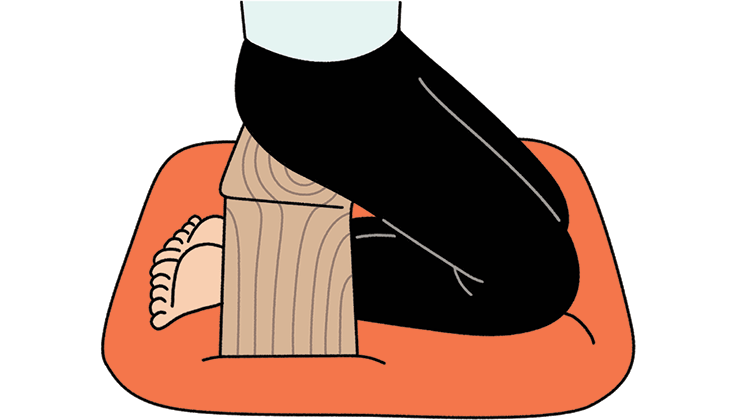
Pay close attention to your body and posture. If you’re just starting out, try different sitting positions to find one that’s comfortable for you. You have several options. Sit with your legs crossed so that each leg rests on the opposite thigh (full lotus position). Sit with one leg resting on the opposite calf (half lotus position). Sit on your knees with your legs crossed underneath you and straddle a saddle-like cushion. Sit on a low bench with your feet tucked under the bench. Or sit in a chair with your back straight.
comfortable
The best sitting position for you depends on your flexibility. Stretching before sitting down can reduce pressure and discomfort. As your meditation practice evolves, the pain you may initially experience becomes less of an issue. It may feel a little strange to stretch your arms and legs, but your body will gradually get used to it.
Note
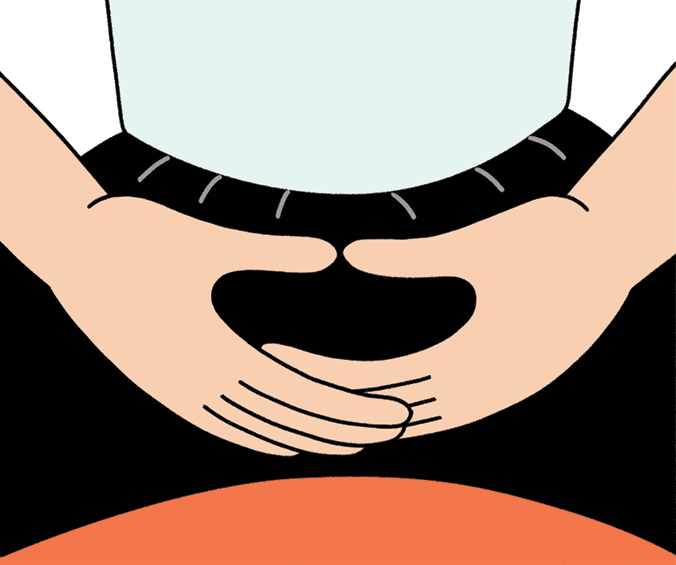
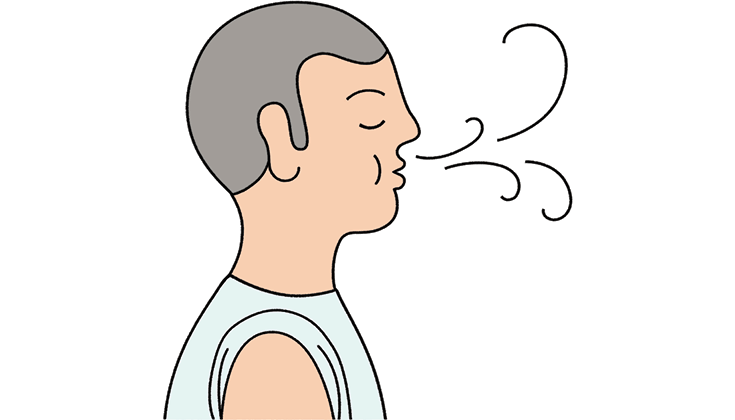
Whatever position you choose, your back and head should be upright. Your ears should be in line with your shoulders and your chin should be slightly tucked. Sit quietly with your eyes open and unfocused. Lower your gaze to a 45 degree angle. Pay attention to your breathing. First, while breathing in and out through your mouth, rock from right to left three times. Place your hands together in a zazen mudra (place your left hand on top of your right hand, palms facing up, with the tips of your thumbs just touching).
breathing
Now you are ready to focus on your breathing. Focus on breathing in for a count of 1, then focus on breathing out for a count of 2. Inhale again for a count of three and exhale again for a count of four. The goal is to count to 10 without thinking. If you get an idea, start over. Breathe through your nose in a natural, effortless rhythm.
thought
Stop trying to stop your thoughts and let them stop naturally. When a thought pops into your head, let it out and come in. Your mind begins to calm down. Nothing comes from outside the mind. The mind contains everything. This is true understanding of the mind.
Your mind follows your breath. While following your breath, let go of the concept of “I am breathing.” Neither mind nor body is required. Just be aware of the moment of your breathing. Throw away the concepts of time and space, body and mind, and just sit and be.