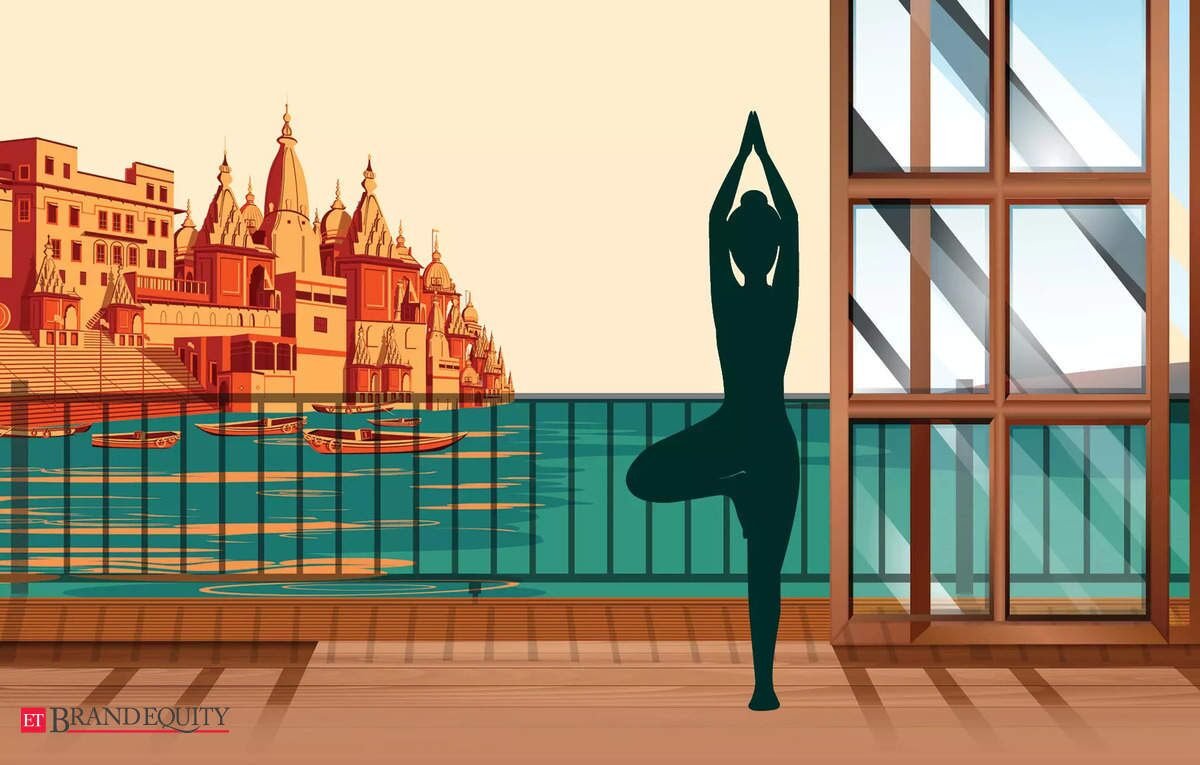
 Images used for representative purposes
On the banks of a river as old as time itself, and inside temples that reflect centuries-old stories of the past, there exists a very new trend: spiritual tourism. According to Makemytrip’s research, tier 2 and tier 3 cities are embracing spiritual journeys, with searches for destinations around religious spots increasing by 97% in the past two years. In 2023, searches for Ayodhya increased by 585%, searches for Ujjain increased by 359%, and searches for Badrinath increased by 343% compared to 2022.
The rise in tourism is prompting luxury hotels to consider these outposts. Indian Hotels Company (IHCL), India’s largest hospitality company, recently announced the deal for a Taj-branded resort in Pushkar, Rajasthan, which is “famous for its rich spiritual heritage and revered pilgrimage site.” He said that. Radisson Hotel Group has opened a hotel in Gopalpur, Odisha. It is conveniently located at a 4-hour drive from spiritual destinations like Puri and Konark.
Until the past decade, the number of branded hotels in these regions was quite low. Deepa Krishnan, Head of Marketing, India and Southwest Asia, Hyatt ” he said.
Parveen Chander Kumar, Executive Vice President, Sales and Marketing, IHCL echoed this point.
location, location, location
The rise in spiritual tourism is further fueled by ongoing infrastructure development in Ayodhya, Bodhgaya and Haridwar, highlighting the growing awareness of the importance of catering to this segment. “Due to the growing potential and importance of destinations in the hospitality sector, we recently launched Hyatt Place properties in Bodh Gaya and Haridwar. We also have properties planned in Bhopal, and in Varanasi and other locations. We are also considering the location,” Krishnan said.
“Religious tourism is a huge opportunity for the industry,” said Kushnuma Kapadia, vice president of marketing for South Asia at Marriott International. “Our 150th hotel will open in Katra to cater to the devotees of Vaishno Devi Temple. We have also signed a 150-key hotel in Ayodhya, which is scheduled to open in 2027-2028. ” she said.
According to Rajeev Kale, President and Head of Holidays, MICE and Visas, Thomas Cook (India), “Spiritual tourism is gaining momentum, with demand for Ram Navami celebrations increasing by 400% compared to last year. “It has increased rapidly by more than %.”
Due to this surge, they introduced tours such as Ram Navami Special Departure to Ayodhya, Anant Kashi Ayodhya, etc. yatraPrivate Ramayana Trail with Chauffeured Vehicle and Guide darshanRamayana yatra,Such.
changing landscape
Previously, older adults constituted the primary demographic for spiritual tourism. Kale said there is now growing interest from younger generations, including millennials and Gen Z tourists. “To meet this demand, we have launched the ‘Pilgrimage Plus’ tour. darshanwe also incorporate unique local experiences such as gourmet trails and outdoor adventures,” he said.
Kapadia supported this view, saying that today’s demographics are much different than in the past. “Not only families but also young people and solo travelers are now visiting these destinations,” he said.
To reach this new target audience, hotels are looking at ways to make their marketing messages stick. Brands claim that apart from traditional methods, social media and targeted digital marketing work well for new spiritual seekers. Kapadia said they are working with travel bloggers/vloggers and influencers to showcase the hotel and promote the packages. “In addition, we actively participate in travel fairs and industry events and work with travel agents and tour operators to promote our packages,” she said.
IHCL markets spiritual places through a multichannel strategy, including digital marketing efforts across platforms, print campaigns, and loyalty-driven offers. “This segment is primarily ephemeral, with searches, discoveries and purchases happening online,” Kumar said.
Stayvista, which rents out luxury villas and accommodation, also experienced a 20% increase when it comes to spiritual locations. The spokesperson added that it sells packages “through email marketing, WhatsApp marketing, performance advertising, and multiple other platforms.”
Highlighting the historical and cultural significance of a location along with your offerings is a must for all brands. “Authenticity and respect for local traditions are key to marketing spiritual packages that resonate with the target audience,” Kumar added.
Inner peace vs indulgence
Many observers say balancing luxury and spirituality is like walking a tightrope. But the brand claims it can offer the best of both worlds. Green and local initiatives can bridge that gap.
Jaspreet Singh, general manager of five-star hotel Six Senses Vana, said: Our goal is to provide a luxurious experience that is also environmentally and socially responsible. Supporting local farmers and artisans and using environmentally friendly products are all part of this process. ”
Mr. Kumar further added, “Employing immersive and time-honoured practices such as yoga, meditation and wellness therapies creates a holistic and spiritually enriching environment for our guests.”

Augmented reality (AR) is at the forefront of this transformation, pushing real-time personalization to new heights. This technology doesn’t just enhance user engagement; Building strong brand loyalty in an increasingly crowded market.