

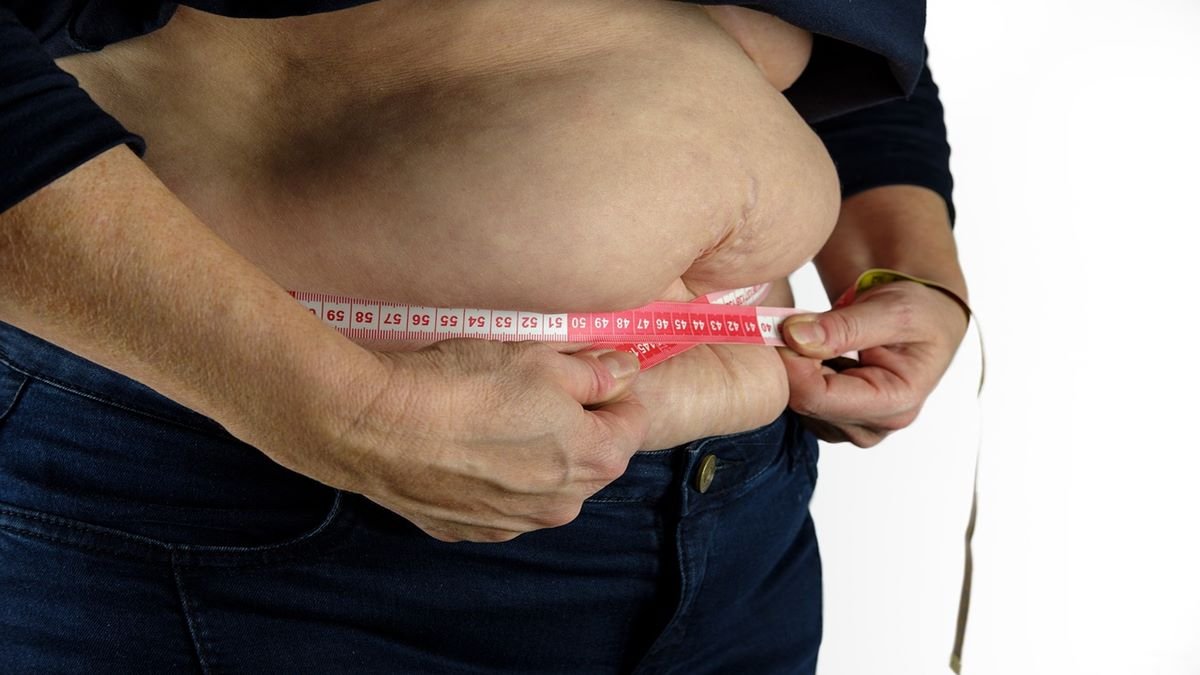
A new study reveals that obese women are more likely to have vitamin D deficiency. Researchers are investigating the association between vitamin D levels and body composition in women between the ages of 20 and 49.
Researchers found that women with lower vitamin D levels had higher body mass index and waist-to-height ratio, and lower muscle mass index after adjusting for body mass index (BMI).
It is noteworthy that the prevalence of vitamin D deficiency is high among women of childbearing age, especially those who exhibit obesity.
Researchers found that poor vitamin D status was associated with increased body fat percentage and central obesity.
“The study sample consisted of 124 women with an average age of 34.1 years and an average BMI of 24.2 kg/m². Of these, 66.9% had a normal BMI, 9.7% were classified as obese, and the rest 23.4% of participants were classified as overweight, with an average circulating 25(OH)D concentration of 28.8ng/mL, 36.3% of participants were classified as vitamin D sufficient, and 63.7% were vitamin D insufficient. % were classified as vitamin D deficient and 44.4% as vitamin D deficient.
The results of this study were recently published in the journal Nutrients.
The study also found that low vitamin D levels can be associated with higher body fat, and that the association is even stronger in women with vitamin D deficiency. The study also found that low vitamin D levels can lead to weaker muscles.
These findings highlight the importance of assessing body composition beyond traditional measures such as BMI, the researchers suggested.
