

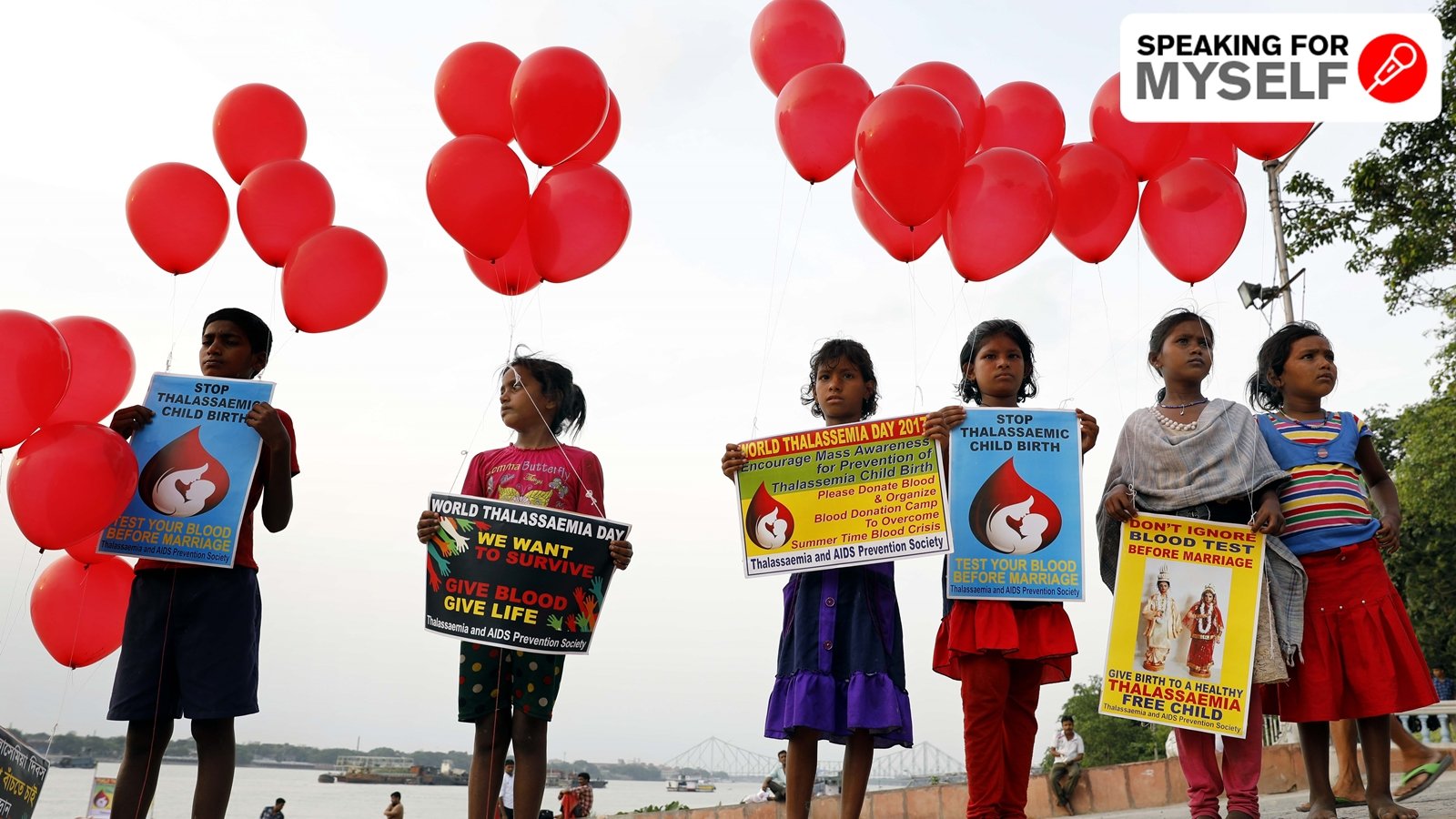
Treatment for children diagnosed with thalassemia, a chronic blood disease, involves meticulous visits to the hospital, blood transfusions, and compliance with medication. While these interventions are undoubtedly important for physical health, there is a less obvious challenge: the psychosocial effects of living with this condition for the rest of your life. The current healthcare system focuses on the physical aspects of thalassemia management and often overlooks the important need for strong psychosocial support for both patients and their families. The current healthcare system does not address the psychological impact of this disorder, which can jeopardize a patient’s overall health and treatment success.
The psychological impact of thalassemia is significant, and treatment adherence, constant anxiety about potential complications, and ever-present awareness of the disorder can lead to the development of depression, low self-esteem, and social isolation. . The most severely affected patient group is adolescents, who typically deal with body image issues due to growth retardation and facial disfigurement due to iron overload. Thalassemia can limit physical activity, and frequent visits to the hospital can perpetuate feelings of isolation, compounding feelings of loneliness and hopelessness. As a teenager, I became acutely aware of these issues.
When I was 14 years old, while my peers were going through puberty and undergoing rapid physical changes, I was battling a poorly managed illness with high iron levels. This showed in my appearance. I looked weak, younger than my age, and completely different from my colleagues. My appearance made them believe there was something seriously wrong with them and ultimately drove them away from me. There was a feeling of sympathy, not camaraderie, around me. I was seen as a sick student who deserved kindness, not friendship. Throughout school, I struggled with isolation and bullying due to my physical limitations. Even educators lacked the sensitivity to overcome chronic illness. They often treated me as a student with no future, someone who should just focus on passing exams instead of pursuing goals.
However, the challenges faced by thalassemia patients extend beyond childhood and adolescence. Adults with Thalassemia Confront unique obstacles. Establishing and maintaining meaningful personal relationships can be an uphill battle. Fear of overburdening your partner, anxiety about disclosing your condition, and the physical limitations imposed by thalassemia can also create barriers to intimacy. The workplace can also be an isolating environment. The need for frequent hospital visits, potential fatigue, and limitations due to disability can lead to a sense of inadequacy and hinder career advancement.
As an adult with thalassemia, I find myself in a much better space. Despite my anxiety about relationships and the ever-present fear of death, I am a confident person with a fulfilling life and big aspirations. The privilege of having the resources to manage my condition has been helpful. I am reminded again and again that to overcome a chronic illness, it takes a village (family, friends, partners, educators, healthcare professionals, fellow thalassemia people, etc.) to support you on your journey towards independence. Masu. Most people with thalassemia do not have access to this support. Therefore, established institutionalized mechanisms to provide these support systems to individuals become essential.


All forms of psychosocial support are essential. The impact is not limited to patients. Extended families may have implicit bias against thalassemia. Lack of awareness can lead to unnecessary restrictions and overprotection of patients, further isolating them from their support networks. Additionally, the mental burden on parents as caregivers makes them more susceptible to psychological challenges and social prejudice.
Investing in psychosocial support is more than just an act of kindness. This is a strategic move to achieve improved overall health for thalassemia patients. Integrating mental health professionals into the treatment team can give patients coping mechanisms, manage anxiety, and foster a sense of empowerment. Support groups create a safe space for individuals and families to share experiences, find solace in common struggles, and learn from each other’s successes. Age-specific therapy sessions can effectively address the unique concerns of children, adolescents, and adults. Patient and family education workshops provide patients and families with the knowledge and resources to advocate for their needs and manage their symptoms more effectively.


Healthcare professionals need training to identify signs of psychological distress and refer patients to appropriate mental health resources. Policy changes are also important. The Ministry of Health and Family Welfare under the National Health Mission has developed guidelines for the treatment and management of hemoglobinopathies. Modifying these by adding a section on the patient’s mental and social well-being is a fundamental requirement. Patient advocates and groups play a major role in raising these concerns on national and international platforms.
Prioritizing psychosocial support alongside medical interventions can create a safety net for patients and families. Although the life expectancy of thalassemia patients has now increased, their quality of life remains poor due to a lack of support systems. People cannot live an independent life with blood transfusions alone. We need to tackle invisible challenges and build support systems that empower individuals and enable them to embrace life beyond the limitations of illness.
The author is a doctoral candidate in the Department of English, University of Delhi and a research assistant at Oxford Policy Management.
© Indian Express Private Limited
Date first uploaded: May 11, 2024, 16:05 IST
