

Written by Irfan Atari Kashmir
Hajj, the annual pilgrimage to Mecca, is a cornerstone of the Islamic faith and a deeply transformative experience for millions of Muslims around the world. This sacred journey embodies the essence of Islam, uniting believers in devotion, humility, and unity. Let’s explore Hajj, its significance, rituals, and the spiritual awakening it brings.
Significance of Hajj
Hajj is one of the five pillars of Islam and is a mandatory religious obligation for all able-bodied Muslims. This act of worship follows in the footsteps of the prophet Abraham and his family and symbolizes their unwavering faith, sacrifice, and obedience to God’s commands.
Beyond the physical journey
Hajj is not just a physical journey. It is a spiritual journey that transcends borders and cultures. By undertaking this difficult endeavor, Muslims seek to purify their hearts, purify their sins, and deepen their connection with Allah (God). This pilgrimage serves as a reminder of the equality of all believers, as people from different backgrounds come together in unity wearing simple white clothing that erases distinctions of wealth or status.
Step-by-step guide to Hajj rituals
Hajj takes place in Dhu al-Hijjah, the last month of the Islamic calendar, and typically lasts five days. Details of the daily rituals are as follows:
First day:
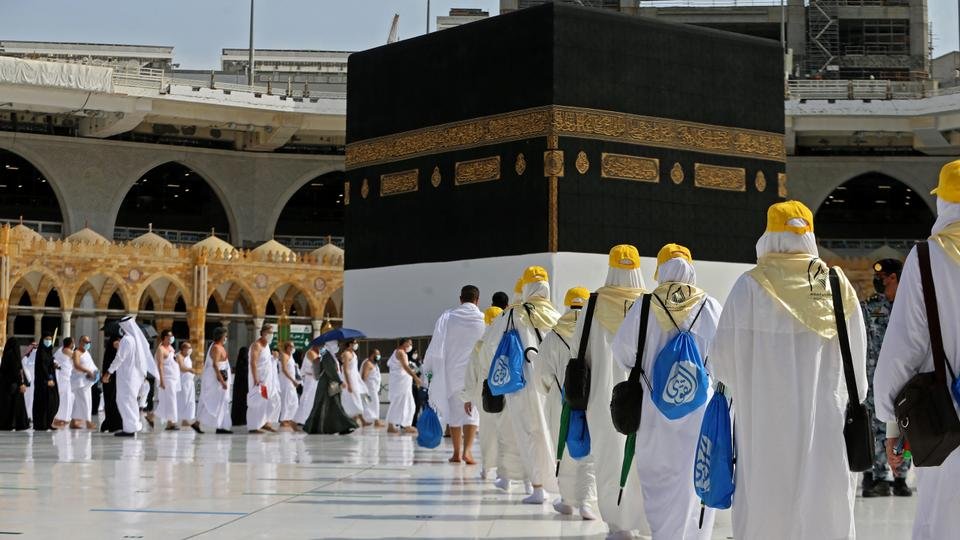
● Ihram and Intention: Before reaching Mecca, pilgrims enter the state of Ihram at a designated point (miqat). This sacred state involves wearing simple white clothing and observing certain rules such as avoiding quarrels, harming living things, and entering into marital unions.
● Tawaf: Upon arriving in Mecca, pilgrims perform tawaf, which involves circumambulating the Kaaba seven times counterclockwise. This act symbolizes Muslim unity and devotion to Allah.
● Sai: Pilgrims then perform Sai, a ritual that involves walking seven times between the hills of Safa and Marwa. It commemorates Hagar’s desperate search for water for her son Ishmael and emphasizes the importance of perseverance in the face of adversity.
● Mina: Pilgrims go to Mina, a tent city on the outskirts of Mecca, where they spend the night in prayer and preparation.
Day 2 (President Arafat Day):
● Mount Arafat (Uqf): Pilgrims gather on the plains of Mount Arafat for a day of prayers and supplications. This day is very important as it is believed to be the place where Prophet Muhammad delivered his last sermon.
● Muzdalifah: After sunset, pilgrims move to Muzdalifah, where they collect pebbles for the next stoning ceremony.
Day 3 (Eid Al Adha):
● Rami (stoning of the devil): Pilgrims throw pebbles at the three pillars (jamarat) representing the temptations of the devil. This act symbolizes the rejection of evil and reaffirmation of one’s devotion to God.
● Nar (sacrifice): Pilgrims offer animal sacrifices, usually sheep, goats, cows, and camels. Meat is distributed to the poor and needy, emphasizing the importance of sharing and caring for others.
Days 4 and 5:
● Rami: Pilgrims continue the ritual of stoning at the three pillars.
Day 6:
● Hulk or Taxil: Men shave their heads (hulk) or trim their hair (taxil), while women cut off part of their hair. This act signifies the completion of the pilgrimage and the return to normalcy.
● Farewell Tawaf: Pilgrims perform their final Tawaf around the Kaaba before leaving Mecca.
Medina: City of the Prophets
After Hajj, many pilgrims visit Medina, where the Prophet Muhammad is buried. Although not required, a visit to the medina allows pilgrims to pay their respects to the Prophet’s Mosque and other important historical sites.
Pilgrimage to Mecca in modern times
In recent years, the Saudi government has invested heavily in improving infrastructure and facilities for Haj pilgrims. This includes expanding the Grand Mosque, building new hotels and transportation systems, and introducing advanced crowd management technology.
Challenges and concerns
Despite these efforts, challenges remain, including overcrowding, heatstroke, and the risk of spreading infectious diseases. Pilgrims are advised to take necessary precautions, including staying hydrated, wearing appropriate clothing, and following hygiene guidelines.
The transformative power of Hajj
Hajj is a life-changing experience for many Muslims. The physical and mental challenges of pilgrimage push individuals to their limits and develop resilience, perseverance, and gratitude. Pilgrims return home with a renewed sense of purpose, a deeper connection to their faith, and a heightened sense of their responsibility to society.
symbol of unity and hope
Hajj serves as a powerful symbol of unity, bringing Muslims from all walks of life together in a common act of worship. This pilgrimage reminds us of the universal values of compassion, generosity and peace that are at the heart of Islam. Pilgrims return to their communities, carrying with them the spirit of Hajj and spreading a message of hope and harmony to the world.
As summer draws to a close, millions of pilgrims depart Mecca with the transformative power of the Hajj in their hearts. For some, this may be the last summer they experience the pilgrimage. It is a poignant reminder of the fleeting nature of life and the importance of spiritual dedication. The rituals, sacrifices, and shared experiences left an indelible mark on their hearts, fostering a deeper connection to their faith and a renewed sense of purpose.
The echoes of prayers on Mount Arafat, the unity felt at Tawaf, and the shared meals at Mina will remain as cherished memories forever. When pilgrims return to their homes and communities, they carry with them the spirit of the Hajj, a light of hope, resilience, and steadfast faith. This last summer Hajj does not mark an end, but a new beginning. Because the lessons learned and blessings received inspire a lifelong commitment to righteousness and service to humanity.
***
(The author is a social activist/author and president of the Foundation For Youth Web & Student Of Cybersecurity)
Email:- askirfanattari@gmail.com
