

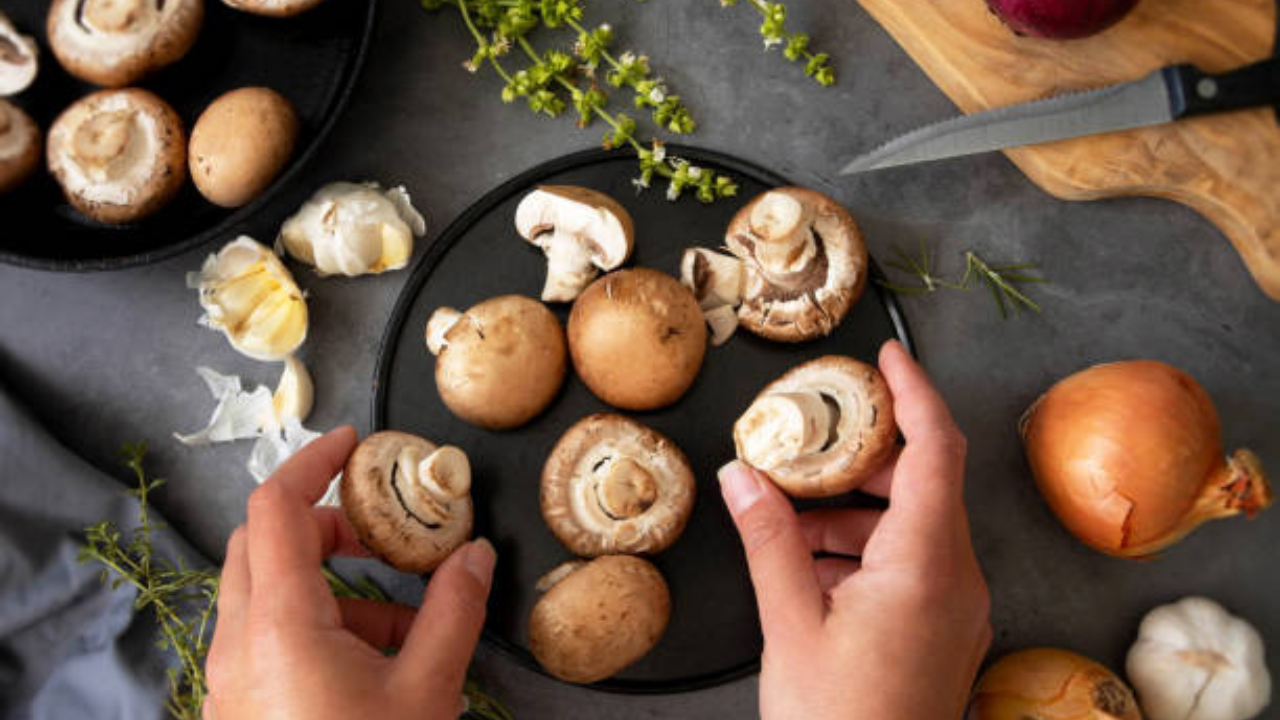
Loved for their earthy flavor and versatile culinary uses, mushrooms have been a staple of diets around the world for centuries. In addition to their taste and texture, mushrooms are highly valued for their nutritional content, including vitamins, minerals, and antioxidants. One nutrient of particular interest is vitamin D. Vitamin D is an essential micronutrient for bone health, immune function, and overall health. In recent years, there has been increased interest and speculation as to whether exposing mushrooms to sunlight increases their vitamin D content.
Let’s understand the facts behind this common claim.
Vitamin D is a fat-soluble vitamin that plays an important role in calcium absorption, bone health, and immune function. It is synthesized naturally in the skin when exposed to sunlight, but it can also be obtained from dietary sources such as fortified foods and supplements. However, there are relatively few foods that naturally contain vitamin D, making it difficult to obtain vitamin D through diet alone.
Mushrooms and Vitamin D: What’s the Connection with Sunlight? Certain mushrooms, such as shiitake, maitake, and portobello, have the unique ability to produce vitamin D when exposed to ultraviolet (UV) light, especially UVB radiation . This process mimics the way humans and other animals synthesize vitamin D in their skin when exposed to sunlight. When mushrooms are exposed to ultraviolet light, a compound called ergosterol is converted to ergocalciferol, also known as vitamin D2.
While it is true that mushrooms can synthesize vitamin D when exposed to sunlight or artificial ultraviolet light, the idea that simply placing mushrooms in sunlight at home will significantly increase their vitamin D content is somewhat misleading. I invite you. The vitamin D synthesis process in mushrooms requires specific conditions such as appropriate intensity and UV exposure time.
Exposing mushrooms to sunlight at home may not reliably increase their vitamin D content for several reasons. First, sunlight intensity and UVB radiation levels vary depending on factors such as time of day, season, geographic location, and weather conditions. Additionally, the duration of exposure required to achieve significant vitamin D synthesis may not be practical or feasible in a home environment.
In commercial settings, some mushroom growers utilize controlled environments and artificial ultraviolet light to promote vitamin D synthesis in mushrooms. These facilities carefully control UV exposure to ensure optimal conditions for vitamin D production. However, these practices are not commonly replicated in the home environment.
How can you maximize the vitamin D content of mushrooms? According to a study published in the Journal of Nutrition & Food Sciences, “just a 15-minute treatment on a sunny or cloudy day can consistently increase vitamin D2. At least 25% more DRI (150 IU) per 70g serving, often more than 100% of DRI (>600 IU). ”
NotesMushrooms naturally contain some vitamin D, but the amount synthesized may vary depending on exposure to sunlight and ultraviolet light. As a result, the contribution of mushrooms to dietary vitamin D intake, whether naturally occurring or enhanced by UV exposure, is relatively modest compared to other dietary sources and supplements.
Some types of mushrooms have higher natural vitamin D content than others. One notable variety is the shiitake mushroom (Lentinula edodes), which can contain significant levels of vitamin D when exposed to sunlight and ultraviolet light during growth. Another type is the maitake mushroom (Grifola frondosa), which has been shown to naturally accumulate vitamin D when grown under controlled conditions. Additionally, certain wild mushrooms, such as morels and chanterelles, may contain varying levels of vitamin D depending on factors such as growing conditions and species. The vitamin D content of mushrooms varies widely.
For people looking to increase their vitamin D intake, especially those with limited sun exposure or who are at risk of deficiency, consider natural or fortified sources of vitamin D, such as fatty fish and fortified dairy products. It is essential to focus on a diverse diet that includes: , eggs, and plant-based fortified foods. Additionally, supplements may be required for certain populations, particularly those at high risk of deficiency.
