

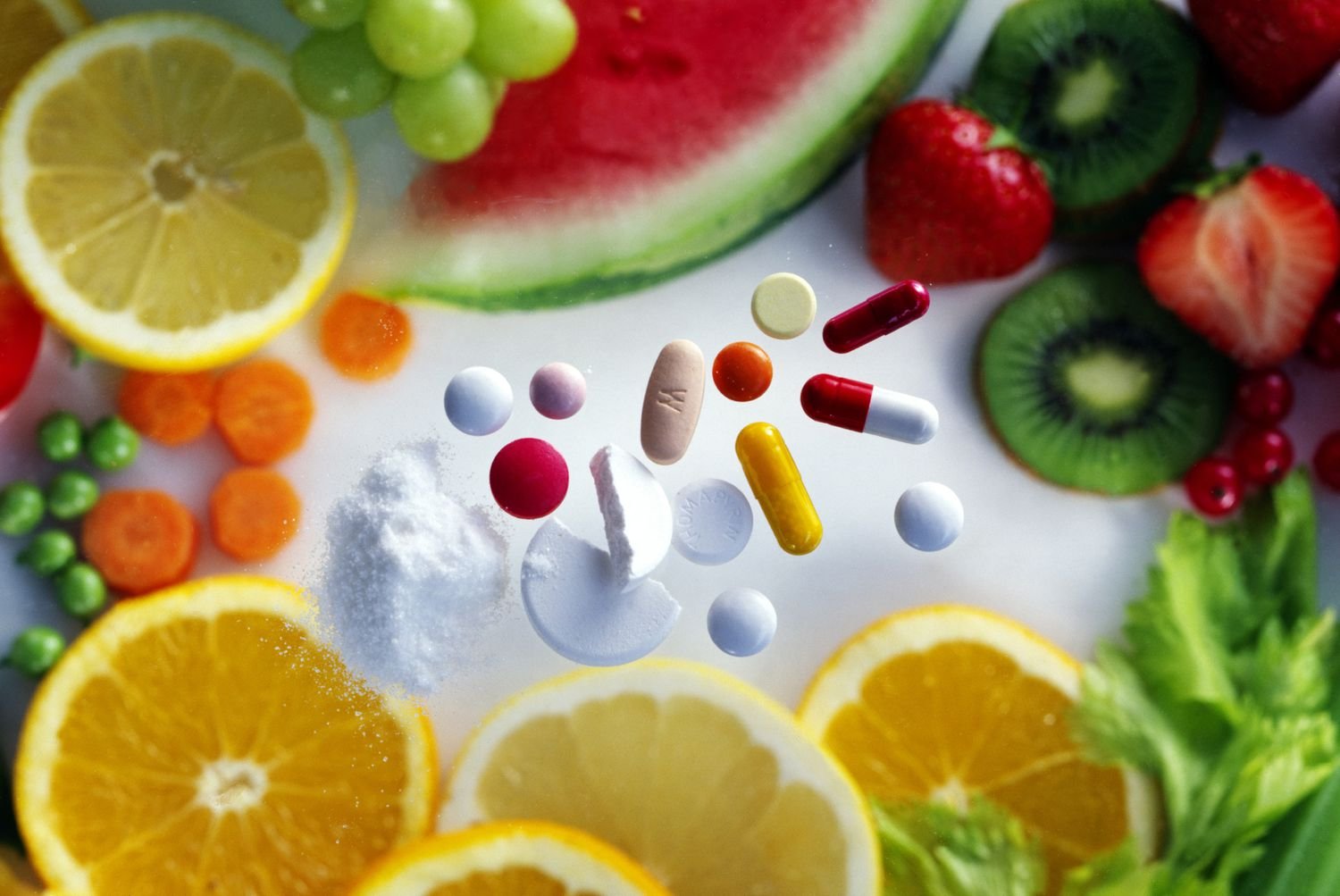
Years of research have shown that certain vitamins contain compounds that have anti-inflammatory properties. You can get these vitamins in supplement form or by eating foods that naturally contain them.
Here is a list of six vitamins with anti-inflammatory properties and foods rich in them.
In the United States, the Food and Drug Administration (FDA) does not regulate supplements in the same way as prescription drugs. This means that some supplement products may not contain what is listed on the label.
When choosing a supplement, look for third-party tested products and consult your health care provider, registered dietitian, nutritionist (RD or RDN), or pharmacist.
vitamin A
Chronic vitamin A deficiency can increase the risk of infection. Also, getting enough vitamin A can help prevent your immune system from becoming overactive and causing inflammation.
Vitamin A is available in two forms.
- Beta-carotene, a provitamin that is converted to vitamin A in the body
- Vitamin A, an antioxidant that protects the body from free radicals
A diet rich in beta-carotene and vitamin A can help reduce inflammation.
What foods contain vitamin A?
Completed vitamin A is found in large amounts in beef liver, eggs, dairy products, and fish.
Provitamin A is found in leafy green vegetables (such as spinach and kale), orange and yellow vegetables and fruits (such as sweet potatoes, papaya, oranges, and carrots), tomatoes, and some vegetable oils.
Vitamin A is added to milk, cereals, and other foods. Vitamin A is fat-soluble, so absorption is maximized when you eat foods that contain healthy fats.
What else do you need to know about vitamin A?
Adults should aim for about 700 micrograms (mcg) (women) and 900 micrograms (mcg) (men) of vitamin A per day. The upper intake limit (UL) for vitamin A is 3,000 mcg per day for adults, but much lower for children. Check with your health care provider about the levels you need during pregnancy.
Avoid vitamin A above these levels as it can cause hypervitaminosis (vitamin A toxicity). Consuming more than the recommended amount may cause birth defects.
Weight loss drugs like orlistat reduce vitamin A absorption. Conversely, other drugs like retinoids increase vitamin A in the body. You may need to avoid taking vitamin A while taking it.
Vitamin B group
Vitamins B6, B12, and folic acid reduce inflammation in the body. B vitamins lower C-reactive protein and homocysteine, which have a positive impact on outcomes such as cardiovascular disease and autoimmune diseases.
One study found that taking a low-dose folic acid (also known as folate, another B vitamin) supplement daily for short periods of time may reduce inflammation.
What types of foods contain B vitamins?
Beef liver is a source of vitamin B6, vitamin B12, and folic acid. Clams, oysters, and nutritional yeast are good sources of vitamin B12. Chickpeas, tuna, and salmon are good sources of vitamin B6. Spinach, peas, asparagus, and Brussels sprouts are sources of folate.
Keep in mind that B vitamins are frequently added to breakfast cereals, breads, and pasta.
What else do you need to know about vitamin B?
Too much B6 can lead to loss of control of body movements (ataxia). Try to take less than 100mg per day.
Certain medications can reduce B vitamins. For example, methotrexate and the ulcerative colitis drug sulfasalazine both reduce folic acid intake. Epilepsy medications reduce levels of folic acid and vitamin B6. Proton pump inhibitors and metformin reduce B12.
Consult your health care provider for advice on maintaining your vitamin B levels while taking these medications.
vitamin C
Vitamin C is known to help keep your immune system healthy and functioning well. Additionally, research shows that vitamin C helps protect cells from free radicals that cause inflammation.
Vitamin C, like B vitamins, also helps lower C-reactive protein. Supplements can help. However, it is best to get vitamin C from your diet.
What foods contain vitamin C?
Red bell peppers, citrus fruits and juices (oranges, grapefruit, kiwi), bell peppers, broccoli, and tomatoes all contain high vitamin C levels.
What else do you need to know about vitamin C?
Adults need about 75 to 90 mg of vitamin C per day. Taking more than 2,000 mg may increase your risk of kidney stones. If you’re considering supplements, ascorbic acid may be best absorbed.
Smokers and people with intestinal absorption problems may have low vitamin C levels. Vitamin C increases iron absorption, so it can be helpful if you are iron deficient.
vitamin D
According to one report, food and nutrition researchUp to 41.6% of Americans are vitamin D deficient. Research has long established a link between vitamin D deficiency and many inflammatory diseases. Additionally, researchers know that increasing vitamin D levels can help reduce inflammation.
Another report published in immunology journal Our results suggest that specific molecular and signaling events are involved in vitamin D’s anti-inflammatory ability. Additionally, people with low levels can benefit from vitamin D supplementation.
Vitamin D is naturally produced in the body after exposure to sunlight, but not everyone is able to maintain adequate levels this way. If you suspect your vitamin D levels are low, talk to your health care provider about testing and supplements.
It is recommended to spend 5 to 30 minutes in the sun on your face, arms, hands, and legs without sunscreen between 10 a.m. and 4 p.m. at least twice a week to naturally increase your vitamin D levels. will be done. Vitamin D supplementation may be necessary during the winter months.
What foods contain vitamin D?
Fatty fish (such as salmon, trout, and mackerel) and fish liver oil are the best food sources of vitamin D. Vitamin D is also added to dairy products such as milk. However, if you follow a vegan or vegetarian diet, you can get vitamin D from mushrooms.
What else do you need to know about vitamin D?
Adults need about 15 mcg (600 IU) of vitamin D each day. Groups at risk for low D levels include those with low sun exposure, those with dark skin, those with intestinal absorption problems, those who are obese, those who have had gastric bypass surgery, and the elderly. This includes people such as
Adults should not take more than 100 μg (4,000 IU) of vitamin D, as this increases the risk of side effects. Statins, steroids, and orlistat can lower vitamin D levels, so be sure to discuss taking supplements with your health care provider.
vitamin E
Vitamin E is another antioxidant vitamin and can reduce inflammation. The results of the 2015 meta-analysis are: European Journal of Clinical Nutrition Find out that vitamin E has anti-inflammatory properties and supplements may help people with inflammatory diseases.
What foods contain vitamin E?
Wheat germ oil, sunflower seeds, almonds, sunflower oil, safflower oil, hazelnuts, and peanut butter are all solid sources of vitamin E. If you want a non-nut or seed-based source of vitamin E, spinach and broccoli can provide a moderate amount of vitamin E. Amount per serving.
What else do you need to know about vitamin E?
Adults need about 15 mg of vitamin E per day. Supplements tend to offer more than that. Try to keep it below 1,000mg daily. Levels above that may cause undesirable effects.
Taking vitamin E with blood thinners may increase the risk of bleeding. If you have any questions, please contact your health care provider.
vitamin K
One report published in a magazine metabolism We found that vitamin K can reduce inflammatory markers, aid blood clotting, and protect bone health. Vitamin K is necessary for bone health, but most people don’t get enough vitamin K from their diet.
Adult men should aim for 120 micrograms (mcg) of vitamin K each day, and women should aim for 90 micrograms (mcg). The recommended daily intake is lower for children and infants.
What foods contain vitamin K?
Natto, collards, turnip greens, spinach, kale, broccoli, roasted soybeans, and carrot juice are all sources of vitamin K.
What else do you need to know about vitamin K?
Adults should consume approximately 90 μg (women) to 120 μg (men) of vitamin K each day. Since it is a fat-soluble vitamin, it is best to take it with a small amount of fat.
Intestinal absorption problems and certain medications, such as orlistat, can reduce the body’s intake of vitamin K. Taking vitamin K while taking blood thinners may change the effectiveness of the blood thinner.
summary
Inflammation-fighting vitamins can be obtained from a variety of food sources, including vegetables, fruits, lean meats and fish, and vitamin-fortified foods.
Even in supplement form, these vitamins can reduce inflammation without causing serious side effects, making them a viable alternative to nonsteroidal anti-inflammatory drugs (NSAIDs) and prescription anti-inflammatory drugs. There is a gender.
Always consult your health care provider before starting any vitamin supplements. It is also important to note that vitamin supplements are not a substitute for medicines.
