

Singapore: Traditional Chinese Medicine (TCM) clinics in Singapore report that more Singaporean women are seeking TCM treatments to tone their bodies and improve their chances of conceiving, with a 10% jump in demand from women. It is said that the number of cases is increasing.
Some clinics told 8World that they are also observing a trend toward younger women seeking TCM treatment for infertility reasons.
One woman, 42-year-old Ms Xie (transliterated from Mandarin), told 8World that three attempts at IVF had failed. Before her fourth attempt, she saw her TCM specialist twice a week and paid special attention to her diet and nutrition.
She eventually conceived naturally and the baby is now 9 months old.
Mr. Xie said: “I think acupuncture makes people feel very relaxed. In this fast-paced society, we’re all so busy, so this treatment can force you to relax.”
I think it’s the culmination of all our efforts. At that moment, you probably won’t know exactly what will help you get pregnant. ”
TCM practitioners use a combination of treatments, including oral supplements and acupuncture, to support women struggling with infertility.
A senior acupuncturist told 8World that the patients range in age from 26 to 45 and suffer from a variety of symptoms, including ovulatory problems, poor ovarian quality and unexplained infertility.
He noted that TCM usually requires about three months of treatment before fertility improvements are seen, but many patients conceive naturally during the treatment process.
One TCM clinic reported that three to four women come for body conditioning every month to improve their chances of pregnancy. This figure increased by 10% to 15% over the previous year.
TCM methods such as acupuncture for infertility are increasingly recognized as complementary treatments to traditional infertility treatments such as in vitro fertilization and IUI.
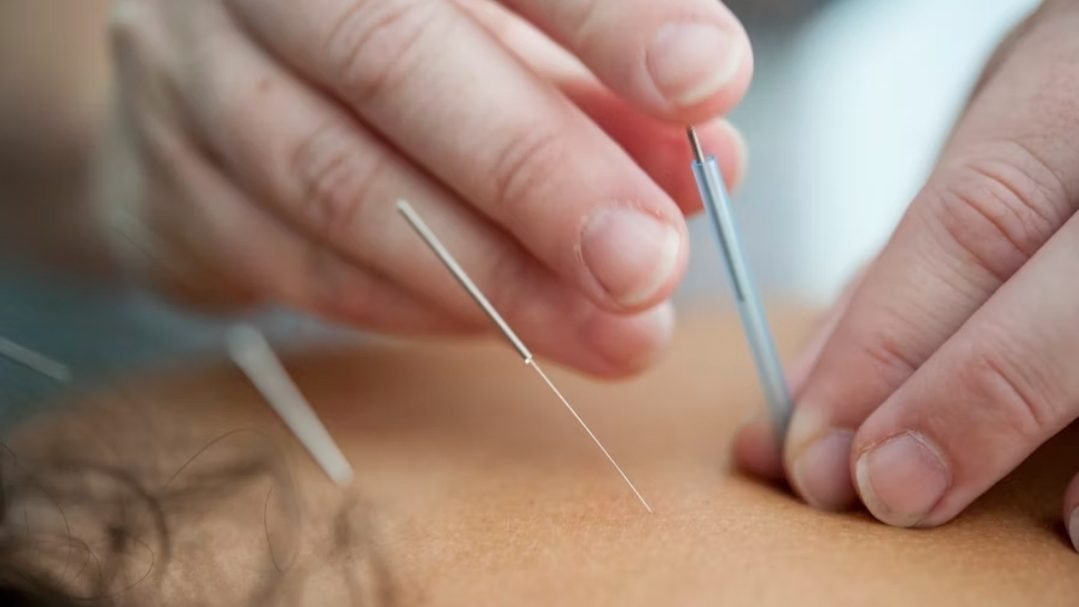
According to Chinese tradition, acupuncture involves inserting hair-thin needles into specific points on the body along energy lines known as meridians.
TCM claims that energy imbalances in the body can lead to a variety of illnesses, including infertility, and that stimulating specific pressure points can correct these imbalances.
However, research on the effectiveness of acupuncture in treating infertility is controversial.
A 2008 study by the Center for Integrative Medicine at the University of Maryland School of Medicine conducted a meta-analysis and found that acupuncture on the day of embryo transfer resulted in statistically significant improvements in clinical pregnancy, pregnancy persistence, and live birth rates.
However, many other studies have failed to replicate these results, and some even suggest that acupuncture may reduce pregnancy rates.
Despite conflicting research, one aspect of acupuncture is widely accepted: the relaxation response. Even in studies where acupuncture did not improve pregnancy rates, patients reported feeling more relaxed and optimistic after treatment.
Considering the high levels of stress that couples endure during infertility treatments, the relaxation and stress reduction provided by acupuncture can provide much-needed relief.
As Singaporean women continue to explore alternative infertility treatments, the role of TCM, particularly acupuncture, in supporting fertility and pregnancy remains a hot topic and is likely to continue to be researched. there is.
