

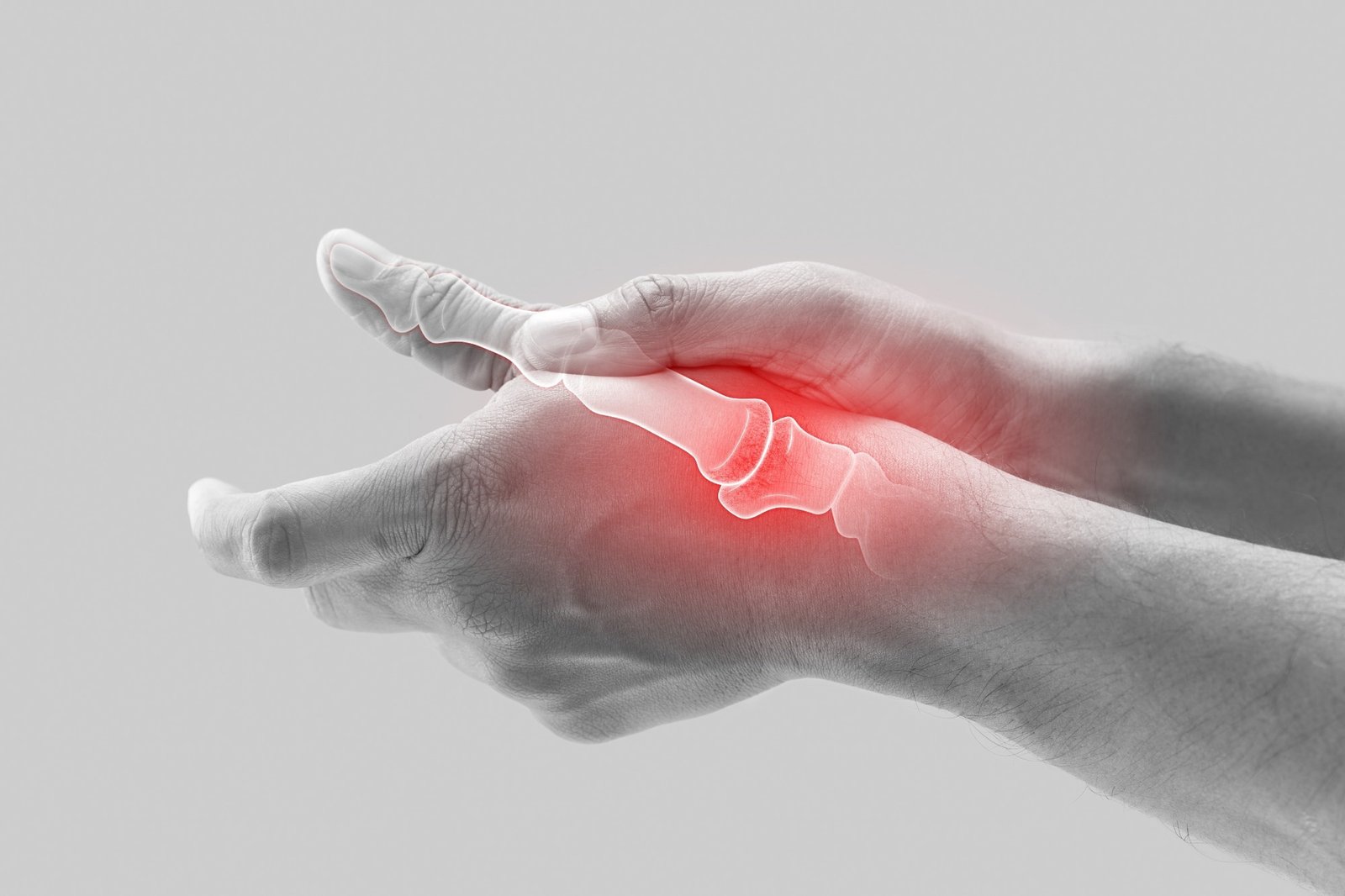
The causal relationship between osteoarthritis (OA) and vitamin E status remains unclear to date.Recent scientific report This study uses Mendelian randomization (MR) analysis to investigate the association between OA and circulating α-tocopherol concentrations, the main form of vitamin E in the body.
 study: Two-sample Mendelian randomization analysis shows no genetic causal relationship between circulating alpha-tocopherol levels and osteoarthritis. Image credit: Emily frost / Shutterstock.com
Vitamin E and OA
OA is a progressive degenerative joint disease primarily associated with deterioration of articular cartilage. As a result, OA can cause significant impairment in daily living activities and reduce the quality of life of affected individuals. To date, total joint replacement is the only effective treatment for his OA.
Vitamin E is a powerful antioxidant and a fat-soluble vitamin. Furthermore, vitamin E consists of eight forms, including four tocopherols (α, β, γ, δ) and four tocotrienols (α, β, γ, δ). The two main forms of vitamin E in the body include alpha-tocopherol and gamma-tocopherol.
In OA, oxidative stress is an important mechanism contributing to joint degeneration. Previous studies believed that the role of vitamin E in OA was due to its antioxidant and anti-inflammatory properties.
In a rat model, rat mesenchymal stem cells (MSCs) were protected from hydrogen peroxide-induced oxidative stress by vitamin E, which subsequently reduced OA symptoms. Despite these observations, the association of vitamin E with OA in clinical studies remains controversial.
About research
MR analysis uses genetic variation to determine causal relationships between exposure and outcome variables. To this end, the current study used MR analysis to assess the causal relationship between OA and α-tocopherol levels.
The study cohort included 7,781 individuals of European descent from a genome-wide association study (GWAS). Three single nucleotide polymorphisms (SNPs) were identified, including rs964184, rs2108622, and rs11057830, that were strongly associated with circulating α-tocopherol levels. Confounders such as age, cancer status, and cholesterol levels were taken into account in the final analysis.
Clinically diagnosed OA was the primary outcome variable and was identified based on imaging evidence or recommendation for arthroplasty. His second result in OA came from the UK Biobank.
research result
The results of MR analysis did not support a causal relationship between OA and circulating alpha-tocopherol concentrations in the study cohort. There were no significant differences between men and women. Based on these findings, the researchers concluded that alpha-tocopherol levels may not have beneficial consequences for mitigating the progression of OA.
previous in vitro Experiments have reported that vitamin E or alpha-tocopherol levels have a beneficial effect on OA. Additionally, animal studies have shown a positive effect of vitamin E on joint degeneration.
In comparison, a Japanese study reported a negative association between knee OA and vitamin E after adjusting for confounders. Considering the evidence collectively, the causal relationship between vitamin E status and her OA remains inconclusive.
strengths and limitations
The main strength of the current study is its use of MR analysis. MR analysis reduces the influence of confounding factors and reverse causation using genetic variation by randomly assigning SNPs at the time of conception. Another strength of this study is the use of a large he GWAS dataset for MR analysis.
Two large datasets confirmed the validity of the study results. Additionally, subgroup analyzes by gender revealed similar results, and sensitivity exercises were consistent in removing SNPs.
A notable limitation of the current study is the omission of gamma-tocopherol, the other major form of vitamin E in the body. Furthermore, there are only three SNPs corresponding to circulating α-tocopherol levels, which may influence the detection of pleiotropy by MR Egger regression. Therefore, future studies should use more instrumental variables and updated his GWAS data to validate our findings.
Another limitation includes the use of linear MR analysis to assess the causal relationship between OA and circulating α-tocopherol levels. A threshold effect may also exist for alpha-tocopherol. Therefore, future studies should utilize nonlinear MR analysis to verify these observations. The study cohort included only Europeans, which also limits the generalizability of the current findings to other diverse populations.
conclusion
MR analysis failed to identify a causal relationship between OA and circulating α-tocopherol concentrations. Nevertheless, additional MR analyzes based on more instrumental variables and updated GWAS are warranted to validate these findings.
Reference magazines:
- Choi, A., Xiao, P., Wang, P., other. (2024) No genetic causal relationship between circulating alpha-tocopherol levels and osteoarthritis, a two-sample Mendelian randomization analysis. scientific report 14(1);1-8. doi:10.1038/s41598-024-60676-5
