

Indigenous mental health experts, still reeling from the tragedy of a 10-year-old Aboriginal boy who took his own life in state custody in Western Australia in April, have called for adequate investment in prevention measures. ing.
Tania Brown, chief executive of non-profit Indigenous mental health organization Tiriri, said any child suicide was a tragedy.
“The suicide of a child in state care is a national disgrace and an indictment of Australia’s child protection system,” she said.
Suicide is the leading cause of death for Indigenous children and young people in Australia.
Children separated from their families are at higher risk of suicide and more likely to come into contact with the criminal legal system.
Nationally, Indigenous children are more than 10 times more likely to be in out-of-home care than non-Indigenous children.
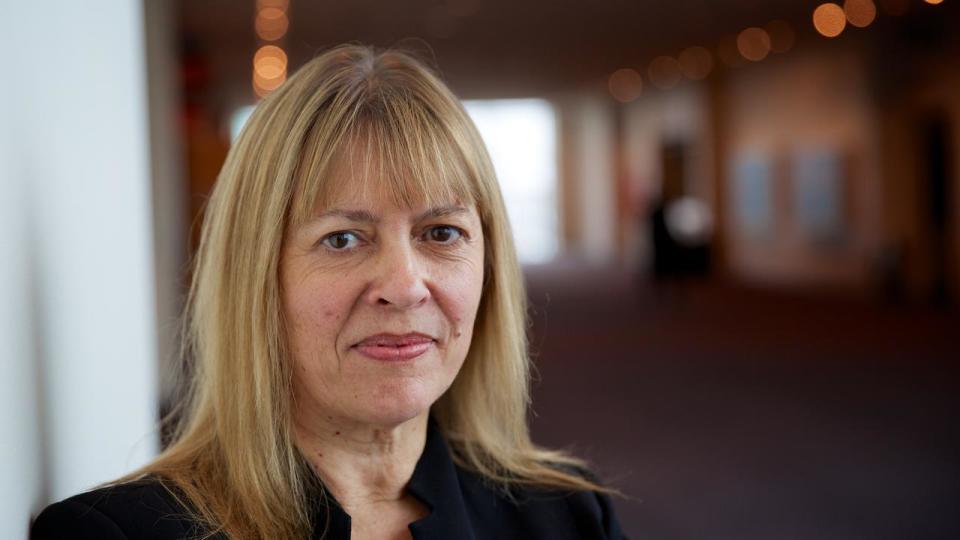
Professor Helen Milroy, a child psychiatrist and president of Gaya Dwi (Proud Spirit Australia), said her heart was broken for the child’s family and the community.
“As Indigenous people, our hearts break and continue to break every time we lose a young child to suicide, especially when they are protected by the very systems that are supposed to protect them,” she said. .
Over the past five years, government spending on child protection has increased, but the proportion of spending on family support and welfare has declined.
Additionally, the proportion of funding allocated to Aboriginal Community Health Organizations (ACCHOs) to provide early intervention and family support ranges from 0.6 to 21 per cent, depending on the province or territory.
Dr Clinton Schultz, a psychologist at the Black Dog Institute, told AAP that the government needs to invest in support services to help families stay healthy and connected within their communities.
“These services should be led and operated by Indigenous communities, not external contractors,” he said.
“If we have a system where currently more than 40 per cent of children in out-of-home care are Aboriginal Torres Strait Islander Aboriginal people, what we need are Aboriginal people working in this area. investing equally in community-controlled and private organizations.
“We have a solution. We’ve been giving it for decades, and it’s time for more people to listen.”
Dr. Schultz said there needs to be more focus on holistic approaches to intervention.
“We need to look at the social determinants that put people in positions where they want to self-harm,” he said.
“We need to invest more in the area of prevention, and that prevention needs to focus on the causes and causal relationships that seriously disrupt social and emotional well-being.
Dr. Schultz said Indigenous-led programs and organizations need sustainable and reliable funding.
“What is missing, not just in WA but in all jurisdictions, is access to culturally responsive social and emotional well-being intervention services. “That can make a big difference when you’re at the point where you want to hurt yourself,” he said.
“What I think we really need to focus on is … significantly increasing investment to support children who are already in state-based care.”
Indigenous mental health organizations have provided federal, provincial and territorial governments with recommendations from more than 40 government reports on Indigenous child protection since the 1997 Bring Them Home report. I am asking you to implement it.
* Investing in and increasing access to culturally sensitive and community-led support services.
* Strengthening cultural responsiveness training for child protection and mental health workers.
* Increased investment to build a more sustainable Indigenous social and emotional well-being and mental health workforce
13 thread 13 92 76
Aboriginal Counseling Service 0410 539 905
Lifeline 13 11 14
Kids Helpline 1800 55 1800 (for ages 5 to 25)
Beyond Blue 1300 22 4636
