

As a child, I was always known as a quiet child. I always sat in the back seat and was scared to stand in front of a lot of people. As a young child, I was never taught what “mental health” was, or more specifically, what anxiety was.
From around the age of 8, I started experiencing things that I thought were not normal, such as anxiety, and my self-image deteriorated. I felt alone and ashamed. I thought something might be wrong. It wasn’t until I entered high school that I learned what mental health was.
Around that time, I started getting the help I needed, but I wish I had gotten it at a younger age.

The average age for a child to develop an anxiety disorder or phobia is approximately 5.5 years. This is the age at which children enter kindergarten. For these children, starting school full time is already difficult enough. Having to deal with mental health issues is something these kids can’t handle alone.
Children between the ages of 3 and 17 are most commonly diagnosed with mental health problems. In the United States, 20% of children are diagnosed with mental, emotional, developmental, or suicidal behaviors. Mental health problems are said to be the leading cause of death in children. Children diagnosed with mental health problems struggle to succeed in school. According to a survey, in the United States in 2015, 22% of college students felt that anxiety was a major factor in lowering their overall grades.
Children in these younger age groups need additional support and awareness.

The Connecticut Legislature is considering a bill that would provide more resources to help young children deal with mental health. This bill would create a strategic plan to ensure these services are adequately funded to help young children. This specifically covers all services needed by children under the age of 6 and their parents.
Some of the resources this bill provides include state medical assistance programs as well as federal grants administered by the Department of Human Services and the Department of Mental Health and Addiction Services. The bill also requires more funding for mental health services for children 6 and under by October 1, 2024 at the latest.
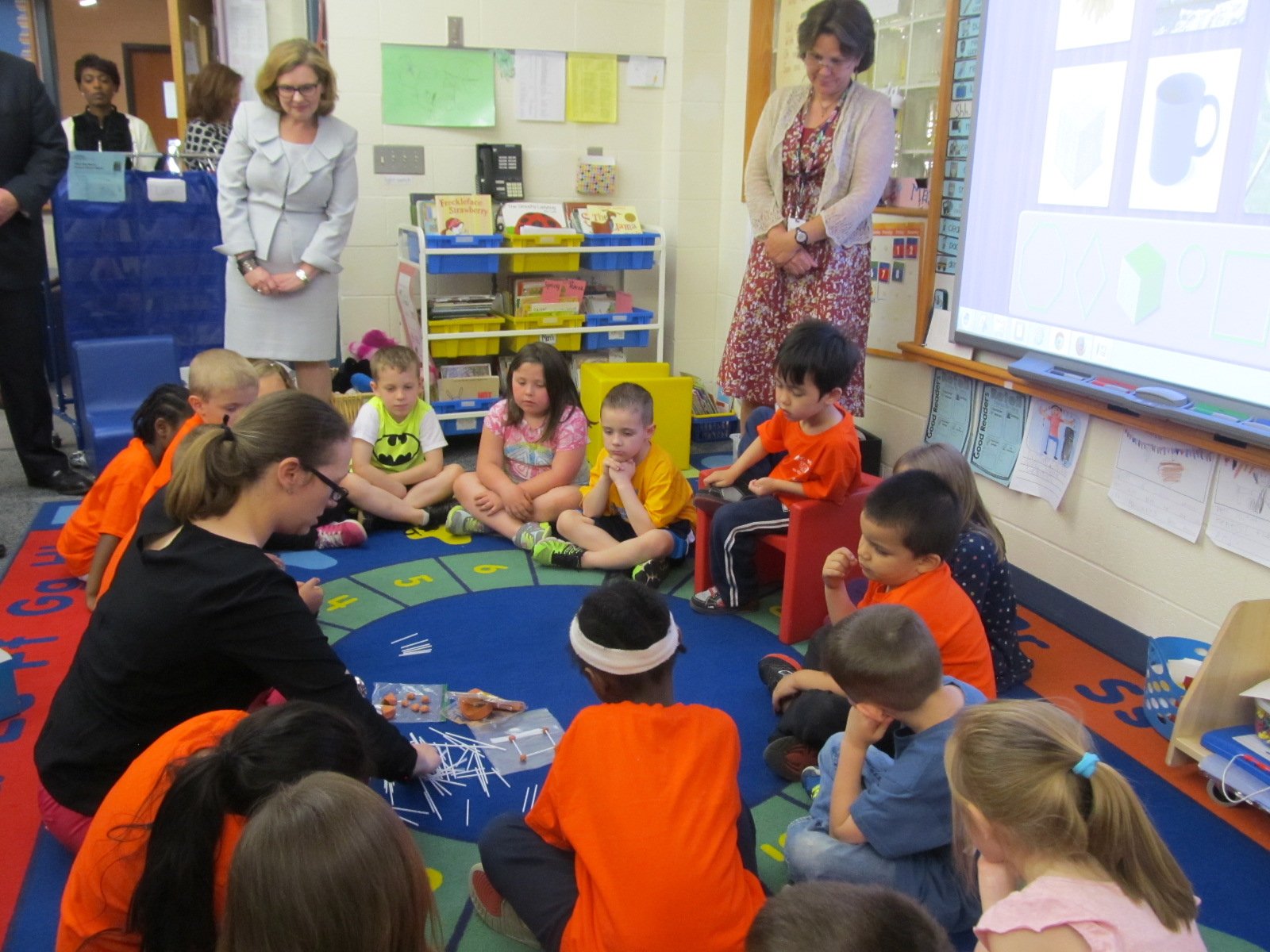
Educators of these young children play an important role in raising awareness of anxiety and mental health. Hold training sessions for teachers on how to identify children with anxiety and mental health issues, and how to deal with them and their symptoms, to ensure classrooms are open to children to come forward and express themselves. You need to make sure it’s a safe place. what they feel. Finally, incorporate mental health into lesson plans to help young children feel comfortable and feel less alone in what they are feeling.
If there was more awareness about mental health in kindergarten and elementary school classrooms, more students would speak up about mental health. The help we receive in our early years determines our future success or failure.
As a community, we have the opportunity to help children battling these illnesses overcome their illnesses and achieve their academic goals. The proportion of young children with mental health problems such as anxiety is rapidly increasing. We need more funding for mental health services for these children. We have an opportunity to help them cope while they are still young. It should not be overlooked.
Meriel Assi is a second-year student at Sacred Heart University majoring in health sciences in the pre-medical program.
