

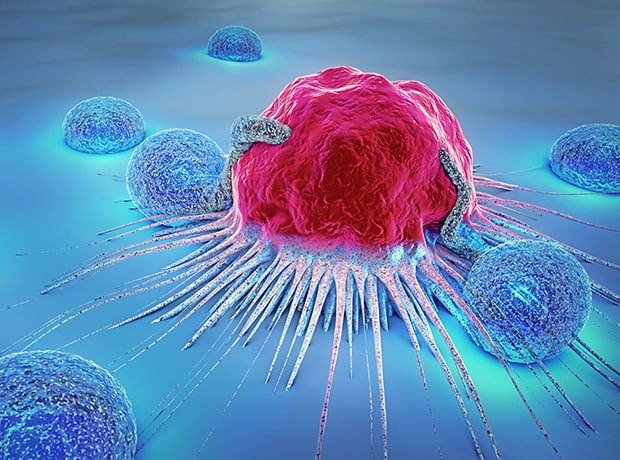
Bacteroides fragilis in the gut improves immunity and immunotherapy treatment response
Researchers from the Francis Crick Institute, the National Cancer Institute of the US National Institutes of Health, and Denmark’s Aalborg University have found that vitamin D promotes the growth of a type of intestinal bacteria in mice and improves cancer immunity. It revealed that.
Research published in science They found that vitamin D increased the amount of Bacteroides fragilis and improved immunity against cancer in tumor-implanted mice.
Cancers such as breast, lung, colon and prostate cancers in women accounted for more than 18 million new cases worldwide in 2020, according to Cancer Research UK.
Researchers found that feeding mice a diet rich in vitamin D improved their immune resistance to experimentally transplanted cancers and improved their response to immunotherapy.
Additionally, this effect was also observed when gene editing was used to remove the protein that binds vitamin D in the blood and move it away from tissues.
Researchers have found that vitamin D acts on intestinal epithelial cells, increasing the amount of bacteria known as Bacteroides fragilis. This resulted in the transplanted tumors not growing as much and improving the mice’s immunity to cancer.
After feeding mice Bacteroides fragilis, the researchers observed that they had better resistance to tumor growth compared to mice fed a vitamin D-deficient diet.
Previous inconclusive research has already suggested a link between vitamin D deficiency and cancer risk in humans.
Researchers investigated this link by analyzing a data set from 1.5 million people in Denmark, highlighting the link between lower vitamin D levels and increased cancer risk.
Additionally, another analysis suggested that cancer patients with higher vitamin D levels are more likely to respond well to immune-based cancer treatments.
“This could one day be important for human cancer treatment,” said Caetano Souza, director of Click’s Immunobiology Laboratory.
“More research is needed before we can conclusively say that correcting vitamin D deficiency is effective in preventing or treating cancer.”
