

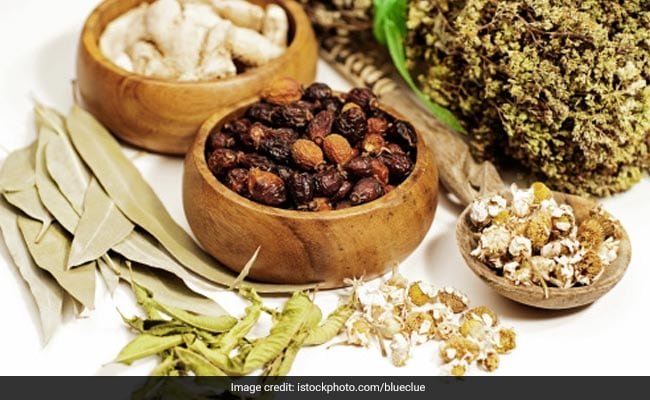
These Ayurvedic herbs can help manage uric acid levels when incorporated into a balanced diet and lifestyle.
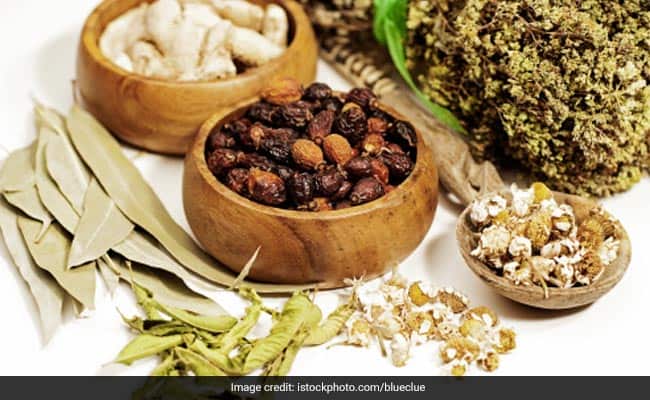
Certain Ayurvedic herbs can help remove uric acid from the body
Ayurveda, an ancient system of medicine that originated in India, offers a variety of herbs that are thought to help control uric acid levels. In this article, we will discuss popular Ayurvedic herbs that you can try to control your uric acid levels.
Here are 10 Ayurvedic herbs commonly used to control uric acid levels.
1. Giloy
Giloy has anti-inflammatory properties and helps reduce inflammation associated with high uric acid levels. It also supports kidney function and helps remove uric acid. Giloy can be taken in the form of a decoction, powder, or juice. It is often taken with honey or water.
2. Gokshura
Mechanism: Gokshura has diuretic properties, which means it stimulates urine production and helps remove uric acid from the body. It also helps maintain kidney health. Gokshura can be taken as a powder, capsule, or decoction. It is often taken with water or milk.
3. Haritaki
Haritaki has detoxifying properties and helps regulate digestion. It may help lower uric acid levels by improving overall digestive function and excretion. Haritaki can be taken in powder, decoction, or tablet form. It is often taken with hot water or honey.
4. Punarnava
Punarnava is known for its diuretic properties, which promotes the excretion of urine and helps remove toxins such as uric acid from the body. Punarnava can be taken in the form of a decoction, powder, or tablet. It is often taken with water or buttermilk.
5. Triphala
Triphala is a combination of three fruits: Amalaki, Bibhitaki and Haritaki. It supports digestion, detoxification, and excretion, and may help manage uric acid levels. Triphala is usually consumed as a powder mixed with warm water or honey. It can also be taken in capsule form.
6. Amla
Amla is rich in vitamin C and antioxidants, which help reduce inflammation and oxidative stress associated with high uric acid levels. It also supports kidney function. Amla can be consumed raw, as juice, or in powder form mixed with water or honey.
7. Neem
Neem has anti-inflammatory and detoxifying properties, reducing inflammation and helping remove toxins such as uric acid from the body. Neem leaves can be consumed as a tea or neem powder can be mixed with water or honey.
8. Shilajit
Shilajit is rich in minerals and fulvic acid, which may improve kidney function and help remove uric acid from the body. Shilajit is usually consumed as a resin dissolved in water or milk. It can also be taken in capsule form.
9. Turmeric
Turmeric contains curcumin, which has anti-inflammatory and antioxidant properties. It may help reduce inflammation and oxidative stress associated with high uric acid levels. Turmeric can be taken raw, as a powder, or in capsule form. It is often mixed with warm milk or water.
10.Coriander
Coriander seeds have diuretic properties, which can increase urine output and help remove uric acid from the body. Coriander seeds can be consumed as a tea or a decoction. It can also be powdered and added to various dishes.
It is essential to consult a qualified health care professional before starting any herbal therapy, especially if you have a pre-existing health condition or are taking medications.
Disclaimer: This content, including advice, provides general information only. It is in no way a substitute for qualified medical opinion. Always consult a specialist or your doctor for more information. NDTV is not responsible for this information.
