

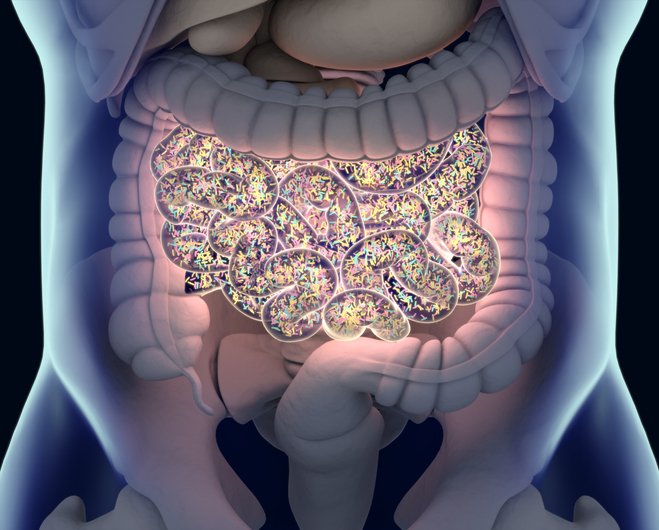
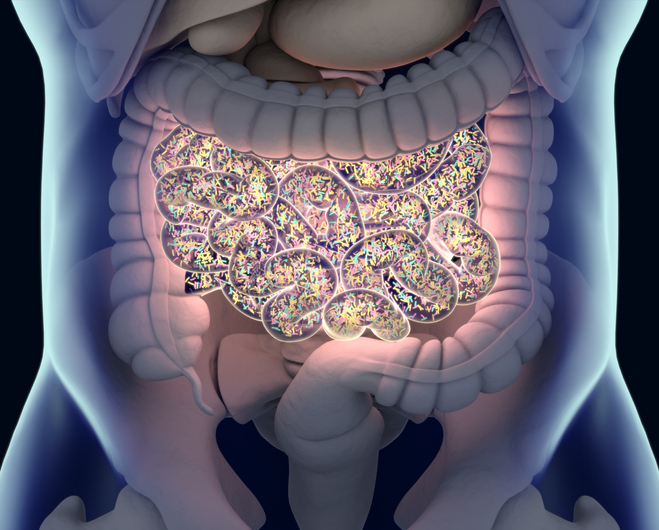
Researchers at the Francis Crick Institute, the National Cancer Institute (NCI) of the National Institutes of Health, and Denmark’s Aalborg University have found that vitamin D increases the abundance of certain types of gut bacteria, which may help boost immunity against cancer. discovered that it has the potential to increase power.
Vitamin D is essential to human health It can be obtained through sun exposure, food, and supplements. It promotes bone growth, reduces inflammation, and is important for cell growth, glucose metabolism, the immune system, and neuromuscular function. Previous research has shown that it is possible reduce cancer risk and, Growth of beneficial gut bacteria.
In this latest research,It was published in the magazine scienceResearchers found that mice fed a vitamin D-enriched diet had better resistance to transplanted cancers than mice fed a vitamin D-deficient diet.
The research team found that vitamin D affects epithelial cells in the intestine, resulting in increased proliferation of intestinal epithelial cells. Bacteroides fragilis, A type of intestinal bacteria. Therefore, they found that mice fed a diet rich in vitamin D resisted tumor growth better and had an improved response to treatment with immune checkpoint inhibitors, a type of cancer immunotherapy.
“What we showed here was a surprise: Vitamin D can modulate the gut microbiome to favor certain bacteria, giving mice better immunity against cancer. ” said Caetano Reis e Sousa, head of the Immunobiology Laboratory at Crick University. said the senior author in a press release.
“While this may one day be important for human cancer treatment, we do not know how and why vitamin D exerts this effect through the microbiome. Further research is needed before we can conclusively say that improvements are effective in preventing or treating cancer.”
To investigate the association between vitamin D deficiency and increased cancer risk in humans, as shown in previous studies, the researchers also analyzed a dataset of 1.5 million people in Denmark. They found that there is indeed a link between lower vitamin D levels and increased cancer risk.
In a separate analysis of cancer patient populations, researchers observed that people with higher levels of vitamin D in their blood were more likely to respond well to cancer immunotherapy.
“Our findings demonstrate a previously unappreciated link between vitamin D, the microbial symbiotic community, and the immune response to cancer. Taken together, they show that vitamin D levels are associated with cancer. “We highlight that immunization and immunotherapy are potential determinants of success,” the authors wrote.
“These findings contribute to the growing body of knowledge about the role of the microbiome in cancer immunity and the potential for dietary interventions to fine-tune this relationship to improve patient outcomes,” NCI added Romina Goldschmid, a Stadtmann researcher at the Cancer Research Center. “However, further research is needed to fully understand the underlying mechanisms and how they can be exploited to develop individualized treatment strategies.”
