

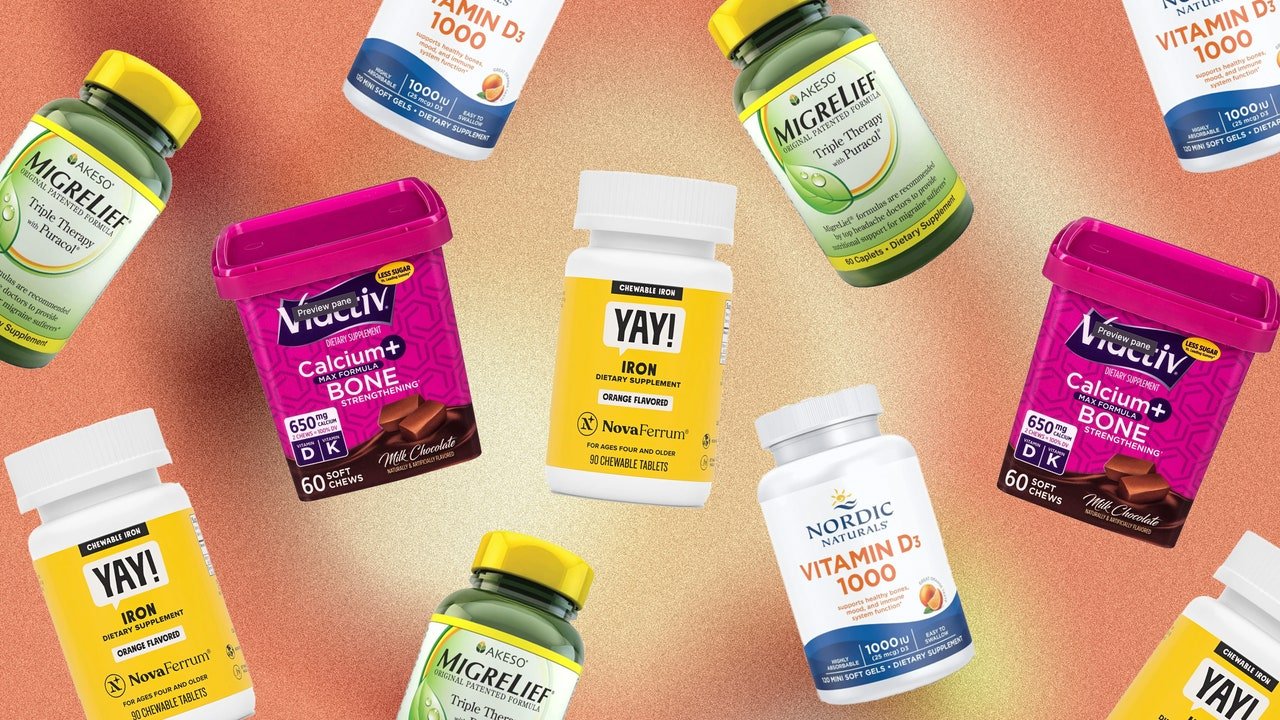
Although vegetarian and vegan diets have several health benefits, teenage boys and girls who follow a vegetarian or vegan diet are at increased risk of developing certain vitamin deficiencies. According to Dr. Scripps, the most common nutrient deficiencies in teens on a plant-based diet include iron, calcium, vitamin D, vitamin B12, and zinc.
“Vegetarians and vegans should be conscious of consuming good sources of omega-3 fatty acids, such as flaxseed, walnuts, canola oil, and soybeans,” advises Dr. Scripps. “Nutrient sources rich in zinc include whole grains, legumes, and nuts. Alternatives to dairy products that are good sources of calcium include kale, broccoli, bok choy, and dried figs. ”
Are there any side effects when taking vitamins as a teenager?
Although many over-the-counter vitamin supplements are mostly safe, Dr. Golub warns that they can be toxic if taken in excess. In fact, Dr. Scripps says that exceeding the recommended daily dose of vitamins “can be very harmful and dangerous.”
In particular, it is wise to pay particular attention to fat-soluble vitamins such as vitamin A, vitamin D, vitamin E, and vitamin K. This is because they are stored in fatty tissue and the liver and are not easily excreted from the body even if ingested. excessively. In contrast, water-soluble vitamins such as vitamin C and the B-complex vitamins (thiamin, riboflavin, niacin, pantothenic acid, pyridoxine, biotin, vitamin B6, folic acid, and cobalamin) enter the bloodstream in too much. , Dr. Golub explains, the body just gets rid of the excess. She says that taking large amounts of vitamins, especially fat-soluble vitamins, can cause side effects such as rashes, nausea, gastrointestinal problems, headaches, and even serious medical problems.
It’s also worth noting that taking vitamins and nutritional supplements on an empty stomach can have negative effects on your digestive system, Dr. Scripps says. That’s why she recommends taking all vitamins with meals. Along these lines, keep in mind that constipation can be a side effect of taking vitamins and supplements that contain iron.
Finally, keep in mind that unlike drugs, vitamins and supplements are not required by law to certify to the FDA that they meet quality standards, says Dr. Hunter. This means that “many supplements and vitamins are not tested and may contain more or less vitamins than listed on the label,” she explains. Additionally, some products may contain harmful ingredients such as heavy metals and pharmaceuticals.
Are vitamins good for adolescence?
You probably don’t need to tell it exists. be many Physical growth that occurs during the teenage years. This increases nutritional demands. “Oftentimes, not only parents but also teenagers don’t know much about it. So even though kids are eating the same way they normally would, their bodies need a little more nutrition. ” says Dr. Cason Wilkerson.
These growing needs are why Dr. Cason Wilkerson sometimes discusses vitamin intake during adolescence with his patients. The reality is that teens may not be eating a diet that is balanced and diverse enough to hit all the important boxes. Cason Wilkerson, Ph.D., explains that “we know that from prepuberty to adolescence, teens need more calcium, iron, and folic acid for growth.” If you are not getting enough essential nutrients and essential vitamins through food (as determined by a nutritional evaluation performed by a doctor or registered dietitian), it may be advisable to take a daily multivitamin supplement to compensate for the deficiencies. We may also recommend it.
Is Centrum Advance suitable for children aged 16?
None of the experts we consulted specifically recommended Centrum Advance for 16-year-olds. If you are interested in taking this product, ask your doctor for advice. Whether a particular vitamin or mineral supplement is right for your teen depends on their individual health status, and there is no one-size-fits-all answer.
How to choose the right vitamin supplement for teenagers
Not all teen vitamins are created equal. To increase your chances of choosing a safe and effective product, choose a brand from a recognized and trusted retailer, says Dr. Scripps. Avoid buying from companies that are completely new or that keep changing their names and are only available online, adds Dr. Elliston. “If a new trendy vitamin shows up on everyone’s TikTok, it’s probably not the best choice to begin with,” he says. Especially when it instantly improves brain health or promises spectacular results like flawless, healthy skin, ironclad immune health, or 20/20 eye health.
