

Most vitamins cannot be produced by the human body and must be obtained from the diet. Changing your diet usually covers your vitamin needs. However, deficiencies are common in populations where grains such as rice are the main or only food source. This is especially true for vitamin B1 (thiamine), whose deficiency is the cause of many neurological and cardiovascular diseases, such as beriberi.
Vitamin B1 The ingredients contained in rice are lost during processing.
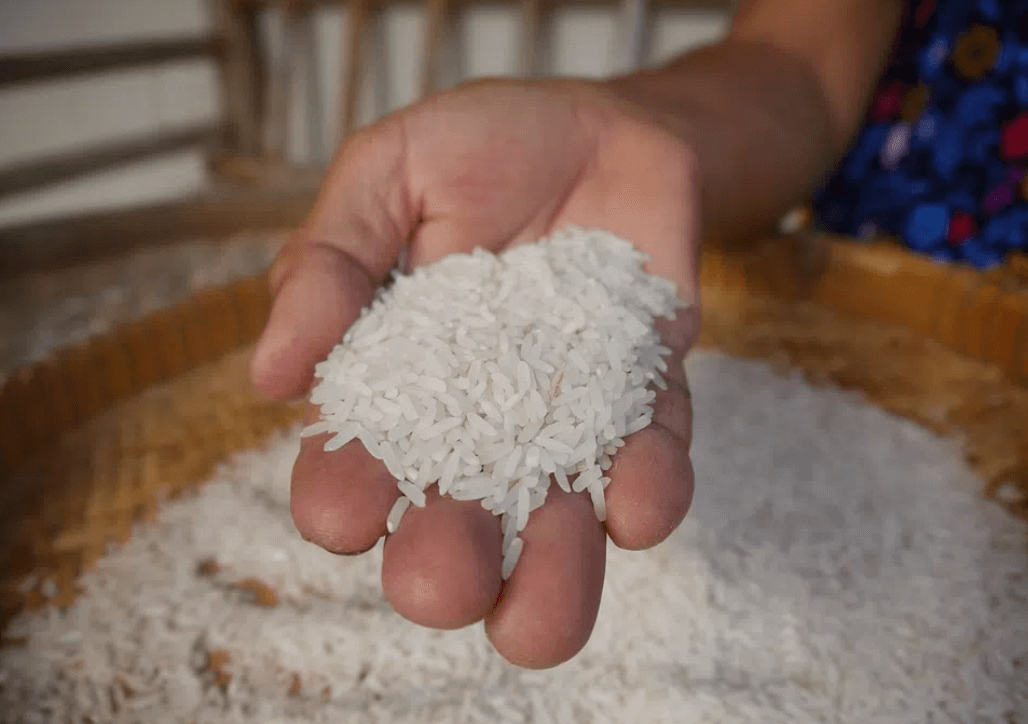
Rice is a staple crop for half of the world’s population, especially in tropical countries of Asia, South America, and Africa. Rice grains are low in vitamin B1, and processing processes such as milling (grinding the outer layer to remove the bran) further reduce vitamin B1, resulting in 90% of it being ingested along with vitamin B1. Therefore, this habit further exacerbates chronic deficiencies.
Teresa Fitzpatrick’s laboratory, a full professor in the Department of Plant Sciences at UNIGE’s Faculty of Science, specializes in vitamin biosynthesis and degradation pathways in plants. Her group is collaborating with teams at ETH Zurich and Taiwan’s NCHU to improve the vitamin B1 content of rice’s endosperm, the nutritional tissue that makes up the bulk of the seed and therefore the bulk of what we eat. focused.
“Previous biofortification efforts by other teams have been successful in increasing the vitamin B1 content of leaves and bran (the outer layer of rice grains), but the vitamin B1 content of ready-to-eat rice grains is “In our study, we specifically targeted the increase in vitamin B1 content in the endosperm,” explains Teresa Fitzpatrick, lead author of the study. The researchers generated a rice line that expresses a gene that sequesters vitamin B1 in endosperm tissue in a controlled manner. When grown in a greenhouse, the rice grains were harvested and polished, the rice grains from these lines were found to have increased vitamin B1 content.
Promising experimental crops
This line was then sown in an experimental field in Taiwan and grown for several years. From an agronomic point of view, the analyzed traits were the same for both modified and unmodified rice. Plant height, number of stems per plant, grain weight, and fertility were all comparable. On the other hand, in improved lines, the amount of vitamin B1 in the rice grains after the milling stage increases by 3 to 4 times. Therefore, this modification allows accumulation of vitamin B1 without affecting yield.
“Most of this type of research is done using crops grown in greenhouses. The fact that it remains stable for a long time without giving up is very promising,” says Wilhelm Gruissem, Professor Emeritus at ETH. Distinguished Professor and Yushan Fellow at National Chuo University, Zurich. 300 grams of rice made from this crop provides about one-third of the recommended daily intake of vitamin B1 for adults. The next step towards the goal of biofortified plants containing vitamin B1 is to pursue this approach in commercial varieties. However, before these plants can be cultivated, regulatory measures regarding biofortification through genetic engineering must be taken.
Read the original post here
