

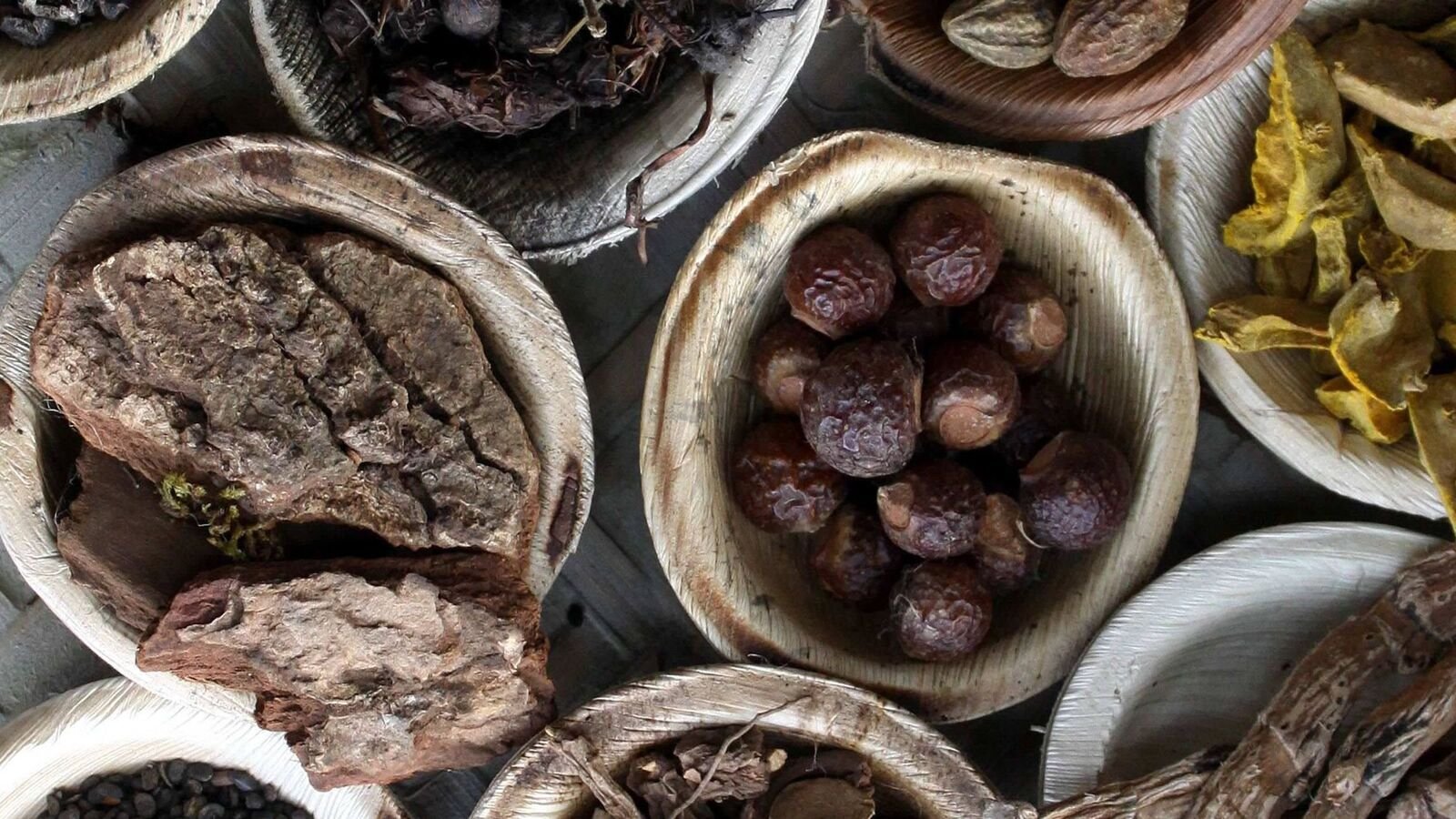
NEW DELHI: The Ayush Ministry says it is encouraging its hospitals and wellness centers to conduct studies showing the effectiveness and health benefits of alternative medicine.
This is part of the Center’s efforts to increase the prevalence, adoption and acceptance of alternative medicine.
Ayush works in six areas: Ayurveda, Yoga, Naturopathy, Unani, Siddha, Sowa Rigpa and Homeopathy. The Center has taken steps to encourage Ayush institutes to carry out research in collaboration with the Indian Council of Medical Research (ICMR).
“During the coronavirus pandemic, the Ministry of Ayush conducted over 150 research studies.Recently, WHO International Classification of Diseases (ICD-11) TM2 included ASU (Ayurvedic, Unani, Siddha) disease nomenclature. “This is another proof that it is research-based and a collaborative effort,” Ayush Secretary VD Rajesh Koteka said.
The legitimacy of Ayush’s practice is sometimes questioned, and its application is often limited to yoga and therapeutic activities. The Ministry aims to dispel this myth and provide empirical evidence of its importance.
“Standardization, clinical research and safety research are the cornerstones of research councils operating across the country. We have also worked on various joint research projects as per the research model, apart from many international collaborations such as DBT, AIIMS, ILBS, etc.,” Koteka added.
There are five research councils under the Ayush Ministry: Council of Centers for Research in Ayurvedic Sciences (CCRAS), Central Council for Research in Homeopathy (CCRH), Central Council for Unani Medical Research (CCRUM), and Central Council for Research in Homeopathy. . Yoga and Naturopathy (CCRYN), and Central Council of Siddha Research (CCRS).
CCRAS, an autonomous body under the Ministry, conducts, coordinates, formulates and promotes research on the scientific lineage of Ayurveda. According to the Ministry of Ayush, CCRAS is already conducting clinical research on around 50 health issues including cardiovascular diseases, hemiplegia, malaria, obesity and dyslipidemia, peptic ulcers, asthma and chronic bronchitis.
Currently, there are 30 institutions working on clinical research programs with CCRAS, including Central Ayurvedic Institutes in Delhi, Bhubaneswar, Kolkata and Patiala, and Regional Ayurvedic Institutes in Jaipur, Lucknow and other cities.
The Ministry focuses on the importance of evidence-based research and innovation, recognizes the global shift towards chronic and non-communicable diseases, and promotes a holistic, patient-centered approach to healthcare. , has emphasized the integration of conventional systems and conventional medicine. To reflect our efforts to develop good research practices, we have developed general guidelines for research and development at Ayush.
Last month, the Ministry of Health announced the AIIMS, with the aim of identifying priority areas where integrative medicine approaches have potential and conducting integrated research in these priority areas to generate robust evidence and implement medical practices. AYUSH-ICMR Advanced Center for Integrative Health Research was launched. Mechanistic research to explain integrative medical approaches.
The Center had earlier announced that it has released the Indian Public Health Standards (IPHS), a uniform set of standards to improve the quality of healthcare delivery. By adopting these reforms, the Center expects that states/UTs will be able to develop Ayush health services with consistent standards and quality infrastructure.
Unlock a world of benefits! From insightful newsletters to real-time inventory tracking, breaking news and personalized newsfeeds, it’s all here, just a click away. Log in here!
