

In summary
Folic acid reduces the risk of birth defects, so the FDA requires bread manufacturers to include it in their fortified breads. California could extend its mandate to tortillas and foods made with corn masa flour.
history in spanish
Corn chips, tortillas, tamales, pupusas, and other delicious foods can all be lacking in vitamins that are important for women of reproductive age.
Folic acid has long been used to prevent serious birth defects and help babies develop. Medical and public health experts advise taking it daily during pregnancy as well as in the months leading up to pregnancy. This B vitamin is so important that the federal government requires certain foods, such as fortified breads and cereals, to contain folic acid.
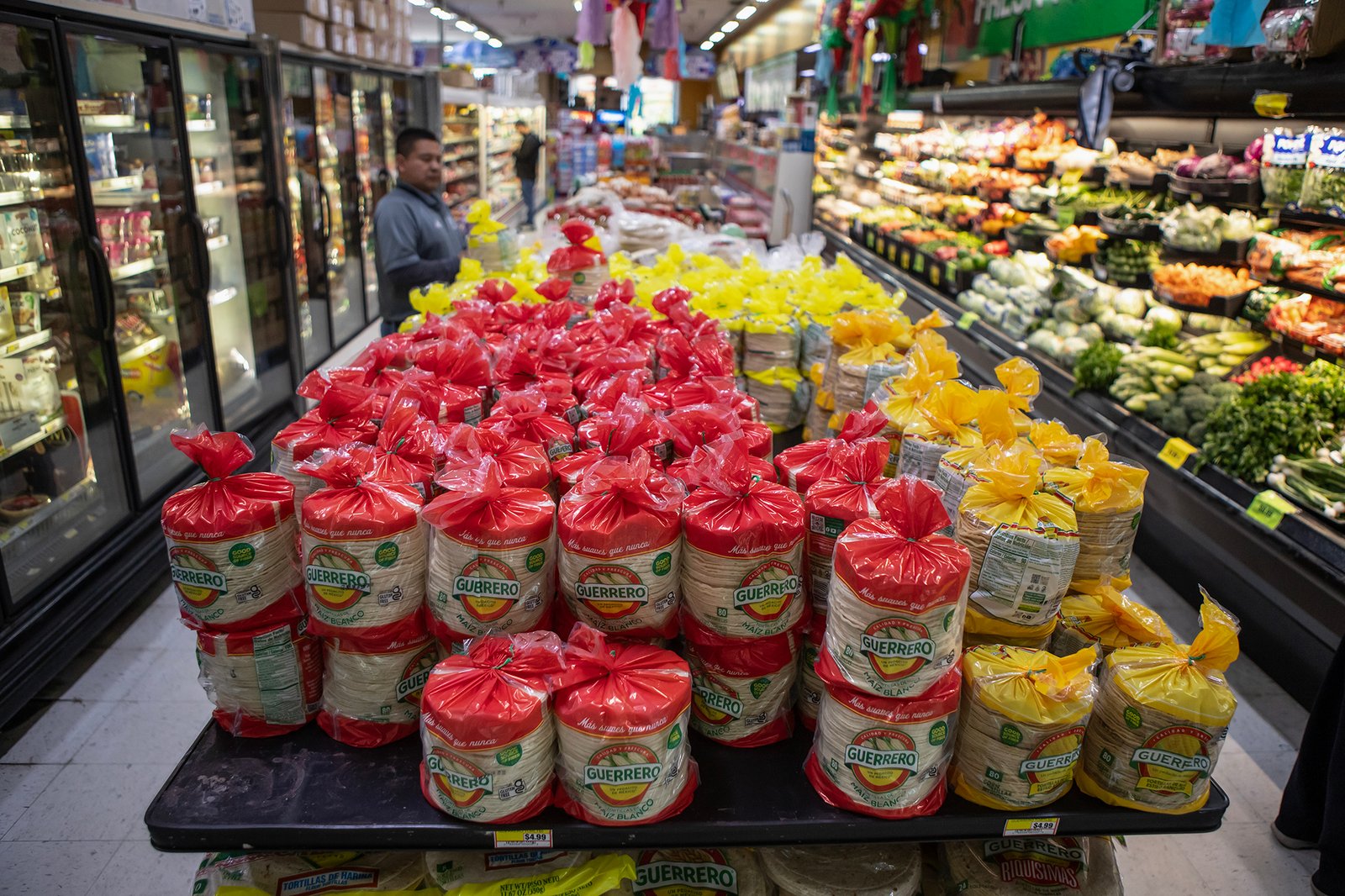
California lawmakers are currently introducing a bill that would require manufacturers of corn masa flour, which is used to make many classic Latin foods, to add folic acid to their products. Rep. Joaquin Arambula, a Fresno Democrat and physician, is introducing Assembly Bill 1830. The bill would require producers to add 0.7 milligrams of folic acid per pound of masa and to reflect this addition on nutrition labels.
Arambula wants to address the glaring disparities in who can get the amount of folic acid they need. State public health data shows that Latinos are less likely than other races and ethnicities to take folic acid during or before pregnancy. This increases the risk of having a child with birth defects of the brain or spinal cord, most commonly spina bifida and anencephaly.
Folic acid, or synthetic folate, promotes healthy cell growth. Studies have shown that taking folic acid before and during early pregnancy can prevent up to 70% of birth defects.
“Food is the best way for our community to get folic acid before getting pregnant,” Arambula told CalMatters. “Prenatal vitamins given to pregnant women are often given too late.”
That’s because the brain and spine begin to form within the first four weeks of pregnancy. During this time, many people may not even know they are pregnant, especially if it is an unplanned pregnancy.
The U.S. Food and Drug Administration followed that rationale in 1998 when it issued a mandate requiring fortified grain products such as cereal, bread, pasta, and rice to be fortified with folic acid. Since the rule went into effect, the rate of babies born with neural tube defects has decreased by 35%, or about 1,300 fewer babies each year, according to the Centers for Disease Control and Prevention.
The FDA did not include corn masa flour in its folic acid mandate. Continuing to ignore that is “a real oversight,” Arambula said. Culturally, the diets of many Latinos, especially immigrants and first-generation residents, often rely heavily on corn flour.
Latinos consume less folic acid
As a maternal-fetal medicine specialist on California’s Central Coast, Dr. Megan Jones sees many high-risk pregnancies among Latino farmworkers.
She sees babies born with neural tube defects, cleft lips, heart defects, and more.
“We’ve just had two babies with spina bifida in the last six months, back to back. I’m not saying this happens every month, but neural tube defects are a big problem,” Jones said. . “This affects the child’s ability to walk, use the toilet, and orthopedic abilities. This is a big undertaking for families. Generally speaking, three or four of these phenomena occur in a year. I think just being able to see it will have a big impact on the community.”
And while it’s difficult to pinpoint exactly what’s causing it in each case, high blood pressure, diabetes and folate deficiency may play a role, she said.

The CDC recommends that all women of reproductive age take 400 micrograms of folic acid, often found in prenatal and postnatal and women’s multivitamins. However, Latina and Black women are less likely to take them before pregnancy.
According to the California Department of Public Health, about 28% of Latinos reported taking folic acid in the month before pregnancy between 2017 and 2019, the latest year for which state data is available. This compares to 46% of her white women. Women enrolled in Medi-Cal, the state’s public health insurance program for low-income people, were less likely to take folic acid before pregnancy than women with private insurance.
Regionally, women in the San Joaquin Valley and the northernmost part of the state were less likely to take folic acid.
Comparison of voluntary and mandatory folic acid in foods
Mexico began requiring corn masa to be fortified with folic acid in 2008, but enforcement of that mandate has been slow, according to a study conducted by Columbia University and Mexico’s National Institute of Public Health.
Meanwhile, the U.S. government has long acknowledged the potential benefits of fortifying corn masa with folic acid, but still does not require it. In a 2009 study, the CDC wrote: “Fortification of corn masa flour products can increase folic acid intake by nearly 20 percent in Mexican Americans. 30 to 40 percent increased risk of severe brain and spinal birth defects.”
Following increasing data and support, in April 2016, the FDA approved a petition to allow corn masa flour manufacturers to add folic acid to their products. Although it was voluntary, producers were slow to respond. Two years after the FDA’s announcement, a study published in the Journal of the American Medical Association found that corn masa flour contains only 10% folic acid. None of the corn tortillas I tested did that.
The Center for Science in the Public Interest, a consumer advocacy group, conducted an independent study of hundreds of corn masa products from 2018 to 2022 and found that folic acid was present in just 14% of corn masa flour, compared to 476 analyzed. Corn tortilla products did not contain folic acid. .
Learn more about the legislators mentioned in this article.
Arambula’s bill is sponsored by the American College of Obstetricians and Gynecologists. The bill has passed its first policy committee and so far there are no registered opponents.
The March of Dimes, which advocates for maternal and child health, has long advocated adding folic acid to corn masa so more women can get it through their diets. David Pisani, director of advocacy and government for the March of Dimes, said local advocates believe California’s decision could have a national impact and bring the issue back to the forefront. He said he believed that.
“Folic acid hasn’t been on the tip of people’s tongues for quite some time,” Pisani says. “You don’t read about it or hear about it, and I think it’s because there’s this misconception, well, isn’t there already a misconception about everything that most people consume? Obviously, everything The answer is not found in any product.
Supported by the California Health Care Foundation (CHCF). People will be able to receive the care they need, when they need it, at an affordable price.visit www.chcf.org You can learn more.
Source link
