

This article is included in the following additional categories:
Researchers from the University of Geneva (UNIGE), ETH Zurich, and National Chung Hsing University (NCHU) in Taiwan have made a breakthrough in the biofortification of rice, the staple food for almost half of the world’s population. Their findings, recently published in the Plant Biotechnology Journal, revealed rice lines significantly enriched in vitamin B1 (thiamine) content. This development holds great promise for solving vitamin B1 deficiency, which is prevalent in regions that rely heavily on rice-based diets.
Fortify nutrients without sacrificing yield
Vitamins are essential micronutrients that cannot be synthesized by the human body and must be obtained from the diet. Nutrient deficiencies are common in areas with limited dietary diversity that rely primarily on staple foods such as rice. Rice, an important energy source, is low in essential micronutrients, especially vitamin B1 (thiamine), which are important for energy metabolism and nervous system function.
Thiamin deficiency causes fatigue, muscle weakness, and cognitive impairment, which can progress to serious health problems like beriberi, which is characterized by heart failure and nerve damage. This is especially problematic if white rice is the mainstay of your diet, as white rice strips you of most natural vitamins. To prevent such deficiencies, it is essential to ensure dietary diversity and fortify foods.
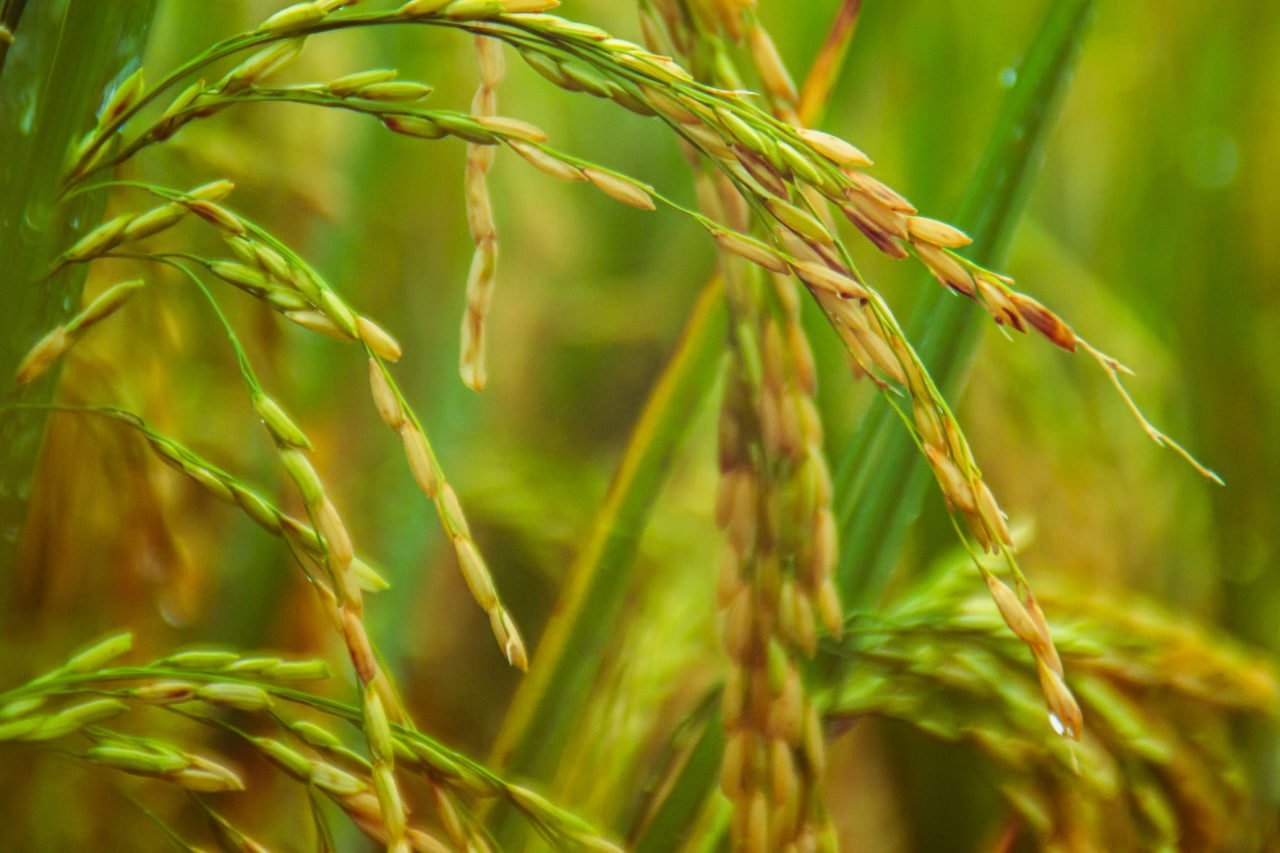
A research team led by Teresa Fitzpatrick at UNIGE has developed a rice variety that specifically increases vitamin B1 levels in the endosperm, the most commonly consumed part of the rice grain. This approach differs from previous efforts to increase vitamin B1 in less-consumed parts of rice, such as leaves and bran. The engineered rice lines maintain typical agronomic traits such as plant height, grain weight, and overall fertility, resulting in enhanced nutritional benefits without sacrificing yield loss.
Risk and market considerations
This innovation brings a variety of business opportunities to the agricultural sector. Seed companies, agricultural technology companies, and the World Health Organization may be particularly interested in commercializing these biofortified rice varieties. However, before they reach market, they must navigate the complex regulatory landscape governing genetically modified organisms (GMOs). Companies entering this space must be prepared to navigate these regulatory frameworks, which vary widely across global markets.
Although the benefits of biofortified rice are clear, potential risks and market resistance to GMO products must be considered. Consumer awareness of genetically modified foods remains mixed. In some regions, there is a strong preference for non-GMO foods. Companies involved in commercializing biofortified rice should invest in consumer education and transparent communication to alleviate concerns and increase market acceptance. The development of rice varieties enriched with vitamin B1 content represents a dual opportunity to combat nutritional deficiencies and generate economic value.
