

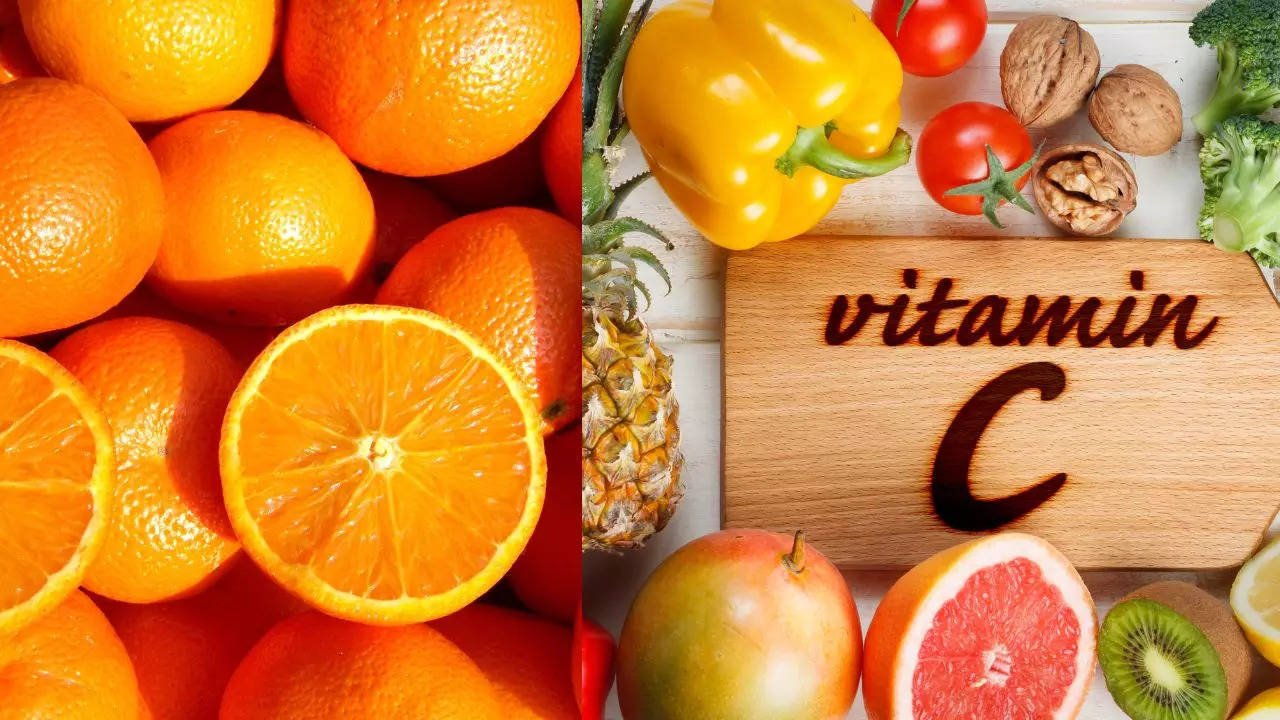
The scorching heat of summer can have a negative impact on your health, often stripping your body of essential nutrients and causing dehydration. Because of this, our bodies require more nutrition and hydration to maintain heat and replenish lost nutrients. Interestingly, vitamin C is one of the antioxidants that can help reverse the damage caused by excessive oxidative stress and restore immunity. Here are some foods that are naturally rich in vitamin C and contain more vitamin C than an orange. So read on to find out…
What is vitamin C? Why do I need it?
Vitamin C is an essential antioxidant that helps protect cells from damage caused by harmful free radicals, reducing the risk of chronic diseases such as cancer and heart disease. Vitamin C also plays an important role in strengthening the immune system, aiding in the production and function of white blood cells that fight infection and disease.
Apart from that, it is also essential for the synthesis of collagen, a protein that supports the structure and strength of tissues, skin, bones, and blood vessels. Finally, getting enough vitamin C is necessary for overall health and vitality, especially during the summer months. Here are some common foods that have more vitamin C than oranges. Read on to find out…
red pepper
Oranges typically contain about 53mg of vitamin C per 100g serving, but adding red peppers to your diet will give you about 127mg of vitamin C per 100g serving. Red bell peppers are also a good source of vitamin A, which is essential for vision, health, and immune function. It also contains vitamin B6, vitamin K1, folic acid, and essential minerals such as potassium and manganese. Red bell peppers are rich in antioxidants such as carotenoids and flavonoids, which can help reduce inflammation and protect against chronic disease.
Cassis
Blackcurrants are a nutrient-dense berry rich in essential vitamins and minerals such as vitamin K, vitamin B5, and manganese, as well as dietary fiber that supports digestive health. Blackcurrants are also rich in antioxidants such as anthocyanins and flavonoids, which can help reduce inflammation and protect against chronic disease. It is particularly notable for its high content of vitamin C, with approximately 181 milligrams per 100 grams, more than three times as much as an orange.
kiwi
Kiwi is rich in vitamin C, minerals, dietary fiber, and minerals that help promote metabolism as well as overall health, with kiwi containing approximately 93 mg of vitamin C per 100 grams.
strawberry
Berries are known for their high antioxidants and rich fiber content, making them great for promoting overall metabolic health and boosting immunity. Strawberries contain about 58 mg of vitamin C per 100 grams.
papaya
Papaya is another such fruit, which is great for diabetics and people trying to lose weight as it is rich in antioxidants and dietary fiber that promotes overall digestive health. Papaya contains about 60 mg of vitamin C per 100 grams.
pineapple
Pineapple is a fruit that contains about 47 milligrams of vitamin C per 100 grams. This fruit contains vitamin C, bromelain, and other essential nutrients, making it a great addition to a healthy diet.
guava
Guava is known for its unique taste and powerful health benefits, and this fruit contains approximately 228 mg of vitamin C per 100 grams. Guavas are also a good source of dietary fiber, potassium, and vitamin A, which are essential for eye health and immune function. Guava contains antioxidants such as carotenoids and polyphenols, which help fight oxidative stress and inflammation in the body.
What is vitamin C? Why do I need it?
Vitamin C is an essential antioxidant that helps protect cells from damage caused by harmful free radicals, reducing the risk of chronic diseases such as cancer and heart disease. Vitamin C also plays an important role in strengthening the immune system, aiding in the production and function of white blood cells that fight infection and disease.
Apart from that, it is also essential for the synthesis of collagen, a protein that supports the structure and strength of tissues, skin, bones, and blood vessels. Finally, getting enough vitamin C is necessary for overall health and vitality, especially during the summer months. Here are some common foods that have more vitamin C than oranges. Read on to find out…
red pepper
Oranges typically contain about 53mg of vitamin C per 100g serving, but adding red peppers to your diet will give you about 127mg of vitamin C per 100g serving. Red bell peppers are also a good source of vitamin A, which is essential for vision, health, and immune function. It also contains vitamin B6, vitamin K1, folic acid, and essential minerals such as potassium and manganese. Red bell peppers are rich in antioxidants such as carotenoids and flavonoids, which can help reduce inflammation and protect against chronic disease.
Cassis
Blackcurrants are a nutrient-dense berry rich in essential vitamins and minerals such as vitamin K, vitamin B5, and manganese, as well as dietary fiber that supports digestive health. Blackcurrants are also rich in antioxidants such as anthocyanins and flavonoids, which can help reduce inflammation and protect against chronic disease. It is particularly notable for its high content of vitamin C, with approximately 181 milligrams per 100 grams, more than three times as much as an orange.
Expanding
kiwi
Kiwi is rich in vitamin C, minerals, dietary fiber, and minerals that help promote metabolism as well as overall health, with kiwi containing approximately 93 mg of vitamin C per 100 grams.
strawberry
Berries are known for their high antioxidants and rich fiber content, making them great for promoting overall metabolic health and boosting immunity. Strawberries contain about 58 mg of vitamin C per 100 grams.
papaya
Papaya is another such fruit, which is great for diabetics and people trying to lose weight as it is rich in antioxidants and dietary fiber that promotes overall digestive health. Papaya contains about 60 mg of vitamin C per 100 grams.
pineapple
Pineapple is a fruit that contains about 47 milligrams of vitamin C per 100 grams. This fruit contains vitamin C, bromelain, and other essential nutrients, making it a great addition to a healthy diet.
guava
Guava is known for its unique taste and powerful health benefits, and this fruit contains approximately 228 mg of vitamin C per 100 grams. Guavas are also a good source of dietary fiber, potassium, and vitamin A, which are essential for eye health and immune function. Guava contains antioxidants such as carotenoids and polyphenols, which help fight oxidative stress and inflammation in the body.
