

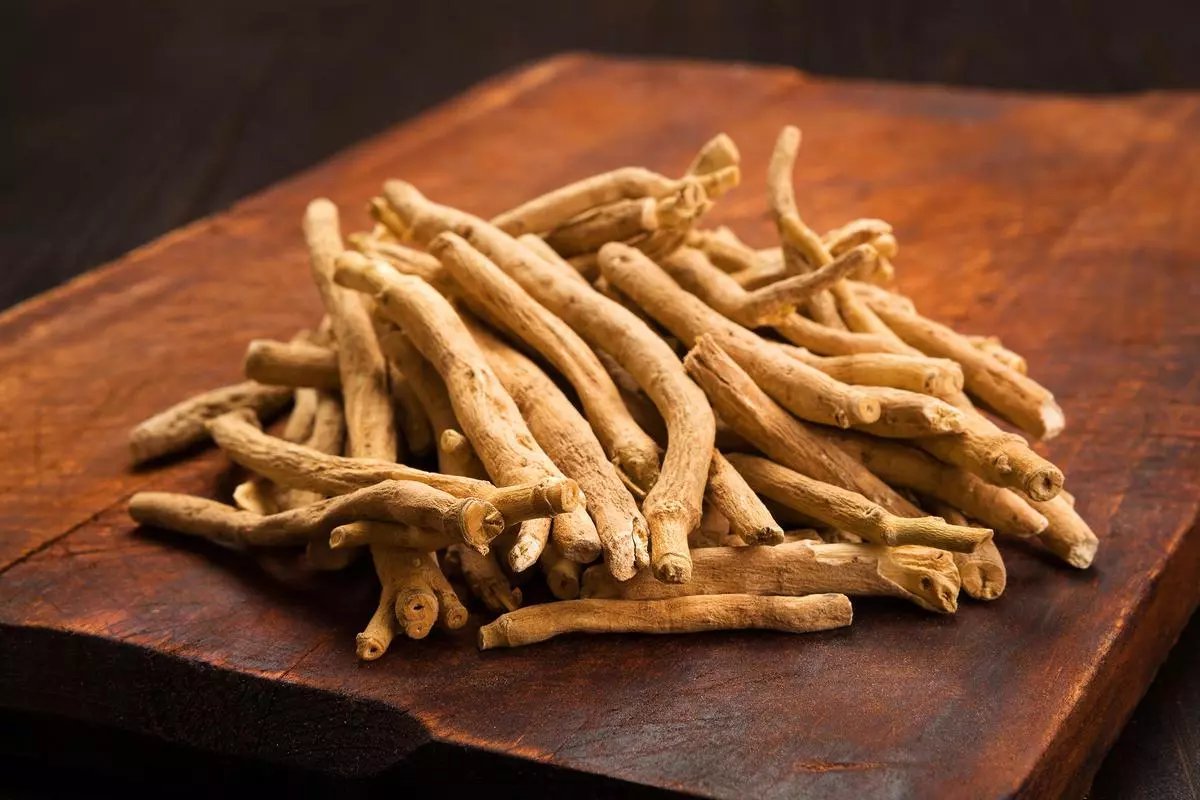
Ashwagandha (Withania somnifera), Indian ginseng is gaining popularity in India and abroad.All retailers of Ayurvedic medicines quantum Officials said ashwagandha is a “rapidly evolving product.” Chennai-based Indian Physicians Cooperative Pharmacies and Stores Ltd. (IMPCOPS), one of the leading manufacturers of Ayurvedic (and Siddha) products with 29 stores in Tamil Nadu, says sales of ashwagandha are increasing year on year. Stated.
In recent years, ashwagandha has been the subject of intense scientific debate around the world, with dozens of scientific papers regarding its properties published in various professional journals.even national geographic Ashwagandha was featured in the latest issue of the magazine.
As ashwagandha’s popularity has grown in some Western countries, the number of human trials evaluating its effectiveness on a variety of conditions has since increased, says Clinical Research Australia researcher Adrian. said L. Lopresti and Stephen J. Smith.
A review of several research papers reveals that there is near consensus that ashwagandha is a kind of wonder drug with uses ranging from anti-neurodegenerative to aphrodisiac, narcotic, and stimulant.
However, all papers warn that over-the-counter drugs have many downsides and require strict medical supervision when taken. Denmark has banned the sale of ashwagandha, and many other Nordic countries are also considering banning the sale of ashwagandha.
mysterious medicine
There is little doubt that ashwagandha has immense beneficial effects. A detailed research paper from Ponzan Medical School delves into the details of ashwagandha’s benefits. The report notes that “a growing body of research on ashwagandha highlights its potential as a valuable natural treatment for many health concerns.” The paper documents that ashwagandha helps with stress management, cognitive function, and physical performance. Some studies suggest that ashwagandha consumption may exhibit neuroprotective, anti-inflammatory, immunomodulatory, and antibacterial properties.
What’s inside?
Ashwagandha contains active substances called withanolides and alkaloids. Withanolides are organic compounds known to have medicinal properties. Alkaloids are also organic compounds (compounds of carbon) and are generally known for their analgesic effects. Caffeine and nicotine are one of the well-known alkaloids.
Withanolides are useful in treating neurodegenerative diseases such as Alzheimer’s disease, Parkinson’s disease, and dementia. These diseases are caused by deposits of a protein called beta-amyloid in the brain (called “senile plaques”). Withaferin A, found in ashwagandha, fights beta amyloid.
Mr Lopresti and Mr Smith of Clinical Research Australia reviewed 41 studies examining the effects of ashwagandha on stress and anxiety, sexual function and fertility, athletic performance, cognitive performance, pain, fatigue, thyroid function, schizophrenia and diabetes. (32 cases in India). , obsessive-compulsive disorder (OCD), insomnia, hypercholesterolemia, and tuberculosis. The results of most of these studies show positive effects of ashwagandha consumption, although there are significant differences in treatment dose, duration, and type of extract.
So should I rush to the pharmacy to buy a bottle of this drug (which, by the way, comes in the form of tablets, powder, liquid and paste)? No, please stop.
Caution is required
Some of the papers reviewed by quantum (and national geographic) We emphasize that the full effects of ashwagandha, including all contraindications, are still not well understood. For example, men with hormone-sensitive prostate cancer should not use ashwagandha. Because ashwagandha increases the production of testosterone, which accelerates the progression of the disease. Ashwagandha is also contraindicated in patients who are planning to become pregnant or who are pregnant, as the use of high doses of ashwagandha root extract can lead to miscarriage.
The Ponzan University paper also points out that there are numerous reports of liver damage associated with ashwagandha intake. It also says, “Patients taking hypoglycemic, antihypertensive, or immunosuppressive medications and those suffering from autoimmune diseases should talk to their doctor about the possibility of ashwagandha therapy.”
Scientists at the Technical University of Denmark (DTU) have concluded that ashwagandha extracts may only have a negative effect on thyroid and sex hormones, and therefore recommend lower limits for ashwagandha intake based on available scientific data. I concluded that it cannot be configured.
Amar G. Chittiboina of the U.S. National Center for Natural Products Research points out that concerns about ashwagandha’s safety include “a lack of information regarding the validation of the plant materials used in the research.”
The lesson from all this is clear. Ashwagandha is very good, but consult your doctor before using it.
This is the last free article.
