

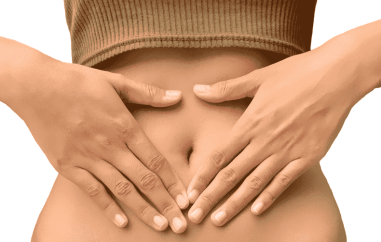
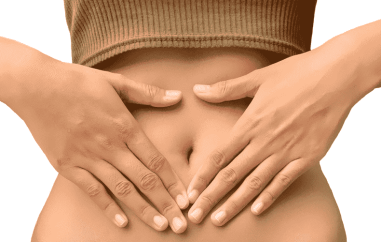
 Trillions of microorganisms operate silently in the human body’s complex ecosystem, largely unnoticed, yet fundamentally important to our health. This bustling community of bacteria, fungi, viruses, and other tiny organisms forms what scientists call the microbiome, a dynamic environment that exists primarily in our guts. Once overlooked, recent scientific discoveries show that the microbiome plays a critical role in not only maintaining digestive health but also deeply impacting our overall health. It became clear.
At the forefront of this burgeoning field of research, scientists are uncovering countless reasons why cultivating a healthy microbiome is paramount to human health. From boosting your immune system to impacting your mental health, take a comprehensive look at why your gut microbiome is so important.
1. Digestive health:
Perhaps the microbiome’s best-known function is its role in digestion. Our intestines contain a complex network of bacteria that help break down food, extract nutrients, and even synthesize essential vitamins. A balanced microbiome ensures efficient digestion and absorption, reducing the risk of gastrointestinal problems such as irritable bowel syndrome (IBS), constipation, and inflammatory bowel disease (IBD).
2. Immune system support:
Surprisingly, approximately 70% of the body’s immune cells reside in the gut, making it the first line of defense against pathogens and infections. The microbiome plays a vital role in training and regulating the immune system, which distinguishes between harmful invaders and beneficial microorganisms. A diverse and balanced microbiome strengthens your immune response and helps prevent autoimmune diseases, allergies, and infections.
3. Mental health and mood regulation:
The gut-brain axis, a bi-directional communication network between the gut and the brain, highlights the profound impact the microbiome has on mental health. Research shows that the composition of your gut bacteria influences the production of neurotransmitters, which can influence mood, cognition, and behavior. Microbiome imbalances have been linked to conditions such as depression, anxiety, and even neurodegenerative diseases, highlighting the importance of a healthy gut for mental well-being.
4. Metabolic health and weight regulation:
Emerging evidence shows that the microbiome plays an important role in metabolism and weight management. Certain bacterial strains are associated with increased energy extraction from food and fat storage, contributing to obesity and metabolic disorders. Conversely, a diverse microbiome populated with beneficial bacteria supports weight loss efforts and reduces the risk of metabolic syndrome, diabetes, and cardiovascular disease.
5. Skin health:
The connection between your gut and your skin may seem unlikely, but research suggests that your microbiome influences the health and appearance of your skin. Imbalances in gut bacteria can cause inflammation and worsen skin conditions such as acne, eczema, and psoriasis. By maintaining a healthy microbiome, individuals can experience clearer, healthier skin, demonstrating the interconnectedness of internal and external health.
6. Longevity and aging:
As we age, the composition of our microbiome changes and is often characterized by a decrease in diversity and an increase in harmful bacteria. This age-related dysbiosis is associated with a variety of age-related diseases, including cognitive decline, frailty, and chronic inflammation. Nurturing a healthy microbiome throughout life may reduce these effects and promote longevity and healthy aging.
From digestion to immunity, mental health to longevity, the influence of the microbiome permeates every aspect of our well-being. As our understanding of this complex ecosystem increases, so does our appreciation of its importance in maintaining optimal health. Cultivating a diverse and resilient microbiome through a balanced diet, probiotics, prebiotics, and lifestyle choices is not only beneficial, but essential to thriving in the modern world.
In the pursuit of health, perhaps the key is not to overlook the microscopic organisms that exist within us, but to embrace and nurture them as essential partners in our journey towards health and vitality. There is a particular thing.
As the saying goes, “A healthy gut is a happy gut,” and in fact, a happy gut paves the way to a happier, healthier life.
Image by Alicia Harper from Pixabay
