

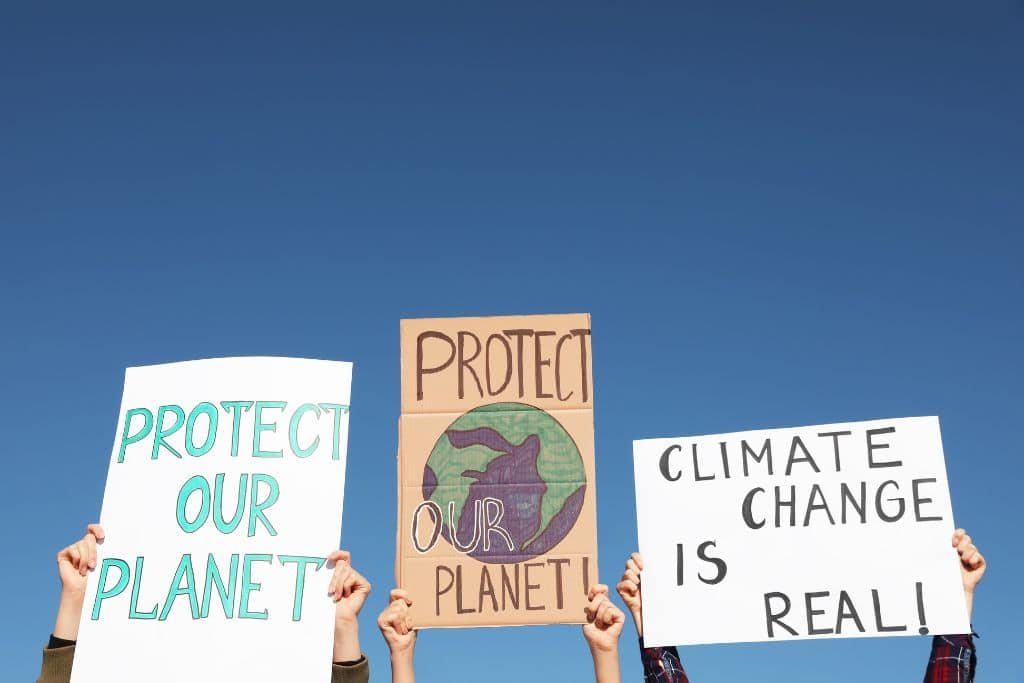
Our mental health and well-being are negatively impacted by the news and first-hand experience of climate change and other pressing environmental issues impacting our planet. In a rapidly changing world, we must learn how to prioritize self-care and coping mechanisms to continue making positive changes for a better tomorrow without sacrificing our mental health. It won’t.
—
Pollution, natural disasters, and other environmental disasters have left many people worried about the future of our planet. In 2022, the National Institute for Healthcare Management (NICHM) published an infographic that revealed that 61% of the world’s population is worried about climate change, and 67% are scared.
Many of us experience feelings of anxiety and helplessness when exposed to news stories and headlines about natural disasters and the effects of climate change. Experiencing environmental crises first-hand also has a negative impact on our mental health. Natural disasters and extreme weather events are often traumatic and completely change the lives of entire communities. There is no doubt that exposure to environmental crises through news sources and first-hand experiences has a negative impact on our mental health. But for this very reason, we must prioritize self-care and begin learning effective coping strategies to continue making positive changes for a hopeful tomorrow.
You’ll probably also like: What is climate anxiety?
bad news
To understand how exposure to environmental issues through the news can lead to negative emotions and mental health outcomes, we need to understand how we consume information and how it affects our brains. It is important to understand how it affects
First of all, we tend to focus on the negative news and overlook the positive news. This in itself is not a bad thing. This tendency helped keep our ancestors safe and prevent them from being eaten by predators like saber-toothed cats. It may sound counterintuitive, but being in a fight or flight state triggers the release of dopamine, a neurotransmitter that plays an important role in the brain’s reward center. Being chased by a dangerous predator may not seem like a rewarding experience, but for our ancestors, escaping to safety would have been like winning the lottery. The release of dopamine strengthens the motivation to fight or flee to safety.
Instead of running away from wild animals to avoid being eaten, we now have to fight broader existential threats. Most of us scroll through different feeds on different social media apps, consuming information curated to suit our own personal interests. Like our ancestors, we too are alert to what we perceive as potential threats to our survival. Most of us would agree that our social media feeds are full of negative headlines because we have a natural tendency to notice threats to our safety. This is because the algorithm is built to show you the content that generates the most engagement. The headlines that get the most clicks are usually those that align with trends identifying perceived threats. Climate change and other environmental crises pose a threat to our safety and well-being, so it’s no surprise that we’re surrounded by headlines centered around the existential threat of rising temperatures.
Learn more about this topic: 4 ways social media can further advance climate research
Our danger salience is beneficial to us and has ensured our survival for thousands of years. But in today’s world, it does more harm than good to our mental health. Our perceptions are influenced by the information we consume. When we are constantly surrounded by mostly negative information, our mood is negatively affected, whether we realize it or not. Some of us may become desensitized and indifferent to events that trigger an emotional response. Some people experience the opposite, leading to hyperarousal and increased fear as they go about their daily lives. Both of these outcomes are common in people who have experienced traumatic events. Because even if we don’t experience tragedy directly, hearing about it still hurts.
invisible aftermath
While it’s unlikely that you’ll develop post-traumatic stress disorder (PTSD) from watching the news, it’s very possible if you experience a natural disaster. According to the U.S. Department of Veterans Affairs’ National PTSD Center, approximately 30% to 40% of people directly affected by a natural disaster will develop PTSD. A 2023 review examining intervention and treatment options for survivors of natural disasters found that within the first two years after a natural disaster, 5% to 60% of those affected experience PTSD-related symptoms. It became clear.
One of the biggest risk factors for developing PTSD is a lack of social support and low social cohesion among communities. Natural disasters can destroy many people’s lives in a short period of time, leading to loss of housing, unemployment, and even loss of loved ones and pets. For people who already have little social support, these losses can be even more devastating.
Rising temperatures and extreme heat also have a negative impact on our mental health. People with certain pre-existing mental health conditions are estimated to have a 5% increased risk of death for every degree (1.8 degrees Celsius) rise in temperature.
The hottest days of the year can make most people feel irritable and grumpy. Extreme temperatures negatively impact our overall mental health in many ways. First, high temperatures reduce the quality of your sleep. Just as light influences sleep-wake cycles, temperature also plays a role in regulating circadian rhythms. Poor sleep quality negatively impacts mood and worsens mental health conditions such as depression and anxiety.
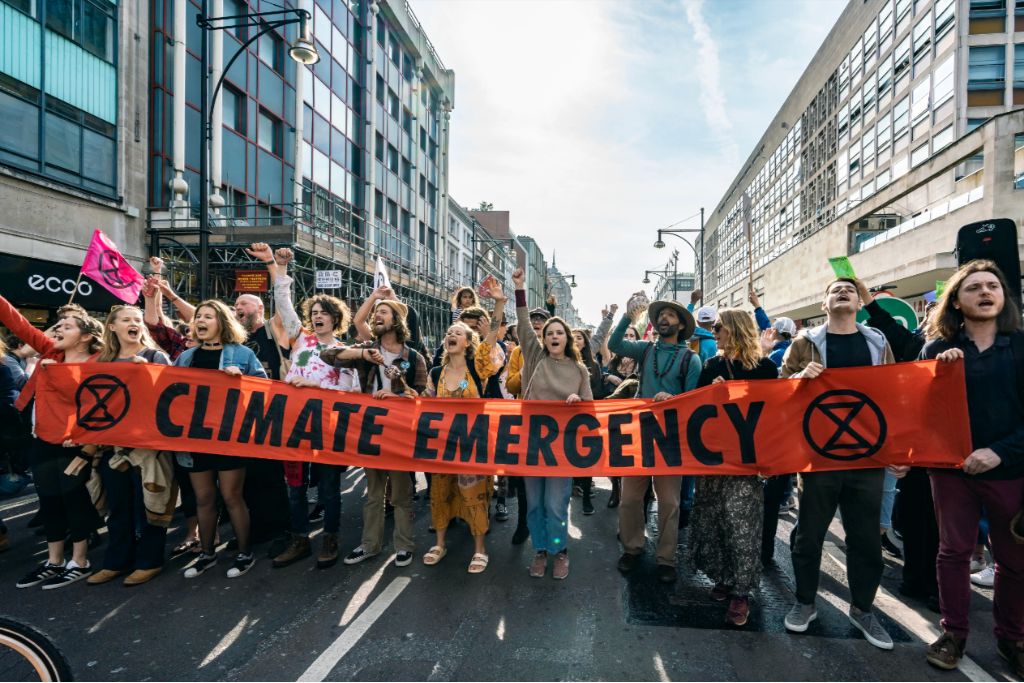
Taking care of yourself means taking care of the earth
Feeling distress when exposed to information about the state of the environment or climate change is not an irrational reaction. If you don’t care, there’s nothing to worry about. For many of us, these feelings serve as a powerful motivator to take the necessary steps to make changes in our personal lives and communities. As you know, these emotions can also lead to poor mental health and well-being. It’s hard to feel motivated when you feel like you’re losing hope. That’s why self-care and coping strategies are important steps to take if we want to continue to have a positive impact on the future of our planet.
If you’re worried about climate change or environmental damage, you may find it difficult to find guilt-free self-care options. When we think of self-care, many people think of things like getting a manicure, spending a day at the spa, eating comforting foods, and going shopping. Some of these activities are harmful to the environment and can cause even more negative emotions in people who are already depressed about the current state of the environment. First, if it produces more negative emotions than before, it’s not self-care. Second, self-care is not one-size-fits-all.
Here are some self-care and coping strategies you can try the next time you notice environmental issues impacting your mental health and well-being.
1. Unplug or unfollow
As mentioned earlier, we are constantly bombarded with information through sources such as news and social media. The unfortunate truth is that much of this information is negative, regardless of the topic. Set a time limit each day to scroll through your phone or take a break from social media. If you think temporarily deleting your social media apps or setting time limits is too much, you also have the option of unfollowing pages that cause anxiety. Note that you can always follow pages you unfollow.
2. Shift your focus to what you can control
We’re not going to save the world overnight. No one can repair the damage done alone. It is important to remember that many problems related to the environment are systemic. Although this is frustrating and often leaves us feeling powerless, there is still much we can do within our control. Sometimes we need to step back from the big issues that are out of our reach and take stock of what changes and impacts we can make in our personal lives and within our communities. Remember, even the smallest things can have a big impact.
3. Get in touch with nature
We spend so much time on our phones worrying about the environment instead of spending time with it that we often forget that the Earth is still very much alive and beautiful. You don’t have to be in the middle of nature to appreciate nature. Go for a walk in your local park or walk around your neighborhood. Research shows that spending 120 minutes outdoors each week, and just 17 minutes per day, can lead to positive mental health and wellness outcomes. If you’re not sure how to spend your time outside, drinking your morning coffee on your patio, planting a small herb garden, or just meditating are great options. If you don’t have a green space nearby, consider incorporating low-maintenance plants into your home.
4. Remember to take care of your physical health and safety
Depending on the weather, you may not be able to go outside and connect with nature. Whether the reason is bad weather or extreme heat, it’s important to always take care of your own physical health and safety. Drink plenty of water to stay cool during heatwaves and avoid going out during the hottest parts of the day. If your air conditioner isn’t working or your home isn’t cool enough, try going to a public place with air, like your local library or grocery store, to beat the heat. During heavy storms, stay inside doors and away from windows. Keep a battery-operated radio on hand in case of a power outage, and be on the lookout for hazards such as downed power lines once the storm has passed. Being prepared and knowing what to do when the weather is bad can help prevent illness and injury and provide some peace of mind in difficult situations.
final thoughts
The environmental crisis and climate change are dire issues that can have a significant impact on our mental health. Whether you’re feeling down from bad news about a natural disaster or recovering from the effects of a severe storm, it’s important to address the impact environmental issues have on our mental health. Taking a break from the news, celebrating the positive impact we’ve made (big or small), and spending time outdoors are simple things we can all do to take care of ourselves. That’s true. Taking care of your mental health also means taking care of your physical health and safety during extreme weather events. When you feel like your best self, you’re more motivated to make positive changes than when you’re feeling hopeless. Remember, there is always a rainbow at the end of every storm.
This story is funded by readers like you
Our nonprofit newsroom provides free climate reporting and advertising. Your one-time or monthly contribution plays a critical role in supporting our operations, expanding our reach and maintaining our editorial independence.
About EO | Mission Statement | Impact and Reach | Write for Us
