

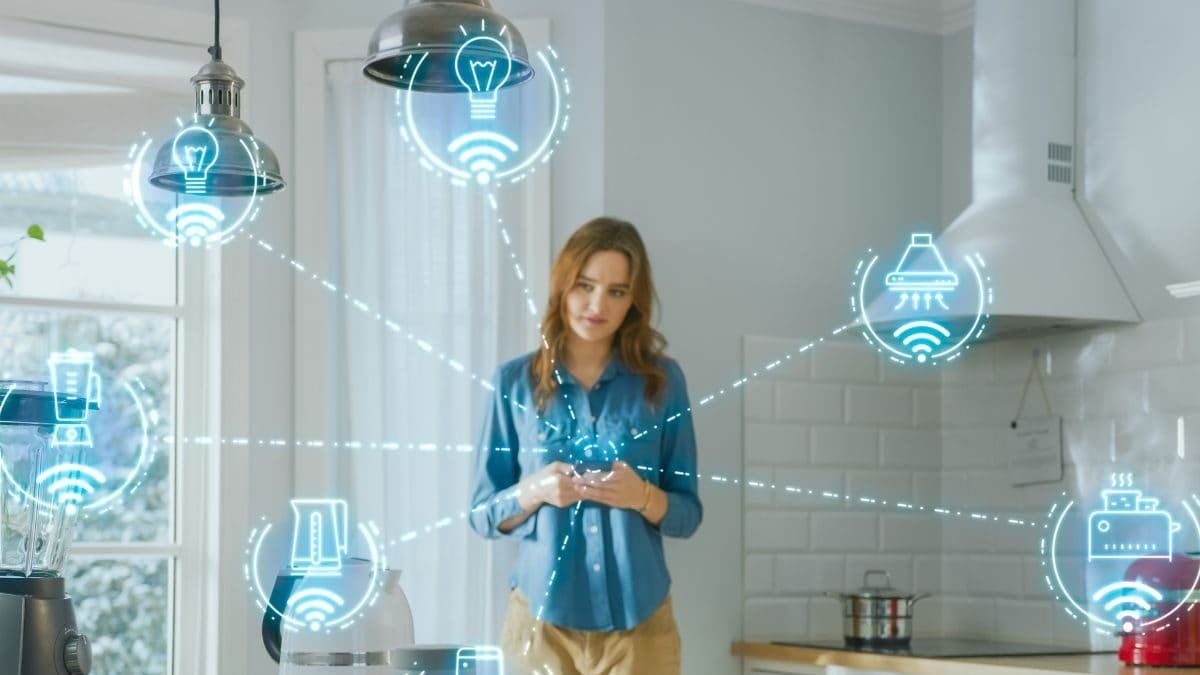
Artificial intelligence (AI) is one of the keywords that sticks out like a neon light in a foggy sky of technological wonders. Enthusiasm for AI has reached new heights, with companies of all types rushing to develop “smarter” products that leverage the technology.
A few years ago, Microsoft founder Bill Gates said that AI could be human’s friend. Similarly, financial wizards like Warren Buffett once said that AI would change the world. Recently, Intel CEO Pat Gelsinger announced the AI chip Gaudi 3 at the Intel Vision 2024 conference and said that all enterprises will adopt AI.
However, these statements do not suggest that certain consumer electronics or technology companies will lose their wits and start putting AI labels on their products just to attract people without adding any value. there is no.
For example, AI smart mattresses claim to use a variety of sensors to monitor a user’s sleep habits and general health, and dynamically respond to a user’s specific requests in real-time. The developers of these smart mattresses claim that they have the potential to significantly improve sleep quality, accelerate sleep onset, and promote deeper, more restorative sleep.
But the tags of “AI” and “smart” have raised eyebrows and put them out of reach for many potential consumers. Additionally, there is growing concern about the potential risks of excessive sleep monitoring. Critics warn that over-reliance on these technologies can unintentionally increase sleep-related anxiety, such as incorrectly determining the presence of sleep problems, and cause unnecessary anxiety. are doing.
Examples of products that may overhype their AI capabilities include AI-powered toothbrushes. Within the vast landscape of oral hygiene, the act of brushing teeth has evolved from an ancient habit to a modern one. While rural areas often rely on traditional neem twigs for dental treatment, urban residents have embraced the convenience of toothbrushes and toothpaste. But in recent years, the market has seen the rise of electric toothbrushes, which promise superior oral hygiene with every vibration.
Amid this dental revolution, companies are introducing the next frontier: AI-enabled toothbrushes. These futuristic gadgets boast advanced technology and hefty price tags. Oral health experts speculate that these AI toothbrushes may be equipped with sensors that monitor your brushing habits and provide real-time feedback through an accompanying app. But they also argue that while feedback is helpful, it doesn’t push the boundaries of AI’s capabilities.
Questions also remain regarding the substantiation of these claims. Are these AI toothbrushes backed by comprehensive studies involving hundreds of participants? Where is the empirical data to validate their effectiveness? Approaching the concept of blindly accepting products with an AI label creates skepticism.
Similarly, another product that is overrated would be the AI refrigerator. As AI extends its reach into our homes, even our ordinary refrigerators are getting a futuristic makeover. But a question arises. Do we really need to turn our refrigerators into AI-powered assistants? AI refrigerators boast features like generating shopping lists and recommending recipes based on inventory, but critics argue that these features are already They claim they are simply replicating tasks that are performed manually or through existing digital platforms. What problem does it solve?
Additionally, integrating Wi-Fi connectivity into AI refrigerators raises privacy concerns. Imagine a scenario where a camera on your refrigerator could monitor your groceries and collect data about your eating habits. This information can be misused by companies to bombard you with highly personalized ads or influence your food choices, leading to unhealthy habits. Additionally, AI-generated recipe recommendations may not necessarily prioritize health or address individual needs and may promote fad diets or unhealthy alternatives based on limited data. there is.
In the field of culinary technology, there are AI cooking devices that are expected to revolutionize meal preparation by cooking with artificial intelligence. However, it still falls short of capturing the essence of a dish, as taste, smell, and texture are still key elements that are difficult for AI to reproduce. Beyond this limit, the complex technology powering these machines makes them expensive to purchase and maintain. Moreover, they will face challenges to widespread adoption as they do not address critical consumer needs.
