

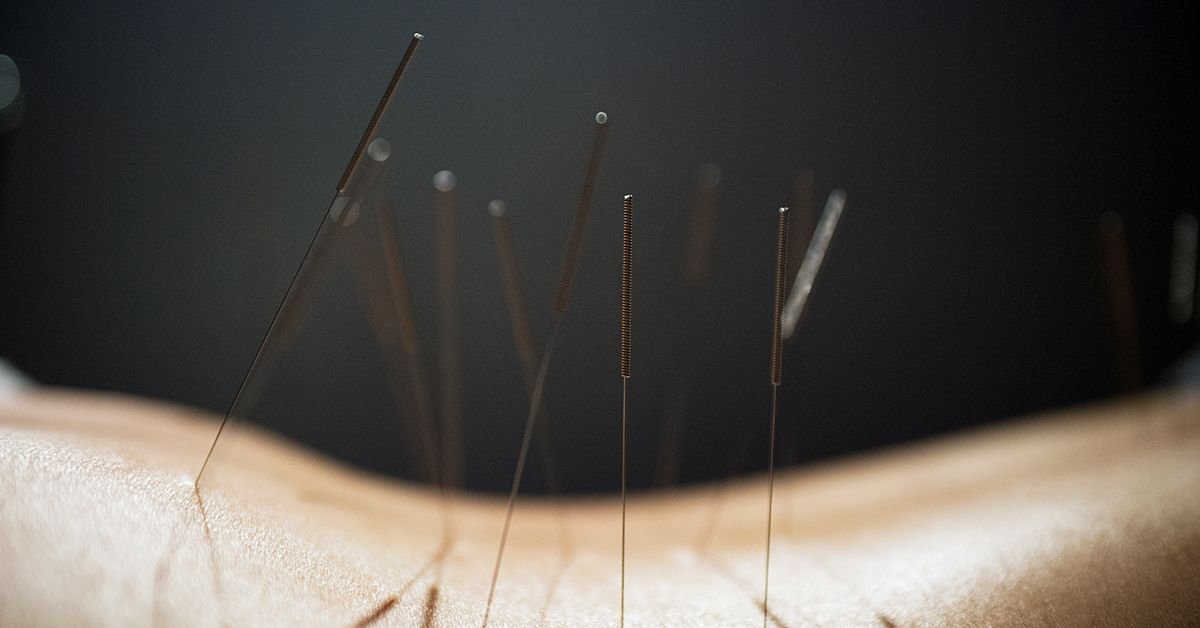
Acupuncture may help reduce symptoms of hidradenitis suppurativa by rebalancing the body’s energy pathways and supporting natural healing, but the evidence behind it is mostly anecdotal .
Hidradenitis suppurativa (HS), also known as acne inverse, is a persistent inflammatory skin disease characterized by painful nodules, abscesses, and drainage tunnels. These often occur in areas where skin friction occurs frequently, such as the armpits, groin, and under the breasts.
Because conventional treatments such as antibiotics have limitations and potential side effects, some HS patients turn to complementary and alternative medicine for potential relief.
Chinese medicine practice can provide a unique perspective on HS, recognizing it as a disorder that affects specific energy pathways in the body, particularly the spleen, liver, and kidney meridians. This disruption leads to heat, moisture, and toxin buildup.
Acupuncture aims to address these imbalances, with the ultimate goal being to increase circulation and reduce inflammation while promoting the body’s natural healing mechanisms.
Although some patients with hidradenitis suppurativa consider acupuncture as an alternative therapy, there is limited scientific evidence supporting the effectiveness of acupuncture in the treatment of HS.
Further studies will be conducted to specifically evaluate the efficacy of BFA in HS patients.
In Traditional Chinese Medicine (TCM), HS is seen as a condition rooted in the body’s struggle to detoxify and promote tissue healing, and is often caused by a lack of “yang” energy, which is responsible for warmth and activity. Related.
To address HS, TCM practitioners may resort to “Wen Tong” or “He Shi San Tong” therapy, which includes acupuncture. Acupuncture needles are strategically inserted to create sensations and heat within the body.
This sensation and heat is thought to stimulate the body’s vital energy (Qi), increasing its resistance to external factors that contribute to this condition.
Needle placement varies, but common points often include points along the spleen, liver, and kidney meridians, which are associated with organs and body systems associated with HS.
For example, the Spleen meridian may help remove dampness and toxins. This is believed to reduce HS symptoms by promoting Qi flow and improving blood circulation in the affected area.
Side effects of acupuncture include:
- Pain or discomfort when inserting the needle
- Bruising and bleeding
- infection
- dizziness or fainting
- pain
- Rare adverse events, including very rare complications such as nerve injury and organ puncture
Other alternative treatments for hidradenitis suppurativa include:
- Ayurveda: A type of holistic medicine that includes dietary modifications, herbal remedies, and detoxification practices to balance the body’s doshas and combat inflammation.
- Chinese medicine: Herbal formulas tailored to address underlying imbalances.
- Cupping therapy: This treatment uses suction cups to promote blood circulation and reduce pain.
- Moxibustion: Moxibustion, a type of TCM, involves burning dried mugwort near acupuncture points for healing.
- diet remedy: This therapy focuses on specific foods based on a TCM diagnosis.
- Aromatherapy: Aromatherapy uses essential oils with anti-inflammatory properties to relieve symptoms of HS.
- Lifestyle recommendations: You can make lifestyle changes such as stress reduction and exercise guidance.
- Emotional and psychological support: Stress management techniques and counseling can benefit your overall health.
- Homeopathy: Homeopathic remedies are customized to an individual’s specific symptoms and constitution in order to stimulate the body’s self-healing mechanisms.
- Dietary supplement: Certain supplements such as zinc, vitamin D, and curcumin may be used because they may reduce inflammation in HS.
- Balne therapy: This therapy involves the use of therapeutic baths, such as salt water baths and mud baths, to reduce the symptoms of HS.
Acupuncture, an ancient practice aimed at harmonizing Qi and activating the body’s natural healing powers, offers a promising avenue for those seeking alternative relief from HS.
Although existing scientific evidence is limited and more rigorous research is needed, anecdotal reports and some studies suggest potential benefits in managing pain and inflammation associated with HS. It has been.
As research advances, acupuncture may become a valuable addition to HS management, providing a holistic approach to addressing both the physical and psychological aspects of this difficult condition.
