

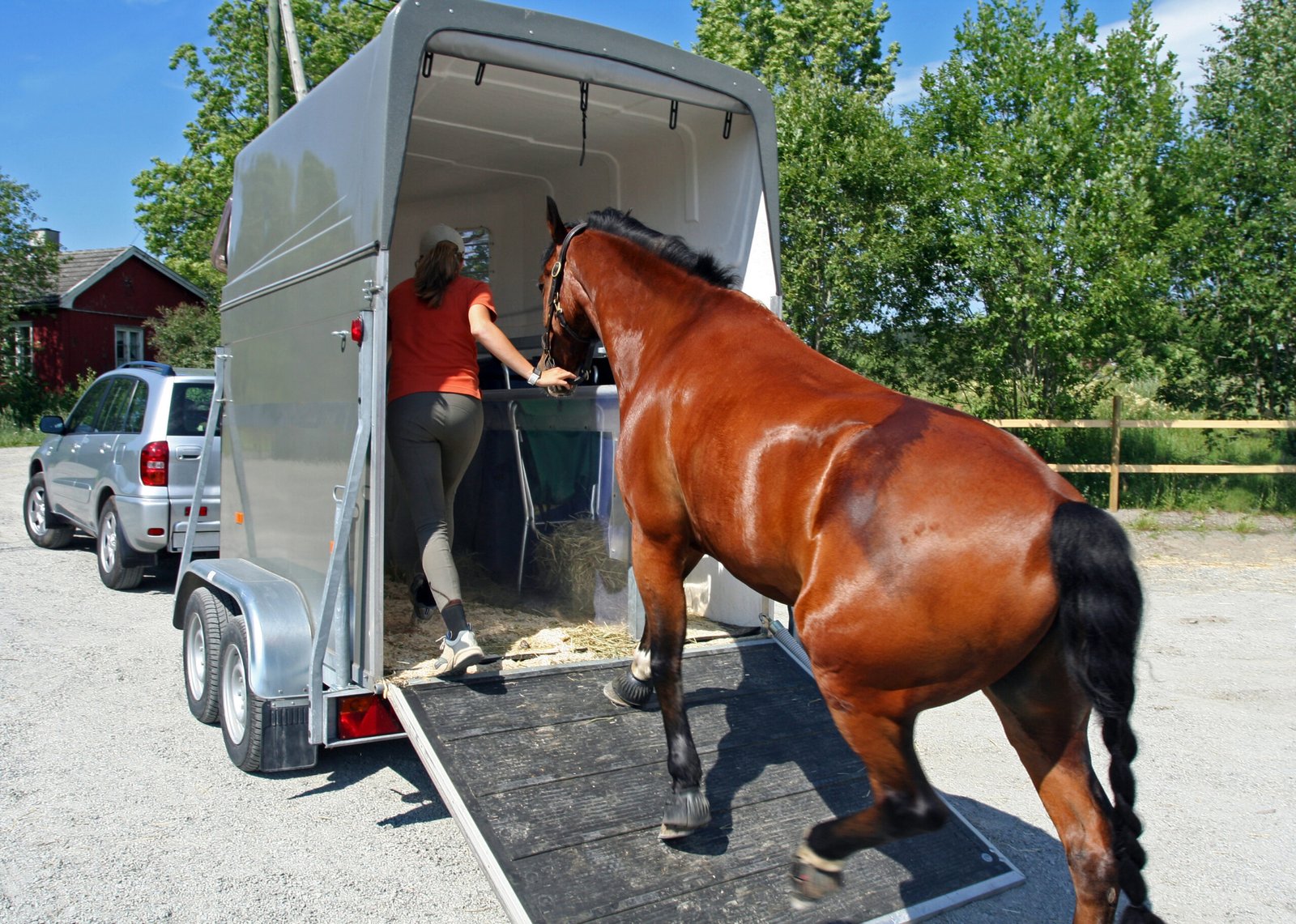
So, you’re heading out on the road this season with your horse friends. How wonderful! What a great way to gain experience, strengthen partnerships, and create special memories.

But even the most experienced show horses can be stressed by travel, particularly when it comes to their gut health – whether it’s transporting them to a local clinic or spending the summer on the show circuit.
For example, did you know that even balancing in a moving trailer can tire your horse out and lower his immunity to disease? Plus, difficult trailer mates, lack of grazing, changes in diet and unfamiliar environments can all cause stress. All of this can add up and lead to colic, ulcers and more if you don’t take preventative measures.
make a plan
Horses are creatures of habit, so it’s wise to stick to as much of a routine as possible while traveling, as this will reduce stress and maintain a healthy nutritional balance.
As you plan your trip, follow these proven guidelines to keep your horse happy, healthy and performing at his best.
- Avoid changes in your diet. New or unusual hay and feed can wreak havoc on your horse’s gut flora and increase the risk of digestive upset, so make sure you pack enough of your horse’s regular feed, forage and supplements to last the entire trip, plus a little extra just in case. Do you need to pre-ship these products to your destination? If so, arrange this before you travel. Feeding at usual times will also be beneficial.

- Keep the hay net full Keeping your horse calm and with a full stomach, whether in the trailer or at your destination, will help minimise the risk of him developing a stomach ulcer. If you have access to a safe pasture, make use of it. Allowing your horse to graze in a pasture for even 15-20 minutes is not only good for his digestive system, it also gives him the opportunity to relax mentally and physically. If you don’t have access to a fenced pasture, try hand-grazing with a lead shank as the next best thing.
- Encourages hydration. Dehydration can lead to intestinal blockage colic, which is especially a concern when traveling or experiencing extreme weather. If you can’t keep a bucket in front of your horse, offer him water as often as possible. If your horse tends to dislike unfamiliar water, bring a water pitcher from home or purchase a large plastic tank for this purpose. To encourage more water, try adding apple juice or molasses to new water. Adding powdered electrolyte supplements can also encourage your horse to drink more. (Offer both a bucket of water with electrolytes to quench thirst, and a bucket of plain water to quench thirst.)

- Maintains electrolyte levels. Even if your horse is drinking enough water, it is wise to keep electrolyte supplements on hand for use during the warmer months. This will help replenish those important minerals (such as sodium, potassium, magnesium and calcium) lost through sweating while traveling and competing. These minerals not only help regulate the body’s fluid balance but also aid in nutrient absorption. Electrolyte supplements come in powder, paste or pellet form and are sometimes combined with other nutrients for maximum benefit.
- Be proactive about your ulcers. Research suggests there may be an association between travel and stomach ulcers, especially if your horse is staying overnight in a new location. As you may already know, preventing ulcers starts with keeping your horse’s stress levels as low as possible. Also, talk to your veterinarian about treating your horse with prophylactic omeprazole before traveling. Your vet may also recommend bringing extra syringes of this targeted medication for long-distance trips.

- Enhances nutritional support. Using an oral paste containing both probiotics and prebiotics before and during transport can help support your horse’s digestive tract function. Why not add some tubes to the trunk of his harness? It’s also worth considering nutritional supplements that contain antioxidants such as Vitamin C. These are specially formulated to protect the body’s cells from the destruction caused by stress. For the ultimate in convenience, look for an oral paste that contains probiotics and prebiotics. and Vitamin C.
…and don’t forget:
As you prepare for your trip, it’s a good idea to have an emergency first aid kit for your horse that includes the following basic supplies:

- thermometer
- Vaseline
- 1-2 rolls of cotton sheets
- Bandage scissors
- 4″ x 4″ gauze pad
- Stretchy Veterinary Wrap
- Stethoscope
- Disposable latex or nitrile gloves
- Packing tape
- Antiseptic solution
- Wound ointment
- Vaccination and Coggins test records
- Contact details for your pet’s veterinarian and event veterinarian

Bonus Tip: Do you have the gear to protect your horse from bumps, scrapes and even road grime during transport? Consider stable sheets or blankets depending on the season, a padded head bumper and, of course, protection for your horse’s precious feet and legs.
Transport boots are a tried-and-true option that provides full limb protection. Look for boots with a durable outer, strike plate, hook-and-loop fastenings, and a Coolmax lining that wicks away moisture and prevents heat buildup. (On sweltering days, your horse will thank you.)
Now, start packing and get ready to go!

