

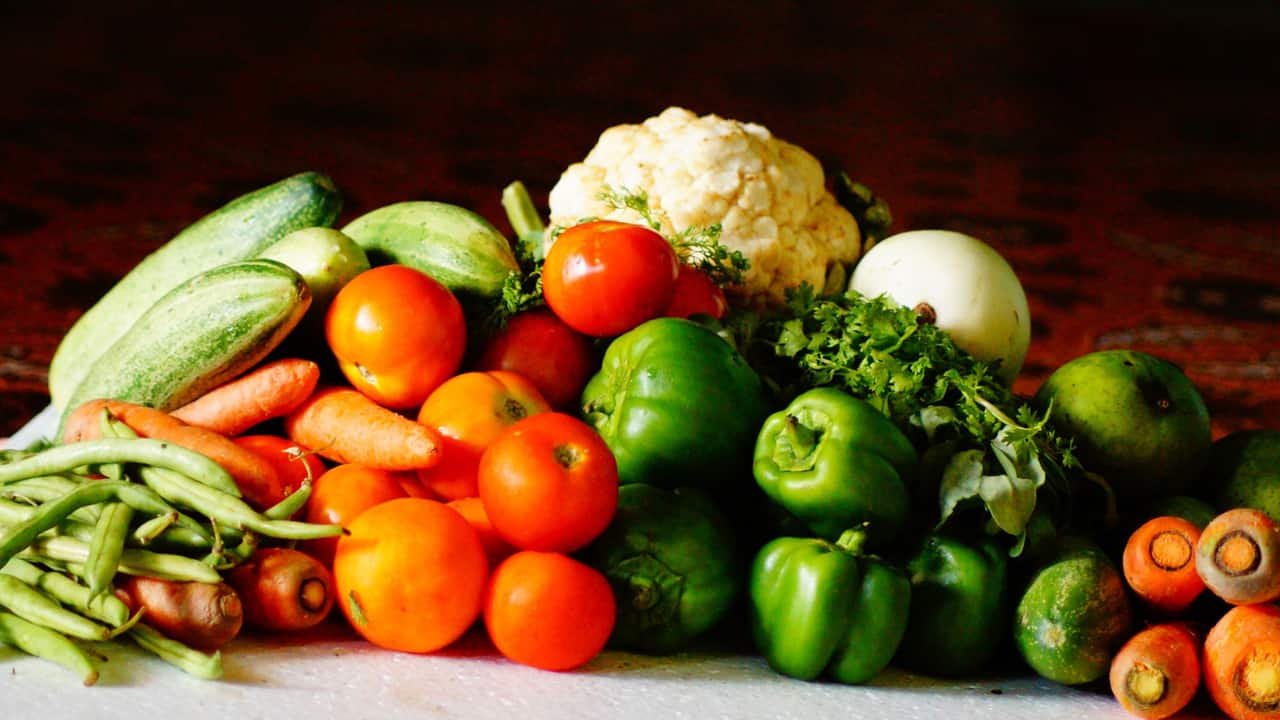
Boiling is often thought of as one of the simplest ways to prepare food. However, this humble cooking method can have a surprising effect on certain foods, especially vegetables, increasing their nutritional value to an incredible extent. For anyone wanting to maximize the health benefits they get from their diet, it’s crucial to know which foods become more nutritious when boiled. Here are six such vegetables (Image: Canva)
Carrots: Antioxidant Boost
Carrots are widely known for their high content of beta-carotene, which the body converts into vitamin A, which is essential for vision, immunity, and skin health. Boiling carrots significantly increases the beta-carotene content and improves the bioavailability of this nutrient. The heat breaks down the vegetable’s cell walls, making the beneficial compounds easier for the body to absorb. Additionally, boiling carrots whole before slicing helps retain more of their nutritional value and minimizes nutrient loss. (Image: Canva)
Tomato: Release of Lycopene
Tomatoes are another vegetable that benefit from boiling. They are rich in lycopene, a powerful antioxidant that has been linked to reducing the risk of cancer and heart disease. Boiling tomatoes increases the concentration of lycopene and improves its absorption. The heat process breaks down the cellular structure of tomatoes, releasing the lycopene so it’s more readily available to the body. This increased bioavailability means boiled tomatoes offer more powerful health benefits than raw tomatoes. (Image: Canva)
Spinach: Reduces oxalic acid
Spinach is rich in vitamins and minerals, including iron, calcium, and magnesium. However, raw spinach also contains oxalic acid, a compound that can hinder the absorption of these nutrients. Boiling spinach reduces the oxalic acid content and increases the availability of minerals. This process better preserves vitamins compared to other cooking methods such as frying or steaming. Therefore, by including boiled spinach in your diet, you can reap all of its nutritional benefits (Image: Canva)
Story continues below. Advertisement
Broccoli: Enhanced Sulforaphane
Broccoli is renowned for its cancer-fighting properties, and this benefit is mainly due to a compound called sulforaphane. Although steaming broccoli is often recommended to preserve its nutrients, boiling it helps promote the formation of sulforaphane. Boiling releases the enzyme myrosinase, which helps convert glucoraphanin to sulforaphane. To get the most out of this benefit, we recommend briefly and lightly boiling your broccoli, which helps keep it crisp and nutritious (Image: Canva)
Potatoes: A store of vitamin C
Potatoes are a staple in many diets due to their versatility and carbohydrate content. They’re also a great source of vitamin C, an essential nutrient that supports immune function and skin health. Surprisingly, boiling potatoes with their skin on retains a significant portion of their vitamin C content. The skin acts as a barrier to prevent nutrients from being lost during cooking, so boiled potatoes provide more vitamin C than other cooking methods like baking or frying, which can degrade vitamins at high temperatures. (Image: Canva)
Beetroot: Improves folate utilization
Beetroots are known for their vibrant color and high content of folate, a B vitamin that is essential for DNA synthesis and repair. Boiling beetroots breaks down their tough cell walls, making the folate more available and easier to absorb. Plus, boiling makes beetroot taste better and easier to digest, further encouraging consumption of this nutrient-rich vegetable. Boiled beetroot also adds a nutritional boost to salads, soups and side dishes. (Image: Canva)
Get the latest Business news, Sensex, Nifty updates, Get personal finance insights, tax queries and expert opinions on Moneycontrol or download the Moneycontrol app for updated updates.
