

In the ’90s, picking up a box of mac and cheese was easy. Kraft ReignedThough it wasn’t the only brand on the market, that blue box was synonymous with neon orange deliciousness.
Today, the mac and cheese market has changed dramatically. With established brands like Annie’s and Cabot Creamery competing with up-and-coming brands like Goodles, the choices are plentiful. Choosing a boxed mac and cheese today can be a little overwhelming. Which ones are healthy and delicious? We spoke to the experts to find out.
First, it’s important to remember that no matter how delicious boxed mac and cheese looks, it’s still an ultra-processed food. Kayla BusabaShe is a registered dietitian in Richmond, Virginia.
“We still use it,” she says. “My family is like, ‘Oh, you need to eat something,’ so add at least a little protein and hopefully some fiber. The reality is that sometimes it’s hard to avoid products that are tasty and generally affordable (for example, if you have kids or don’t have the energy to cook your own meals), but it’s all about balance.”
One way to boost the nutritional value of boxed mac and cheese is to add some veggies (spinach or frozen peas are great) or swap out the milk for plain yogurt (which also makes it creamier). Adding a protein like chicken or tuna will boost the nutritional value even more.
“The key is to look at the big picture: If you’re going to serve mac and cheese, you should serve it with other nutritious foods, like fruit,” the Charleston-based nutritionist said. Lauren Manaker“We don’t just want to eat mac and cheese all day every day.”
Here are some brands that registered dietitians and nutritionists recommend having in your cupboard.
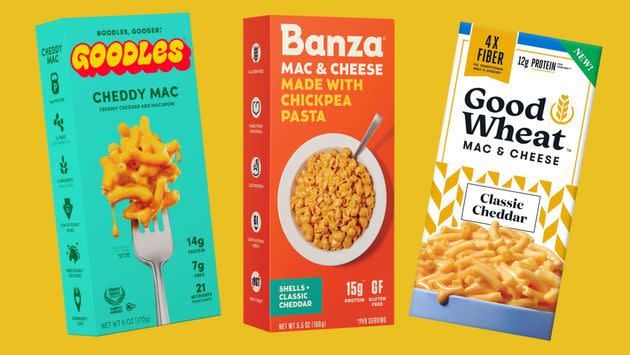
pasta: Flour with chickpea protein
Protein per cooked cup: 15 g
Fiber per 1 cooked cup: 7 grams
Amy Gershberg Clinical Dietitian at NYC Healthchooses this brand, which was founded in 2021. “Goodles uses chickpea protein in their noodles, so they’re high in protein, and they’re also high in fiber,” says Gershberg. “They help you feel fuller, which helps keep you from overeating.”
She also loves that the noodles contain nutrients derived from a variety of vegetables, including broccoli, spinach, kale and pumpkin. “It’s great if you can get those nutrients from food, but for picky eaters or people who have young children and might have trouble getting those nutrients, this is a great product,” Gershberg said.
pasta: Chickpeas
Protein per cooked cup: 16 g
Fiber per 1 cooked cup: 5 grams
Gershberg also gives high praise to Banza, a brand known for its chickpea flour pasta. Not only does she love the texture of the pasta in their mac and cheese, but she also likes other things about it. “I love that it adds protein and fiber, which I think is missing from a lot of other mac and cheeses,” Gershberg says, “especially in packaged foods.”
pasta: wheat
Protein per cooked cup: 12 g
Fiber per 1 cooked cup: 8 grams
Manaker, who has an 8-year-old child, is familiar with the various macaroni and cheese brands sold at grocery stores. Her daughter loves Annie’s, but Manaker prefers the high-fiber variety. Good WheatPasta made from specially grown semolina flour Wheat varietiesand she appreciates its protein content. “My daughter doesn’t eat a lot of meat, so that appeals to me. I also like that it has eight grams of fiber, which seems to keep her going and keeps her from wanting a huge bedtime snack,” Manaker told Huffington Post. “My daughter doesn’t eat beans or chickpea pasta as much as I’d like; she just doesn’t, so this is a good option that tastes a lot like Kraft or Annie’s and is nutritious and keeps her satisfied.”
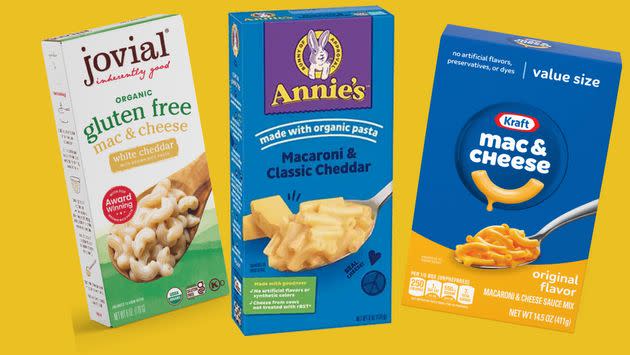
pasta: brown rice
Protein per cooked cup: 9 grams
Fiber per 1 cooked cup: 2 grams
Boubasa recommended Jovial to people who are put off by the texture of chickpea pasta but are looking for a gluten-free option. “I found that some kids don’t necessarily like chickpea pasta, but this pasta had a great texture for being gluten-free,” she said. “It’s not too sticky.” Boubasa also found Jovial’s cheese blend to be fairly simple, which made it more palatable in her eyes.
pasta: wheat
Protein per cooked cup: 9 grams
Fiber per 1 cooked cup: 3 grams
I am a single mother with three daughters and a registered dietitian. Marina Malkani Malkani is well aware of the convenience of boxed macaroni and cheese. “My daughters love the rich cheesy taste of Annie’s White Cheddar, and I love that the brand offers a whole-grain macaroni option that’s high in fiber and protein to keep them full and energized longer,” Malkani told Huffington Post. But when she serves up Annie’s, it’s not the only thing on the table. “I also pair it with baked chicken and veggies as a side dish for dinner, or add beans and carrots to pack in their lunches to take to school,” Malkani added.
pasta: wheat
Protein per cooked cup: 9 grams
Fiber per 1 cooked cup: 2 grams
Are you surprised to see Kraft on the list of nutritionist-approved macaroni and cheese? As Gershberg points out, most of the “healthier” macaroni and cheese brands are expensive. That’s why he wants people to know that if Kraft is the best macaroni and cheese you can get, there’s absolutely nothing wrong with it. “There’s nothing wrong with Kraft or basic macaroni and cheese. Instead of eliminating those things, you have to think about what you can add to them. So if you can add protein, if you can add fiber with vegetables, other proteins, whatever, anything can be part of a balanced diet,” Gershberg says.
