

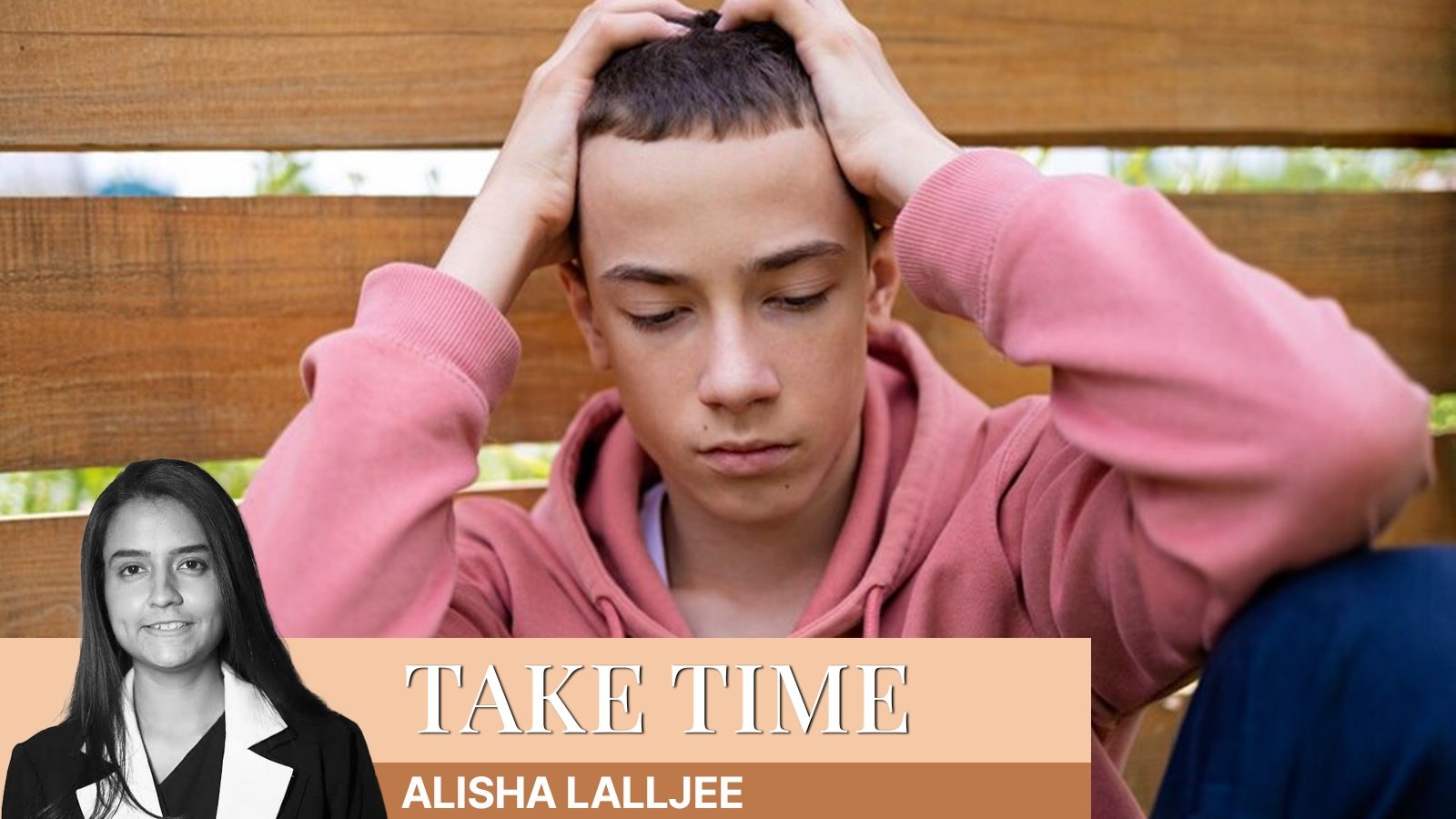
When we think of adolescence and young adulthood, we often think of “easy” times. It’s easy for parents to think that our teens are living a carefree life and don’t have a care in the world. Unfortunately, this is not always the case. Mental health disorders are becoming increasingly common among teens, and COVID-19 is contributing to that trend. In fact, during the first eight months of the pandemic, mental health emergencies among 12- to 17-year-olds increased by 30%. As a parent, it is important to be aware of potential mental health disorders. It’s also comforting to know that you’re not alone. Statistics show that mental health disorders are more common among adolescents, with more than one in six adolescents (ages 6 to 17) experiencing a mental illness each year. Below, we outline some of the more common mental health disorders among teens and young adults so that you can be educated and better support your teen.
Anxiety disorders are the most prevalent mental health disorders among today’s youth. The World Health Organization reported that 4 percent of 10- to 14-year-olds and 5 percent of 15- to 19-year-olds experience anxiety disorders. Most people develop symptoms of anxiety disorders by the age of 21.


Anxiety disorders are more than just isolated feelings of anxiety; they affect your daily life. They are characterized by persistent and excessive fear and worry, even in non-threatening situations. For teenagers, anxiety can manifest as:
- constant feelings of anxiety or fear
- restlessness and irritability
- Anticipating the worst possible outcome
- palpitations and shortness of breath
- Upset stomach and fatigue
- Insomnia or frequent sleep disturbances
- nervous feeling
There are many different types of anxiety disorders, so if you suspect your teen may have this mental health condition, it’s important to talk to your doctor. Anxiety disorders may fall into the categories of phobias, panic disorder, social anxiety disorder, or generalized anxiety disorder. For any of the above, we recommend professional treatment, especially for teenagers. Teens’ brains are still developing, so it’s important to treat mental health conditions as early as possible.
depression
Depression is the second most common mental illness among adolescents, affecting 3% of 15- to 19-year-olds worldwide.


Depression is a disorder of severe and recurrent negative mood changes, thought processes, and motivation. Teens and young adults who struggle with depression often feel hopeless, lonely, and lacking energy and motivation. Common signs of depression are:
- Changes in sleep or appetite
- lack of concentration
- loss of energy and motivation
- Lack of interest in activities or friendships
- despair
- body aches, pains and common illnesses
- suicidal thoughts
Depression can affect adolescents’ school attendance, relationships, and general performance. Especially in recent years, due to the coronavirus pandemic, social withdrawal can create isolation and worsen symptoms of depression in teens. It’s important for parents to manage symptoms of depression and help their teen see a professional. If left untreated, depression can persist into adulthood and lead to problems such as substance abuse and suicidal thoughts.


attention deficit hyperactivity disorder
Attention Deficit Hyperactivity Disorder (ADHD) is very common among adolescents and is usually detected early because the condition affects learning and behavior. Currently, it is estimated that almost 9% of children between the ages of 4 and 17 are facing ADHD. These children have difficulty paying attention, are easily distracted, and may exhibit hyperactive and/or impulsive behavior.
Common signs of ADHD in children and teens include:
- Jumping from activity to activity
- I get bored with work easily
- Difficulty concentrating on tasks or paying attention to others
- Difficulty completing school assignments
- Difficulty processing information quickly
- Difficulty sitting still for a period of time
- touch and play with everything
- act without thinking about the consequences
- Talking too much or interrupting others
ADHD affects a child’s ability to learn and often requires creativity in the classroom and home environment. Therefore, recognizing and treating this disorder is essential to a teen’s future success. Additionally, it’s important for parents to know that approximately two-thirds of children with ADHD also face another medical condition. These may include learning disabilities, conduct disorders, or another mental health condition such as anxiety or depression. Integrated dual diagnosis treatment is recommended for people with co-occurring mental illnesses or multiple mental illnesses.
eating disorder
According to the National Alliance on Mental Illness, eating disorders are “much more common” in teens and early 20s. It is important to recognize that girls and young women are more likely to suffer from eating disorders, but boys and men often go undiagnosed.
There are many different types of eating disorders, some of the most common being anorexia nervosa, bulimia nervosa, and bulimia nervosa. Anorexia is characterized by self-starvation in order to lose weight. Teens who suffer from anorexia often deny hunger, refuse to eat, and exercise until they are exhausted. They may also practice purging, which is common in people with bulimia. Bulimia is manifested by eating very large amounts of food and forcing yourself to vomit to get rid of the caloric intake. Bulimia nervosa (BED), on the other hand, refers to excessive eating of large amounts over a short period of time, leading to feelings of self-loathing, depression, and shame. People with BED don’t purge like people with bulimia do.
Eating disorders involve abnormal eating behaviors that, depending on the specific disorder, can put you at risk for nutritional deficiencies, obesity, and premature death.
substance use disorder
Adolescence is a time of increased risk-taking, and is often the first time teens try drugs or alcohol. Unfortunately, however, this is not necessarily a stage or an experiment. Many teens and young adults become addicted to drugs and alcohol and develop substance use disorders.
There are different types of substance use disorders, depending on the drug a person chooses. Symptoms of substance use disorders can also overlap with other mental health disorders. However, common signs of substance use disorder in teens include:
- Withdrawal from family and friends
- sudden change in behavior
- Engaging in more dangerous activities such as sex, fighting, and drunk driving
- Develop a high tolerance to drugs and alcohol
- Experiencing withdrawal symptoms when not drunk or high
- Feeling that you need a substance to function properly
It’s important for parents to know that substance use and mental health disorders, such as depression and anxiety, often co-exist.This is called a co-occurring disorder.
