

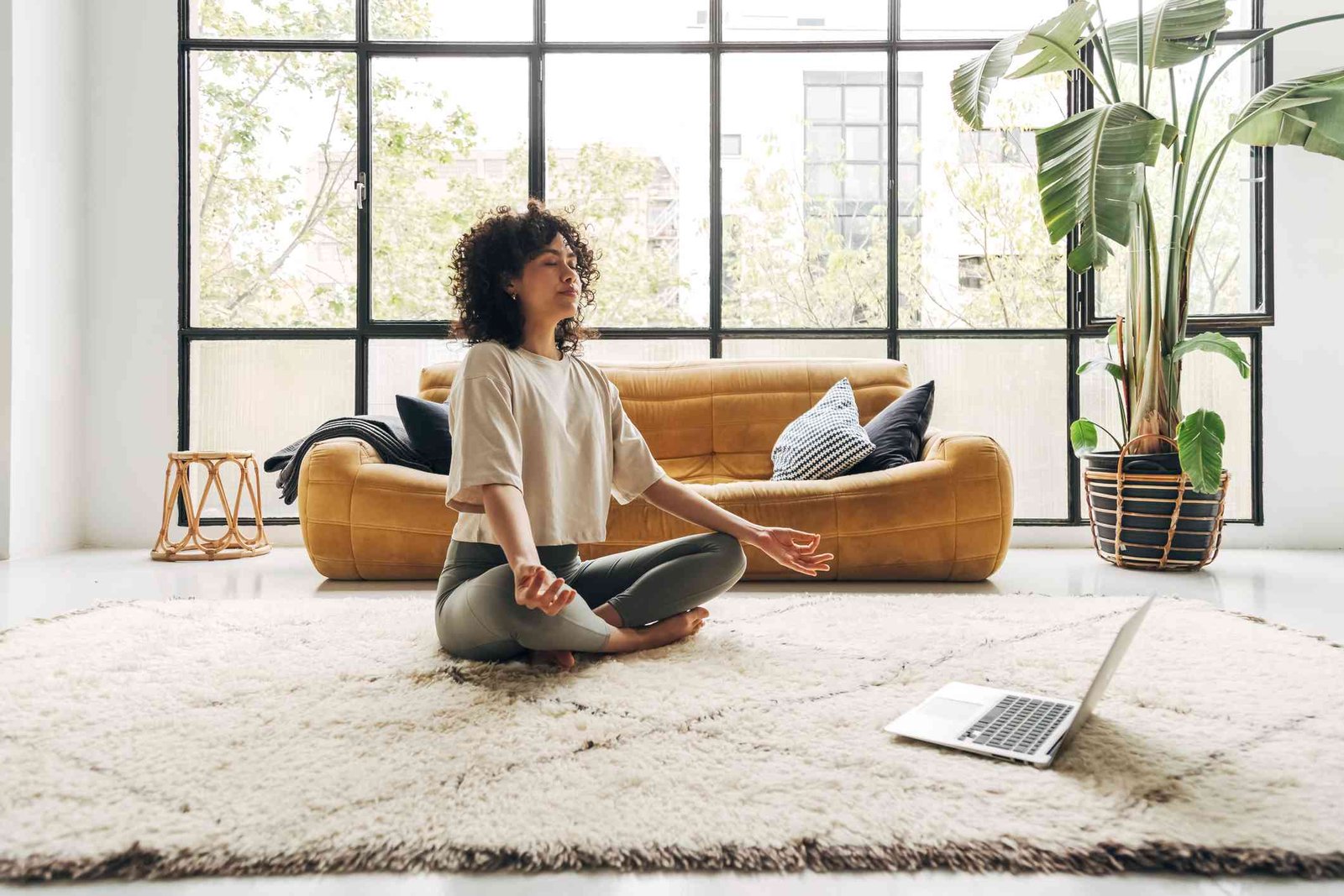
Meditation is the practice of focusing and clearing your thoughts for a period of time for spiritual or relaxation purposes. Meditation has become mainstream as a useful tool for prioritizing mental health, as it can calm and refocus your thoughts to reduce stress and improve mindfulness.
Here are some research-backed ways meditation can improve your health.
Reducing stress is often a primary goal of meditation. When we feel stressed, our bodies go into fight-or-flight mode and produce an increased amount of the hormone cortisol in response to stress. However, research has shown that people who meditate can lower their cortisol levels.
Research suggests that meditating can make people more relaxed, and a 2017 study of stressed college students found that mindfulness-based stress reduction (MBSR), which combines mindfulness meditation and yoga, helped reduce anxiety and stress. Additionally, an eight-week study found that people who used a mindfulness meditation app were more successful in reducing work-related stress than those who did not meditate.
Similar to its effects on stress, meditation can also help manage anxiety symptoms: A study of over 3,000 participants found that practicing mindfulness meditation helped reduce severe anxiety in cancer patients.
A small study also found that women who practice meditation, such as yoga, experienced reduced symptoms of anxiety and depression. Another eight-week study found that mindfulness meditation helped minimize anxiety symptoms in patients with generalized anxiety disorder.
Meditation can also be a tool to help people suffering from depression. Studies on depression treatment have found that mindfulness meditation has a small to moderate effect in improving symptoms of depression. However, meditation is not an adequate substitute for other treatments. Research has also shown that people with depression who meditate experience fewer symptoms of depression than those who don’t meditate.
Meditation may help reduce symptoms of depression because it acts on inflammatory chemicals. When we feel stressed, our body releases cytokines, which can change our mood and ultimately lead to depression. Research shows that meditation can help reduce levels of cytokines, reducing symptoms of depression.
Stress, nighttime anxiety, and depression all make it harder to sleep and increase your risk of developing a mood disorder. Meditation can help reduce stress and anxiety as well as improve your sleep. A 2019 review found that meditation can help improve sleep quality in people who don’t get enough sleep. Additionally, a small study in participants with insomnia found that mindful meditation slightly improved wake times and sleep quality.
Studies have shown that mindfulness-based meditation therapy can help people sleep longer and improve insomnia symptoms compared to non-meditators. Additionally, researchers have found that people who practice mindfulness-based therapy for insomnia are more likely to experience remission or improvement in their symptoms after six months.
Because meditation promotes mindfulness, it can also help increase self-love and positive thinking. Studies have shown that people who practice meditation have less negative thoughts when presented with negative images.
Another review of 22 studies found that people who meditated reported being more compassionate towards others and themselves. But a small study of 100 adults found that devoting more time to weekly loving-kindness meditation sessions was effective in increasing positive emotions.
Meditation can force you to look deeply into yourself, which may help you become more mindful of yourself and your interactions with others. A 2018 study of people practicing tai chi, a more physical form of meditation, found that it made them feel more confident in their abilities and overcoming challenges.
Meditation can also help you recognize self-destructive or catastrophic thoughts and learn how to make your thoughts more constructive. Additionally, research has shown that mindfulness meditation can also help foster creative problem-solving.
If you need to concentrate at work or school, meditation can help you clear your mind and focus on the task at hand. Studies have shown that even people who have never meditated before can improve their focus and attention after just a 10-minute meditation session.
A review of mindfulness-based programs in K-12 schools also found that mindfulness practices can make students more alert and productive by focusing on their breathing and learning how to calm agitated thoughts.
Meditation can also help you become more mindful about your eating habits, which may help you manage eating disorders: A 2017 review found that meditation can help overweight and obese adults manage eating behaviors, anxiety, and depression symptoms.
Other studies have found that mindfulness programs can help people manage emotional, binge eating, and inhibited eating behaviors.
Although research is limited, meditation may help in recovery from substance use disorders. A 2018 review found that when mindfulness-based practices were used in conjunction with other substance use disorder treatments, they significantly reduced craving levels. These mindfulness-based practices also helped participants avoid future substance use.
Another review found that behavioral therapy and health education were more effective at treating drug use relapse than mindfulness-based relapse prevention (MBRP), but MBRP helped significantly reduce withdrawal symptoms and cravings in people with alcohol use disorder.
While researchers are still figuring out exactly how meditation affects brain chemistry, studies have shown that it triggers several bodily functions that may help strengthen the immune system.
Cytokines, inflammatory response chemicals triggered by stress, can also cause the immune system to attack itself, causing illness and increasing the risk of autoimmune diseases. Meditation helps reduce the stress response, which may help prevent the negative effects of cytokines on health. Another small study Translational Psychiatry Those who meditated showed positive changes in genes related to wound healing, inflammation, and fighting viral infections.
The effects of meditation on pain have been widely studied and appear to be an effective means of reducing pain. The reasons why meditation relieves pain are still up for debate, but it may have to do with how stress and mindset can increase pain perception.
A 2020 report found that mindfulness-based stress reduction can reduce chronic pain. Another study found that people who meditated felt less pain and were better able to cope with it than people with similar pain.
High blood pressure makes the heart work harder and increases the risk of heart attack and stroke, and researchers theorize that meditation may help lower blood pressure by relaxing the nerve signals that cause blood vessels to tense and the heart to work harder.
A 2020 review found that practicing mindfulness-based stress reduction can help lower blood pressure in people with diabetes, high blood pressure, or cancer. Other studies have found that the Transcendental Meditation technique is effective in lowering blood pressure in older adults and people with high blood pressure. However, the American Heart Association points out that while meditation may be beneficial for heart health, it’s not clear how specifically it affects blood pressure.
Meditation may help people with age-related memory loss improve their clarity and focus: Researchers have found that a meditation mantra technique called kirtan krya can help people with age-related memory loss perform better on tests. Meditation also improves memory, attention, and quick thinking in older adults.
Meditation may improve memory loss by altering the ratio of amyloid beta protein, which is associated with dementia, in the body. Still, more research is needed to fully understand how meditation affects the brain and memory.
Meditation can benefit your mental and physical health by reducing stress and anxiety and improving sleep. Luckily, meditation is very accessible and can even be free. If you’re new to meditation, using a meditation app or trying yoga can be a good starting point.
