


Revamped and hated
Over the years, some of the world’s leading food companies have changed their recipes to attract more customers. While the changes were often made with seemingly noble intentions, they often caused significant backlash from loyal customers. Whether motivated by cost-cutting measures, health concerns, or a commitment to innovation, these decisions often resulted in widespread backlash and disappointment.
Here are 10 big-name brands that have strayed from their original recipes, much to the confusion of their customers.
1. Coca-Cola
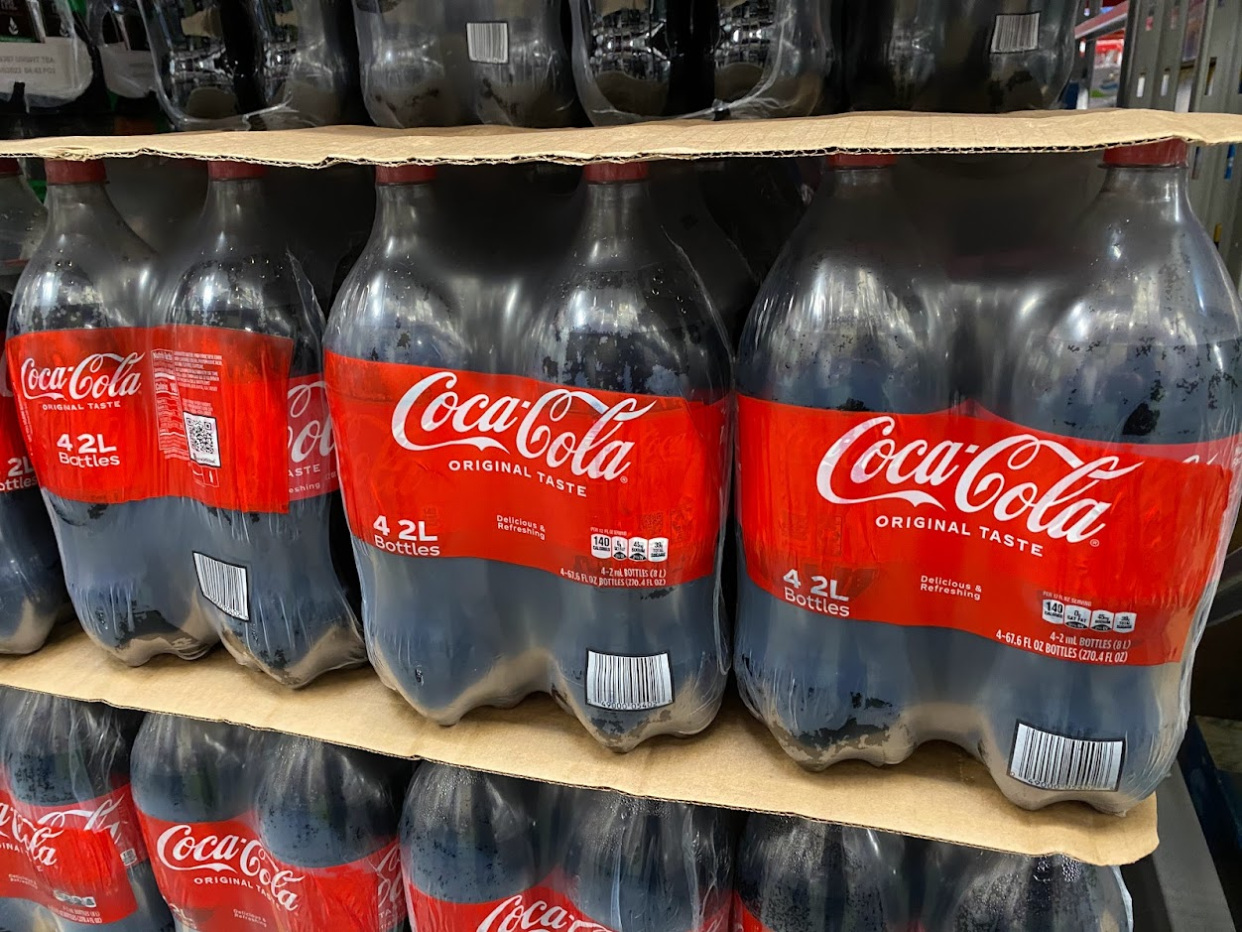
In 1985, Coca-Cola made the infamous decision to change the original recipe and launch “New Coke,” an improved version of the classic carbonated drink. However, the change was met with immediate and intense backlash, as loyal fans were not sold on the new taste. The outcry was so great that within just a few months, the company relaunched the original recipe as “Coca-Cola Classic.”
The pivot is considered one of the biggest marketing flops of all time, but it also reinforces the brand’s commitment to listening to and connecting with its customers.
2. McDonald’s French Fries
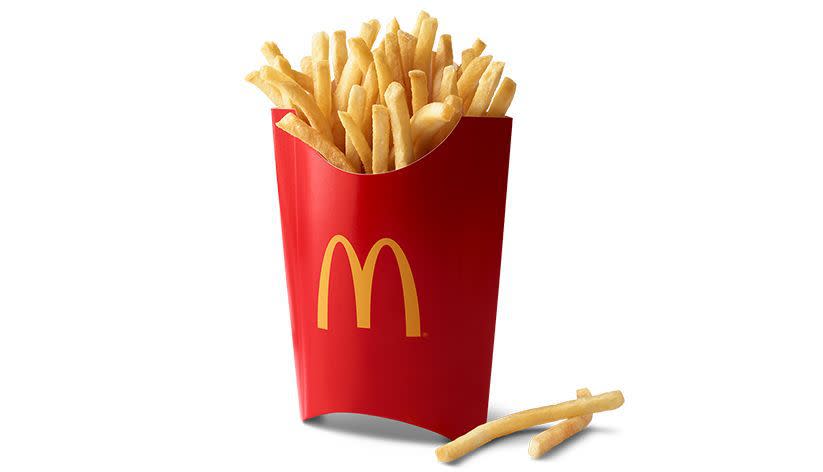
In 1992, McDonald’s changed the recipe for its popular fries, switching from beef tallow to vegetable oil. The change was reportedly made in response to health concerns over saturated fat, but many customers were disappointed with the new taste. Despite being a healthier alternative, the new fries were criticized for lacking the richness and crispiness that the original fries were famous for.
Related: Amazing things you didn’t know about McDonald’s
3. Oreo
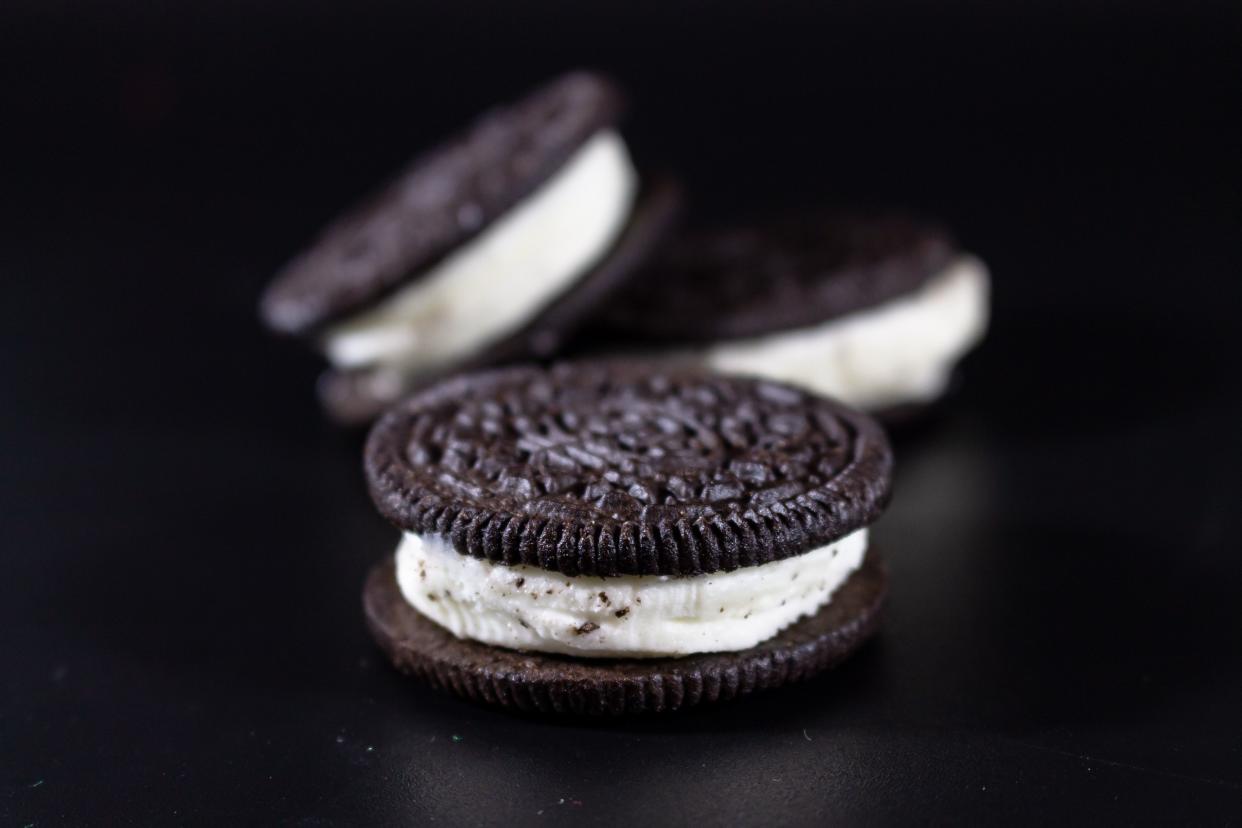
Nabisco’s iconic Oreo cookie faced backlash when the company decided to switch from lard to partially hydrogenated vegetable oil in 1997. The change was part of an effort to make the cookie healthier, but many fans felt it negatively affected the cookie’s taste and texture. The company continued to tweak the recipe over the years, but some purists still miss the original version.

4. Twinkies
In 2012, Hostess temporarily stopped producing Twinkies, causing widespread panic among fans of the classic snack. When the brand was reinstated in 2013, many consumers noticed that the recipe had been altered and the new Twinkies were smaller in size and had a different taste and texture. The changes were intended to improve shelf life and production efficiency, but they disappointed longtime fans.
Related: The best (and worst) fast food desserts

5. Domino’s Pizza
In 2009, Domino’s Pizza made the bold decision to completely overhaul its pizza recipe. The new version featured a different crust, sauce, and cheese mix, and was a direct response to widespread criticism of the pizza’s quality. While the revamp ultimately helped improve the company’s reputation and sales, it drew mixed initial reactions from long-time customers, some of whom wanted the original recipe to be reverted to.
Want to know more stories like this? Please sign up for our free newsletter.

6. Kraft Macaroni & Cheese
Kraft faced significant backlash when it announced it would be removing artificial colors from its original formula in 2015. The change was aimed at making the product healthier, but some fans were worried about how it would affect the taste and appearance of their beloved mac and cheese. Despite the company’s assurances, some customers claimed the new version tasted different and didn’t live up to their expectations.
Related: Pasta Pitfalls: 10 Pasta Mistakes You’re Probably Making
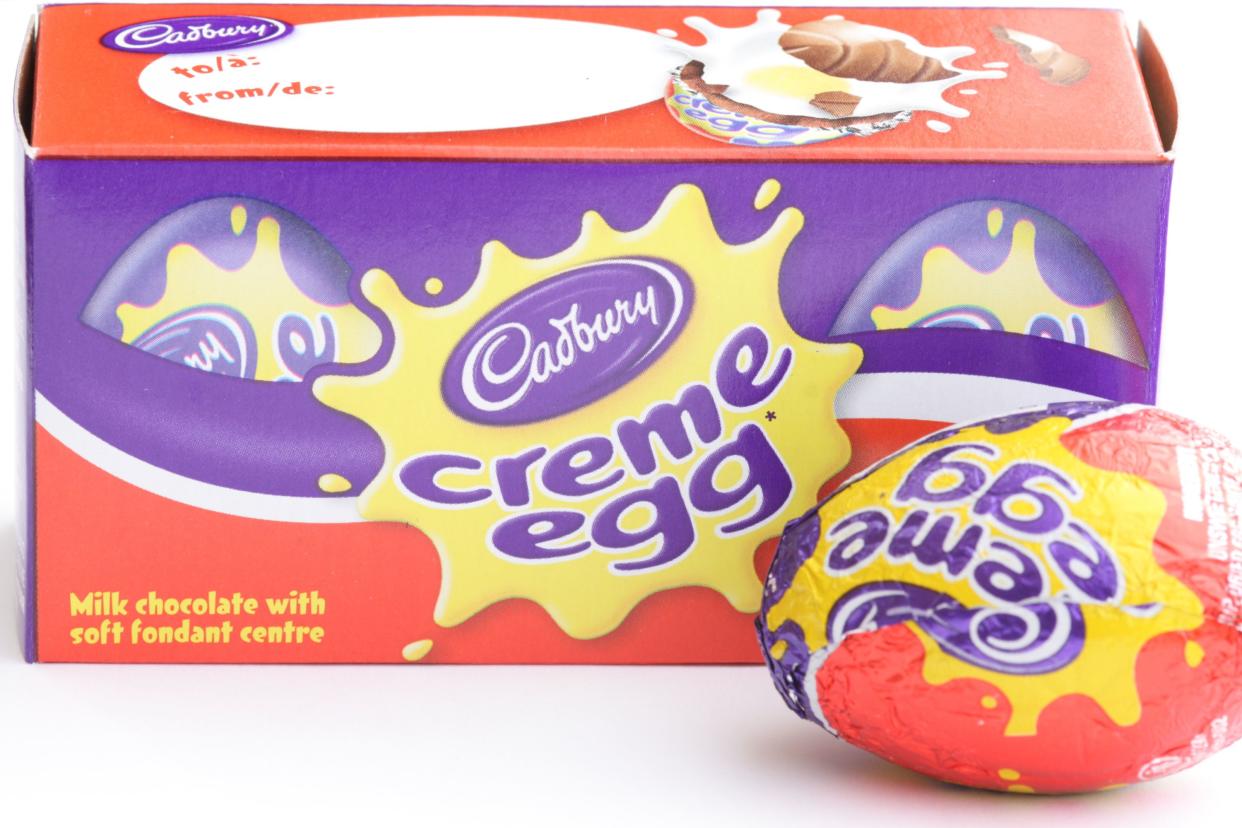
7. Cadbury Creme Egg
In 2015, Cadbury changed the recipe for its famous Creme Eggs, replacing the original dairy milk chocolate shell with a cheaper chocolate blend. The change sparked outrage at the UK-based company, where the snack is popular. Fans complained that the new version lacked the creamy, velvety texture and rich flavor of its predecessor. The change led to a significant drop in sales and customer satisfaction.
Related: 6 Traditional British Dishes Americans Are Missing

8. Pepsi
In 2010, PepsiCo introduced a new version of its classic soda called “Pepsi Throwback” that used real sugar instead of high fructose corn syrup. While some consumers welcomed the switch to a more natural sweetener, others felt that the new version did not recapture the same refreshing taste of the original Pepsi. The new version was initially marketed as a “limited edition,” but garnered a dedicated fanbase who wanted it to return permanently.
In 2023, Pepsi announced another recipe change, this time focused on cutting back on artificial ingredients and lowering sugar content.

9. Nutella
In 2017, Ferrero, the maker of Nutella, quietly changed the recipe for its popular hazelnut spread, increasing the amount of skim milk powder and reducing the amount of cocoa. But the change was quickly noticed by disgruntled fans, who took to social media to air their frustrations. Many claimed the new version was paler in color and had a different texture and flavor compared to the original.

10. Campbell’s Soup
Campbell’s made headlines in 2016 when it announced it would remove 10 artificial additives from its classic chicken noodle soup. The change was part of a broader effort to boost the nutritional value of the product, but some consumers felt the new recipe lacked flavor. The mixed reactions demonstrated how even small changes to a familiar product can elicit strong reactions from loyal customers.
This article was originally published on Cheapism
