

Dehydration is the medical term for when your body loses more water than it takes in. Many factors can cause dehydration, including excessive sweating, inadequate fluid intake, diarrhea, vomiting, and certain medical conditions.
Not drinking enough fluids during the day or making certain food choices can increase your risk of dehydration. Some foods and drinks contain high amounts of salt or ingredients such as caffeine that can increase fluid loss in the body and lead to dehydration. However, many foods and drinks are hydrating and can help you stay hydrated.
Fast foods like french fries, cheeseburgers, and fried chicken are very high in salt and can lead to dehydration if consumed in large quantities.
Consuming a lot of sodium from salty foods increases urine production because the increased sodium levels caused by high salt intake require the kidneys to produce more urine to keep blood sodium levels within normal ranges.
A study of 156 adolescents found that participants with higher salt intakes had greater total fluid intake but were less hydrated than those with lower salt intakes.
Most fast food products contain a lot of added salt. For example, a burger and fries from a fast food restaurant can contain more than half the Daily Value (DV) of sodium, which is set at less than 2,300 milligrams (mg) per day.
Alcohol acts as a diuretic, increasing urine production. Urinating more frequently increases fluid loss and puts you at risk for dehydration.
Alcohol can also lead to dehydration by affecting your alertness, judgment, and reducing your awareness of your body’s temperature. When your body is dehydrated, it starts to lose its ability to cool itself down by sweating. If you don’t realize your body is getting warmer, your body temperature can rise without you realizing it, making your dehydration worse.
Drinking small amounts of alcohol or sipping on low-alcohol drinks like beer is unlikely to cause dehydration, but drinking large amounts of alcohol or choosing very strong alcoholic drinks can.
When drinking alcoholic beverages, it’s important to limit your intake and stay hydrated by drinking water between cocktails.
Sugar isn’t typically thought of as a dehydrating substance, but studies have shown that many people are making themselves dehydrated by drinking sugary drinks instead of water.
Sugary drinks like soda can also cause fluid loss in the intestines, which can negatively impact kidney health. Hydration is essential because the kidneys control urine output. Research has shown that rehydrating with soda after strenuous exercise in the heat can damage the kidneys and lead to acute kidney injury.
Consumption of sugary drinks has also been linked to several health problems, including increased risk of high blood sugar and heart disease. Experts recommend limiting your daily intake of added sugars to less than 10% of your total daily calories.
Many energy drinks are very high in caffeine, which can cause excessive urination if consumed in large quantities, and they also tend to be high in added sugars.
Energy drinks slow the absorption of water in the digestive tract and increase urination, which can be especially harmful to people at high risk of dehydration, such as those exercising in hot environments.
Research has also shown that energy drinks can cause serious side effects, including anxiety, rapid or irregular heart rate, kidney damage which can lead to seizures and death.
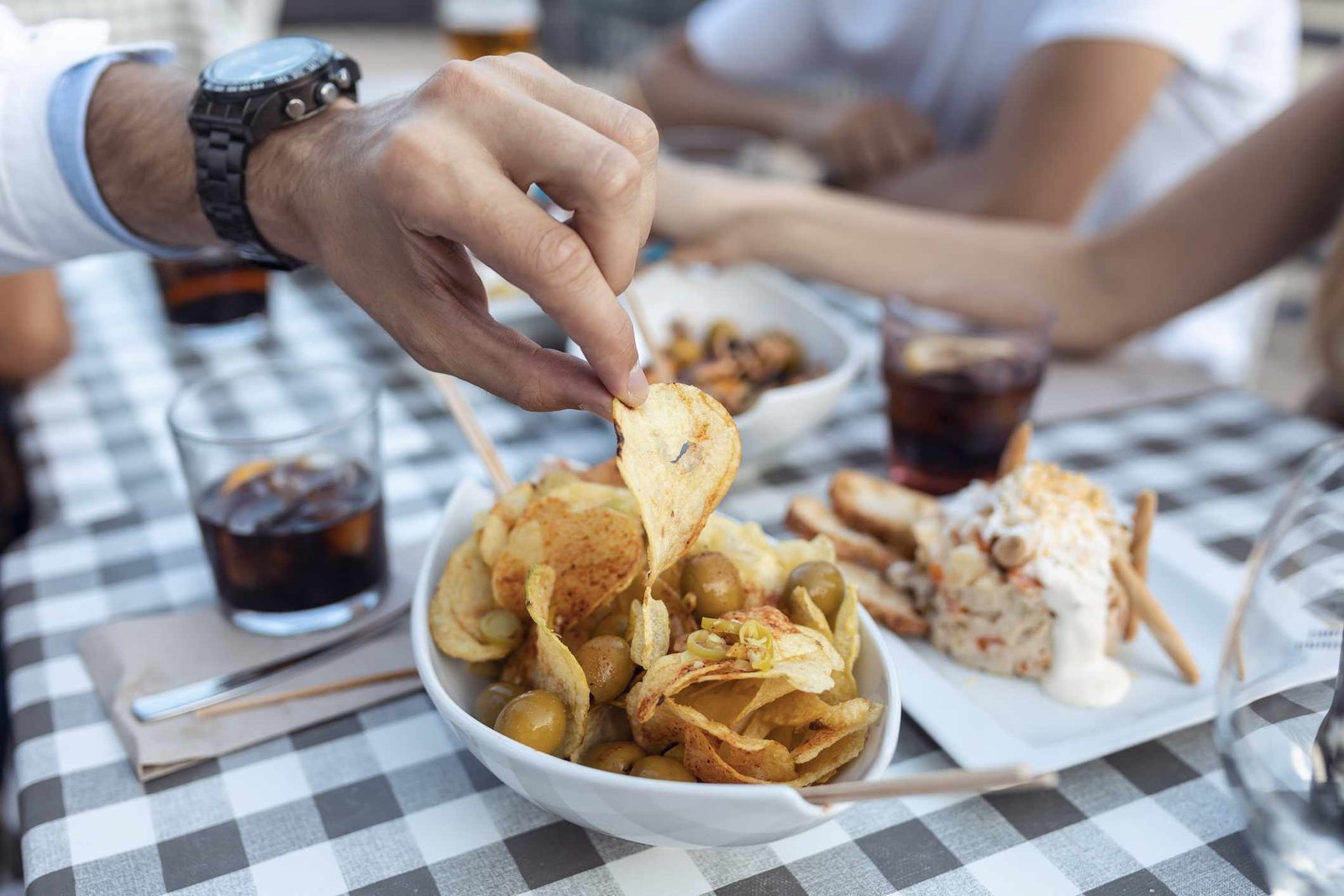
Savory snacks such as chips and pretzels are one of the leading sources of sodium in the American diet.
A diet high in salt can increase fluid loss through urine and lead to dehydration. Cutting back on salty foods like salty chips and pretzels and replacing salty snacks with hydrating foods like fruits and vegetables are simple and effective ways to support optimal hydration.
A recent study found that 15 foods account for more than 50% of the dietary sodium intake of American adults, with pizza coming in at the top of the list.
One slice of the chain’s pepperoni pizza contains 664 mg of sodium, or 28 percent of your recommended daily intake of sodium.
Frequently eating salty foods like pizza can increase your risk of becoming dehydrated. To reduce the salt content of your pizza, replace high-salt toppings like pepperoni, pancetta, and ham with toppings that have a higher moisture content, like fresh vegetables.
Processed meats like pepperoni, bacon, ham, hot dogs, and sausages are usually very high in sodium because salt is used to preserve and flavor them.
Eating too much processed meat can increase your salt intake and lead to inadequate hydration.
Additionally, excessive consumption of processed meats has been linked to a number of health conditions, including breast and colon cancer, which is why many experts recommend limiting your intake of processed meats.
Like fast food, takeaway foods like burritos, tacos, pasta dishes, and burgers can lead to dehydration by increasing your salt intake.
Takeaway foods like burritos are a major source of sodium in the diet and can contain a surprising amount of salt: A steak burrito from a chain restaurant, for example, contains 1,520 mg of sodium, which is 66% of the DV for sodium.
Regularly consuming foods high in salt can lead to poor hydration and increased risk of common health conditions such as high blood pressure and kidney disease.
Condiments such as salad dressings, ketchup, and soy sauce can be unexpected sources of sodium in your diet. This excess sodium can affect your ability to hydrate.
For example, one tablespoon of soy sauce contains 878 mg of sodium, which is 38% of the DV.
Try using low-sodium condiments like lemon juice, apple cider vinegar, or low-sodium dressings, or make your own at home using no-salt or low-sodium ingredients.
Caffeinated drinks like coffee and tea do not necessarily cause dehydration, but drinks that are highly caffeinated, such as very strong coffee, can increase urine production and lead to dehydration.
A small study in 10 healthy adults found that drinking high-caffeine coffee, containing 6 mg of caffeine per kilogram (kg) of body weight, resulted in significantly more urination after consumption compared to low-caffeine coffee, containing 3 mg of caffeine per kilogram (kg) of body weight.
Keep in mind that very high doses of caffeine were used in this study: 6 mg/kg of caffeine is the equivalent of 409 mg of caffeine for a 150 pound person, which is above the safe upper limit of 400 mg per day.
Very large doses of caffeine can increase urination and lead to greater fluid loss, but this side effect has not been reported with low to moderate doses of caffeine.
In addition to avoiding foods and drinks that can cause dehydration, it’s also important to choose hydrating foods that will help you maintain optimal hydration.
Here are some nutritious and hydrating foods to add to your diet:
- Melons such as honeydew melons and watermelons
- cucumber
- celery
- tomato
- Berries such as strawberries and blueberries
- pineapple
- Citrus fruits such as grapefruit and oranges
Fruits and vegetables are high in water, so increasing your intake of these foods is an effective way to increase your fluid intake. Additionally, a diet high in fruits and vegetables has been linked to a variety of other health benefits, including preventing the development of heart disease and certain cancers.
The best way to stay hydrated is to drink plenty of water. Up to 80% of the fluid you consume comes from liquids, so staying hydrated throughout the day is the most important factor in maintaining optimal hydration.
Your specific hydration needs will vary depending on factors like your activity level, weight, and where you live, but in general, it’s recommended that adult women drink 11.5 cups (2.7 liters) of water per day, and adult men drink 15 cups (3.7 liters).
To help meet your hydration needs, you can flavor your water with refreshing water additives like lemon juice, berries, and fresh herbs.
Maintaining optimal hydration is essential for health. Eating certain foods and drinking certain beverages can increase urination and affect your ability to maintain optimal fluid balance, leading to dehydration.
You can prevent dehydration by avoiding foods high in salt such as fast food, chips and pizza, and limiting your intake of alcoholic and caffeinated drinks.
In addition to limiting certain foods and drinks, you can maintain optimal hydration by eating plenty of hydrating foods, such as fruits and vegetables, and drinking plenty of water.
